


The Attention Economy: How to Win in Search When Everyone Is Competing
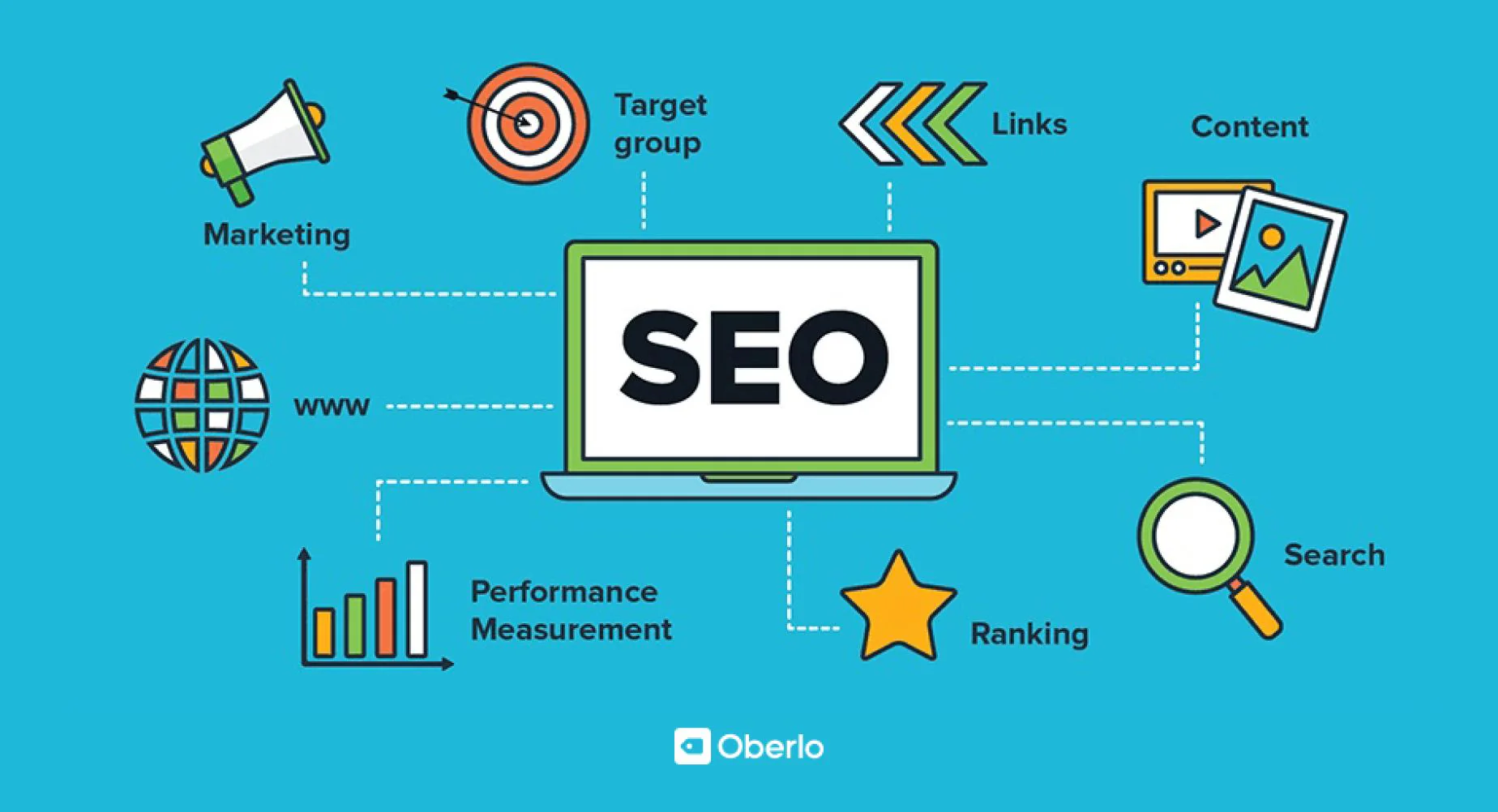
The digital world has entered a new phase where attention is the most valuable currency. In search engines, social platforms, and content ecosystems, millions of pages compete for the same limited resource: the user’s focus. This is the attention economy, and it has completely changed how SEO works.
It’s no longer enough to rank. It’s no longer enough to appear. You must earn attention in a matter of seconds—or risk being ignored completely.
The Real Competition in Search
When users type a query into a search engine, they are immediately presented with multiple options. Each result is competing not just for a click, but for attention.
This competition is intense because users don’t evaluate every result in detail. They scan, compare, and quickly decide what feels most relevant. If your content doesn’t immediately stand out, it gets skipped—even if it ranks well.
In the attention economy, visibility is only the starting point. Winning attention is the real challenge.
Why Attention Is Harder to Earn Than Traffic
Traffic used to be the main goal of SEO. But traffic is simply a byproduct of attention. Without capturing attention first, clicks will never follow.
Users today are overwhelmed with information. They are exposed to countless articles, ads, and snippets every day. As a result, their attention span has become shorter and more selective.
This means your content has to work harder. It must communicate value instantly, clearly, and confidently.
If it doesn’t, users move on.
First Impressions Decide Everything
In search results, first impressions happen before a user even clicks. Titles, descriptions, and even perceived relevance play a huge role in whether your content gets noticed.
A strong headline must do more than include keywords—it must signal value. It should tell the user, “This is exactly what you need.”
Similarly, meta descriptions and structured snippets should reinforce clarity and relevance. The goal is simple: make users stop scrolling and start considering your result.
Relevance Is the Attention Trigger
The fastest way to earn attention is through relevance. When users feel that your content directly addresses their need, they are far more likely to engage with it.
Relevance comes from understanding intent. What is the user trying to solve? What outcome are they expecting?
When your content aligns with that expectation, it naturally stands out in a crowded search environment.
Speed of Value Matters
In the attention economy, speed is everything. Users don’t want to “figure out” your content—they want instant clarity.
This is why the beginning of your content is critical. If users don’t see value within the first few seconds, they leave.
Strong SEO content gets to the point quickly. It answers the core question early and expands only after trust has been established.
Design and Structure Influence Attention
Attention is not just about words—it’s also about presentation. A well-structured page is easier to scan and more inviting to read.
Clear headings, short paragraphs, and logical flow help guide users through your content. This reduces friction and keeps attention focused.
If your page feels overwhelming or cluttered, users disengage quickly.
Engagement Is the New Ranking Signal
Search engines are increasingly paying attention to how users behave after clicking on a result. Do they stay on the page? Do they interact with the content? Do they return to search results quickly?
These engagement signals are powerful indicators of whether your content successfully captured attention.
High engagement tells search engines that your content is valuable. Low engagement suggests the opposite.
This means winning attention directly influences your rankings over time.
Competing on Value, Not Volume
In the attention economy, more content doesn’t guarantee more success. What matters is how effectively each piece of content captures and holds attention.
A single well-crafted page can outperform dozens of generic ones. This is because users respond to clarity, relevance, and usefulness—not quantity.
Winning SEO strategies focus on depth and precision rather than mass production.
Emotional Connection Plays a Role
Attention is not purely logical—it is also emotional. Users are more likely to engage with content that feels clear, confident, and helpful.
Even subtle factors like tone, phrasing, and structure can influence whether a user stays or leaves.
Content that feels human, direct, and trustworthy naturally performs better in competitive search environments.
The Long-Term Advantage of Attention-Focused SEO
Focusing on attention creates long-term benefits. Instead of chasing temporary rankings, you build content that consistently engages users.
Over time, this leads to stronger trust, better engagement metrics, and improved search performance.
It also makes your strategy more resilient. Even as algorithms change, content that captures attention will continue to perform well.
Final Thoughts
The attention economy has changed the rules of SEO. Visibility is no longer enough. Rankings are no longer enough. The real challenge is earning and holding attention.
In a world overflowing with content, the winners are not those who appear the most—but those who connect the fastest and deliver the most value in the shortest time.
Because in modern SEO, attention isn’t just important—it is everything
Read More Read More Read More Read More Read More Read More
Read More Read More Read More Read More Read More Read More
Read More Read More Read More Read More Read More Read More
Read More Read More Read More Read More Read More Read More
Read More Read More Read More Read More Read More Read More
Read More Read More Read More Read More Read More Read More
Read More Read More Read More Read More Read More Read More
Read More Read More Read More Read More Read More Read More
Read More Read More Read More Read More Read More Read More
Read More Read More Read More Read More Read More Read More
Read More Read More Read More Read More Read More Read More

 English
 Arabic
 Spanish
 Portuguese
 Deutsch
 Turkish
 Dutch
Dutch
 Italiano
 Russian
 Romaian
 Portuguese (Brazil)
 Greek
Greek