


How to Mix Mid-Century Modern Furniture with Other Design Styles Without Clashing
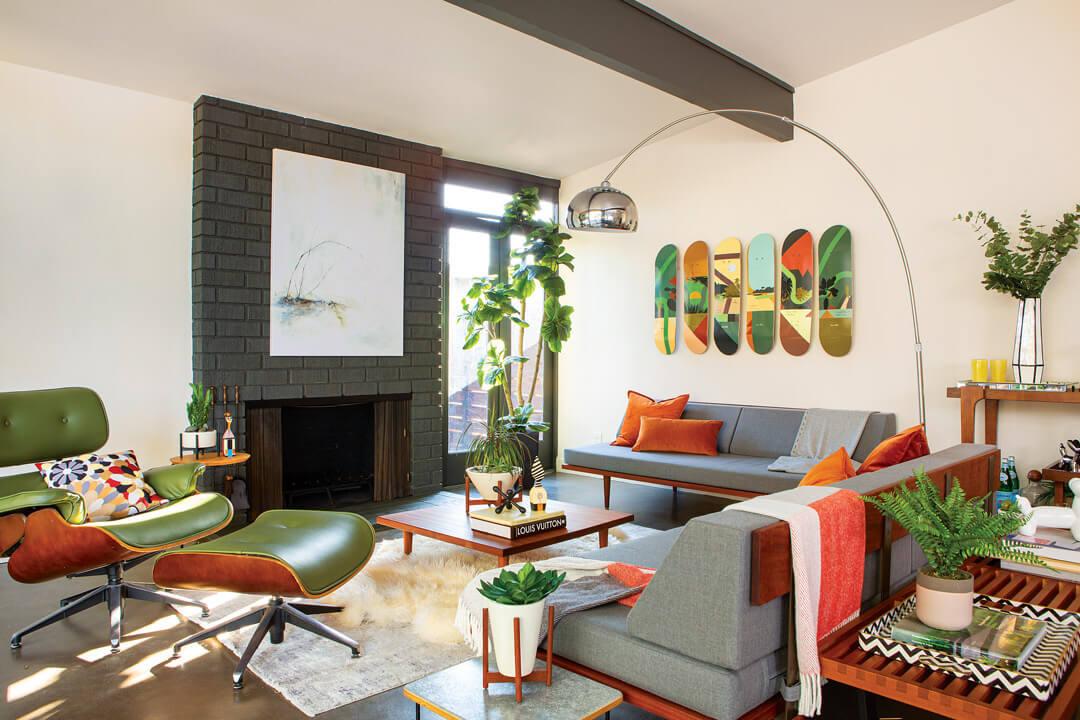
Interior design is all about creating a space that reflects personality, comfort, and functionality. While many homeowners love the timeless appeal of mid-century modern furniture, they often wonder how to combine it with other decorating styles without making the room feel mismatched. The good news is that this design style is naturally versatile and can blend beautifully with contemporary, traditional, industrial, Scandinavian, and even rustic interiors when balanced correctly.
The key to successful mixing is understanding the elements that make each style unique and finding common design connections between them. By focusing on color, materials, proportions, and visual balance, you can create a home that feels intentional rather than crowded. Whether you own a vintage chair, a classic wooden table, or a modern reproduction piece, thoughtful placement can help your furniture become part of a cohesive design story.
Understanding the Appeal of Mid-Century Modern Furniture
The style is recognized for clean lines, organic shapes, functional designs, and quality craftsmanship. Mid-century modern furniture became popular during the 1940s, 1950s, and 1960s because designers wanted to create pieces that combined practicality with artistic beauty. Instead of relying on heavy decoration, these pieces focus on simplicity, comfort, and the natural beauty of materials.
One reason this furniture style remains popular today is its ability to adapt to different environments. A sleek wooden lounge chair can look equally attractive in a minimalist apartment, a traditional home, or an industrial loft. The neutral shapes and timeless materials allow these pieces to complement many different aesthetics without overpowering the rest of the room.
Another advantage of mid-century design is its focus on balance. The furniture often features warm woods, soft curves, and practical forms that create a welcoming atmosphere. These qualities make it easier to combine with other styles because the designs provide a strong foundation while still allowing room for creativity and personal expression.
Start With a Clear Design Foundation
Before combining different styles, it is important to establish a clear foundation for your room. Mixing too many unrelated elements can make a space feel chaotic, so choose one primary style and allow other influences to act as supporting details. For example, you may create a contemporary room with mid-century accents or a traditional space featuring carefully selected modern furniture pieces.
A good starting point is identifying the mood you want your room to create. Do you prefer a warm and cozy atmosphere, a clean minimalist look, or a bold and artistic environment? Once you understand your goal, selecting complementary furniture and accessories becomes much easier. The right combination should feel connected rather than randomly collected.
When designing with mid-century modern decor consistency is essential. Repeating similar materials, colors, or shapes throughout the room helps different styles work together. A walnut coffee table, wooden shelving, and warm-toned artwork can create visual connections even when the overall design includes multiple influences.
Combining Mid-Century Modern Style With Contemporary Design
Contemporary interiors and mid-century pieces naturally work well together because both styles value simplicity and functionality. Contemporary design often focuses on open spaces, neutral colors, and clean architectural details, while mid-century pieces add warmth and character. The combination creates a modern home that feels comfortable rather than cold.
To achieve this look, avoid overcrowding the room with too many statement pieces. Instead, choose one or two recognizable mid-century items and allow them to stand out. A classic lounge chair, wooden sideboard, or sculptural lighting fixture can become a focal point without competing with contemporary elements.
Color coordination also plays an important role in this combination. Contemporary spaces often use whites, grays, and soft neutrals, which pair well with the natural wood finishes commonly found in mid-century modern furniture. Adding textured fabrics, plants, or artwork can further connect the two styles and create a balanced appearance.
Mixing Mid-Century Pieces With Traditional Interiors
Traditional design is known for elegance, detailed craftsmanship, and classic materials. At first, combining traditional décor with modern furniture may seem challenging, but the contrast can actually create a sophisticated and layered look. The secret is choosing pieces that share similar qualities, such as high-quality materials and timeless design.
For example, a mid-century wooden dining table can complement traditional architectural details like hardwood floors, classic molding, or vintage artwork. The clean lines of modern furniture can provide a refreshing contrast against more decorative surroundings. This creates a room that feels updated while maintaining its original charm.
When incorporating mid-century modern decor into a traditional home, focus on balance rather than complete transformation. You do not need to replace every classic item with modern alternatives. A few carefully chosen pieces can introduce a fresh perspective while preserving the character of the space.
Creating Harmony Between Mid-Century and Industrial Styles
Industrial interiors often feature exposed materials, metal accents, concrete surfaces, and unfinished textures. Although this style has a very different personality from mid-century design, the two can work together because both appreciate honest materials and functional forms. Wood and metal combinations are especially effective in creating a balanced industrial-modern atmosphere.
A walnut cabinet, leather chair, or wooden table can soften the harder appearance of industrial elements. Meanwhile, metal lighting fixtures or steel shelving can add contrast and prevent the room from feeling too traditional. This mixture creates depth and visual interest while maintaining a strong design identity.
The key to success is controlling the amount of contrast. Too many heavy industrial elements can overwhelm delicate mid-century pieces. Keeping a balance between warm natural materials and stronger architectural features helps create a comfortable and inviting environment.
Using Color and Texture to Connect Different Styles
Color is one of the easiest ways to unite different design styles. Even when furniture pieces come from different eras, a consistent color palette can make the entire room feel connected. Mid-century interiors often use earthy tones, natural wood shades, and occasional bold accents, which can blend well with many modern decorating approaches.
Textures also help create harmony between different furniture styles. Soft rugs, woven fabrics, leather upholstery, and natural materials can add warmth and create transitions between contrasting pieces. A room with multiple textures often feels more thoughtfully designed because each element contributes to the overall experience.
When choosing accessories for mid-century modern decor, consider items that support your existing furniture instead of competing with it. Simple artwork, geometric patterns, ceramic objects, and plants can enhance the space without distracting from the main design elements.
Common Mistakes to Avoid When Mixing Styles
One of the biggest mistakes homeowners make is combining too many statement pieces in one area. Every room needs visual breathing space, and placing multiple bold furniture items together can create confusion. Instead, allow certain pieces to stand out while others provide support.
Another common issue is ignoring scale and proportion. Furniture from different styles can clash if their sizes do not work together. A large traditional sofa may overpower a smaller mid-century chair, while oversized decorations can make simple furniture appear insignificant. Maintaining similar proportions helps the room feel balanced.
It is also important to avoid copying a showroom appearance too closely. A home should reflect the people living there, not look like a furniture catalog. Personal items, artwork, family pieces, and meaningful accessories can make a mixed-style interior feel authentic and comfortable.
Building a Timeless Home With Mixed Design Styles
The most successful interiors are those that evolve over time. Instead of following a single trend, many homeowners are choosing to combine different styles to create spaces that feel personal and lasting. Mid-century modern furniture provides a strong foundation because its classic designs continue to work with changing tastes and lifestyles.
Mixing styles requires patience and thoughtful decision-making. Rather than purchasing everything at once, gradually add pieces that complement your existing décor. This approach allows you to understand how each item affects the overall atmosphere of your home.
A well-designed space does not need every item to match perfectly. The goal is creating harmony through shared elements such as color, texture, craftsmanship, and proportion. When these details work together, different design influences can coexist beautifully.
Conclusion
Mixing mid-century modern furniture with other design styles is an effective way to create a unique and welcoming home. The combination of timeless shapes, natural materials, and functional designs allows mid-century pieces to adapt easily to many decorating approaches. Whether paired with contemporary, traditional, or industrial elements, these furnishings can add warmth and personality to any space.
By focusing on balance, color coordination, and thoughtful placement, you can enjoy the beauty of mid-century modern decor without creating visual conflict. The best interiors are not defined by one style but by the way different elements come together to tell a personal design story. With careful planning, your home can achieve a timeless look that feels both stylish and comfortable.

 English
 Arabic
 French
 Spanish
 Portuguese
 Deutsch
 Turkish
 Dutch
Dutch
 Italiano
 Romaian
 Portuguese (Brazil)
 Greek
Greek