


Neonatal Intensive Care Market to Reach $7.87 Billion by 2034
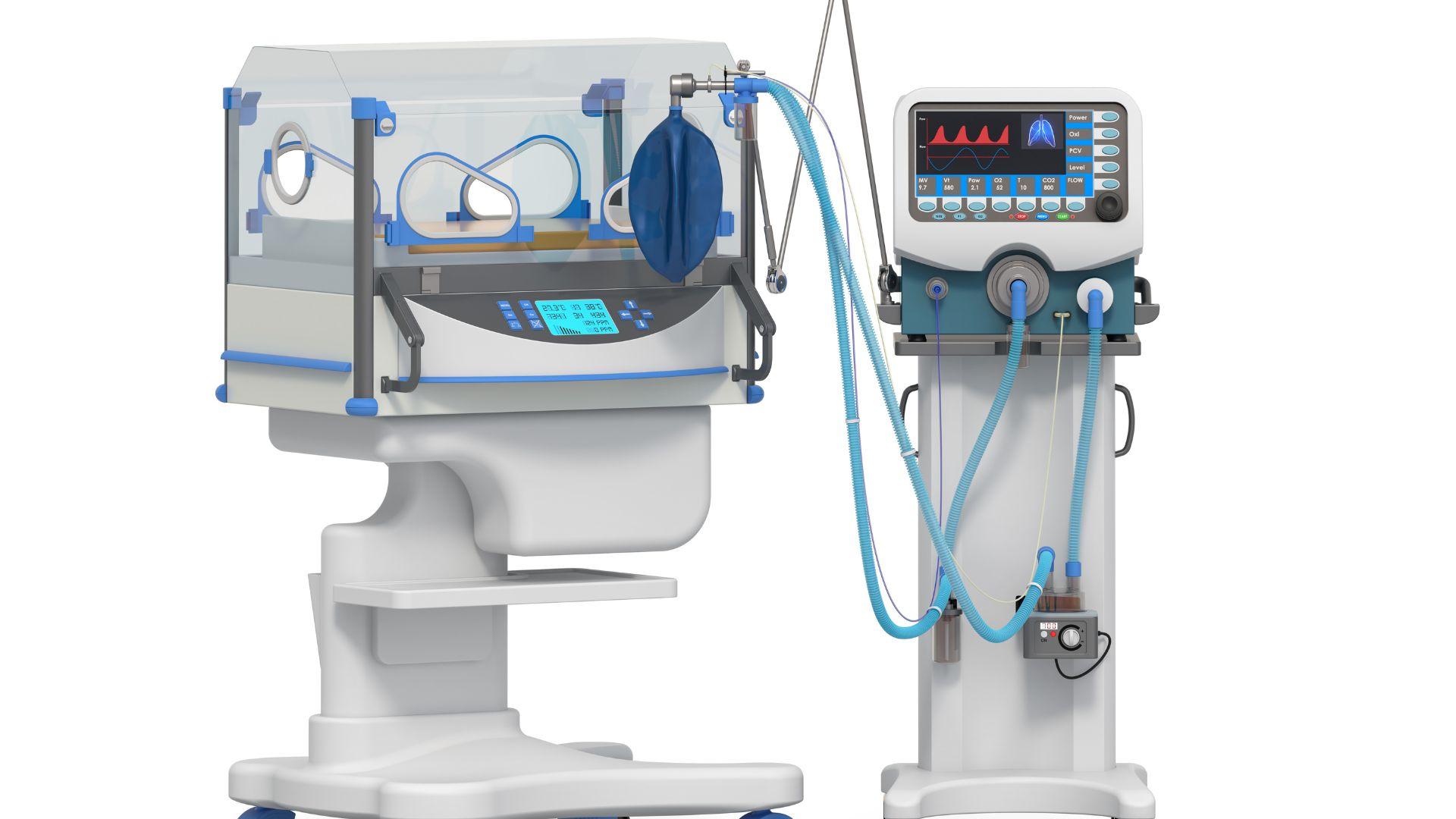
Neonatal Intensive Care Market Set for Strong Growth Through 2034
The global neonatal intensive care (NIC) market is witnessing a transformative phase, fueled by increasing preterm births, advancements in medical technology, and rising investments in healthcare infrastructure. According to insights from Renub Research, the market is expected to grow from US$ 4.27 billion in 2025 to US$ 7.87 billion by 2034, registering a compound annual growth rate (CAGR) of 7.03% during 2026–2034 .
This steady growth reflects a broader global emphasis on improving neonatal survival rates, strengthening maternal healthcare systems, and deploying advanced technologies within neonatal intensive care units (NICUs).
Download Free Sample Report: https://www.renub.com/request-sample-page.php?gturl=neonatal-intensive-care-market-p.php
Understanding Neonatal Intensive Care
Neonatal intensive care refers to specialized medical services provided to newborn infants who are premature, underweight, or suffering from severe health conditions such as congenital disorders or infections. These services are delivered in NICUs, which are equipped with advanced technologies including incubators, ventilators, cardiac monitors, infusion pumps, and diagnostic tools.
Highly trained professionals such as neonatologists, neonatal nurses, and respiratory therapists play a critical role in delivering this care. Over the years, NICUs have become increasingly sophisticated, enabling improved survival rates even for critically ill newborns.
Market Drivers Accelerating Growth
1. Rising Preterm Birth Rates
One of the most significant drivers of the neonatal intensive care market is the growing incidence of preterm births worldwide. Each year, approximately 15 million babies are born prematurely, making it a leading cause of mortality among children under five.
Several factors contribute to this rise, including:
- Increasing maternal age
- Lifestyle-related health issues
- Higher rates of multiple pregnancies due to assisted reproductive technologies
- Chronic conditions such as diabetes and hypertension
Premature infants often require immediate and prolonged NICU support, including respiratory assistance, thermal regulation, and continuous monitoring, thereby boosting demand for neonatal care services.
2. Technological Advancements in NICU Equipment
Rapid advancements in medical technology are reshaping neonatal care. Modern NICUs now feature:
- Smart incubators with precise temperature control
- Non-invasive ventilation systems
- Wireless monitoring devices
- Real-time data analytics for patient tracking
These innovations enhance treatment accuracy, reduce complications, and improve overall patient outcomes. The integration of digital technologies and automation has also streamlined clinical workflows, enabling healthcare providers to deliver more efficient care.
3. Increasing Healthcare Investments
Governments and private healthcare providers are significantly increasing investments in maternal and child healthcare infrastructure. This includes:
- Expansion of NICU facilities
- Upgrading existing equipment
- Training specialized healthcare professionals
Emerging economies are particularly focused on improving access to neonatal care services, while developed nations continue to invest in advanced technologies and research.
Additionally, the growing availability of health insurance coverage is encouraging more families to seek NICU services, further driving market growth.
Challenges Impacting Market Expansion
High Cost of NICU Services
Despite its growth, the neonatal intensive care market faces notable challenges. One of the primary concerns is the high cost associated with NICU treatments.
NICU care involves:
- Expensive medical equipment
- Specialized healthcare personnel
- Extended hospital stays
For families without adequate insurance coverage, these costs can become a significant financial burden. Moreover, hospitals face high capital investment requirements for setting up and maintaining NICUs.
Shortage of Skilled Professionals
Another major challenge is the global shortage of trained neonatal healthcare professionals. NICU care requires specialized expertise and continuous training.
The lack of skilled personnel can:
- Limit NICU capacity expansion
- Affect quality of care
- Slow down adoption of advanced technologies
Addressing this issue through education, training programs, and workforce development is crucial for sustaining market growth.
Segment Analysis: Key Areas of Growth
Neonatal Warmers
Neonatal warmers play a vital role in maintaining body temperature in premature and low-birth-weight infants. Advanced warmers now feature infrared heating and automated temperature regulation, reducing the risk of hypothermia.
Demand for these devices is increasing due to their critical role in improving neonatal survival rates.
Monitoring Devices
Monitoring devices are essential for tracking vital parameters such as heart rate, oxygen levels, and blood pressure. Innovations in sensor technology and wireless connectivity have enhanced the accuracy and comfort of these devices.
Real-time monitoring enables early detection of complications, allowing timely medical intervention.
Respiratory Devices
Respiratory distress is a common issue among premature infants, making respiratory devices a key segment in the NIC market.
Modern solutions include:
- Continuous Positive Airway Pressure (CPAP) systems
- Advanced ventilators
- Oxygen delivery systems
These devices are designed to provide gentle and effective respiratory support, minimizing the risk of lung injury.
Pediatric Clinics and Post-NICU Care
The scope of neonatal care extends beyond NICUs. Pediatric clinics and childcare centers are increasingly focusing on post-NICU care, including:
- Developmental monitoring
- Immunizations
- Chronic disease management
Telemedicine and digital health solutions are also improving access to follow-up care, ensuring better long-term outcomes for infants.
Regional Insights
United States
The United States remains a leading market due to its advanced healthcare infrastructure and strong focus on neonatal outcomes. The country has a high number of specialized NICUs equipped with cutting-edge technologies.
Ongoing investments and innovations continue to strengthen the market, supported by favorable reimbursement policies and a well-trained workforce.
United Kingdom
In the United Kingdom, the neonatal intensive care market benefits from a well-structured public healthcare system. Standardized NICU services and a strong emphasis on maternal health contribute to consistent growth.
Despite budgetary constraints, continuous investments in neonatal care infrastructure are expected to drive future expansion.
India
India is emerging as a rapidly growing market, driven by:
- High birth rates
- Increasing awareness of neonatal health
- Government initiatives to reduce infant mortality
Both public and private sectors are investing in NICU infrastructure, with a growing demand for cost-effective solutions tailored to large populations.
Saudi Arabia
Saudi Arabia is witnessing growth due to strong government support and investments in healthcare modernization. Advanced NICU facilities and increasing awareness about neonatal disorders are contributing to market expansion in the region.
Competitive Landscape
The neonatal intensive care market is highly competitive, with several global players driving innovation and technological advancements. Key companies include:
- Masimo Corporation
- 3M Company
- Medtronic PLC
- Koninklijke Philips N.V.
- Siemens Healthcare GmbH
- Terumo Corporation
- Drägerwerk AG & Co. KGaA
These companies are focusing on product innovation, strategic partnerships, and geographic expansion to strengthen their market positions.
Future Outlook: A Technology-Driven Transformation
The future of the neonatal intensive care market is expected to be shaped by several emerging trends:
- Integration of artificial intelligence in patient monitoring
- Expansion of tele-NICU services
- Development of portable and cost-effective NICU equipment
- Increased focus on personalized neonatal care
As healthcare systems worldwide prioritize maternal and infant health, the demand for advanced neonatal care solutions will continue to rise.
Final Thoughts
The global neonatal intensive care market is on a robust growth trajectory, underpinned by rising preterm birth rates, technological innovation, and expanding healthcare investments. While challenges such as high costs and workforce shortages persist, ongoing advancements and policy support are expected to address these barriers.
With projections indicating a market size of US$ 7.87 billion by 2034, the sector is poised to play a crucial role in improving neonatal survival and health outcomes worldwide. As stakeholders continue to invest in infrastructure, technology, and training, neonatal care will remain a critical pillar of global healthcare systems in the years ahead.

 English
 Arabic
 French
 Spanish
 Deutsch
 Turkish
 Dutch
Dutch
 Italiano
 Russian
 Romaian
 Portuguese (Brazil)
 Greek
Greek