


Hair Transplant in Islamabad: Everything You Should Know About Hair Growth Timeline
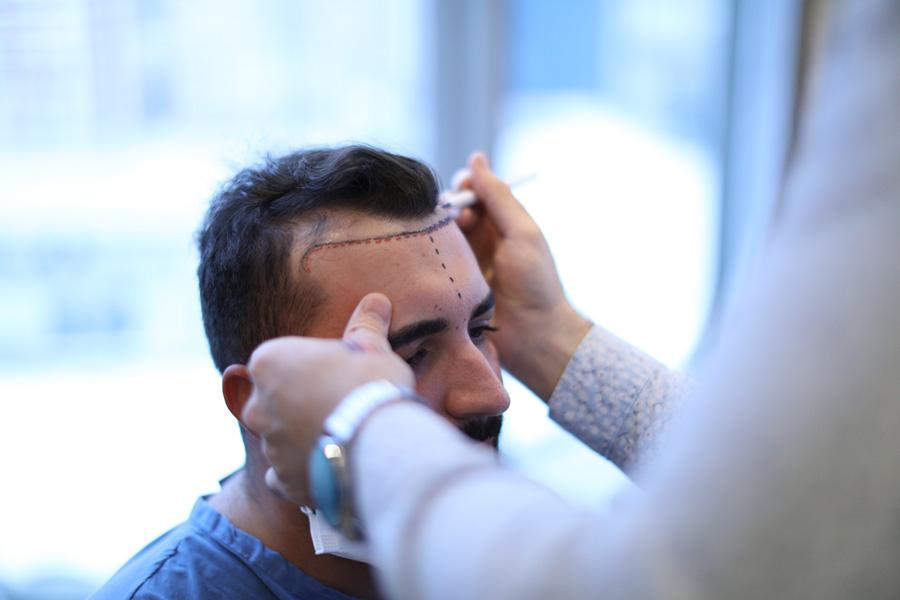
Hair restoration has become one of the most effective solutions for people experiencing hair loss. While modern techniques provide natural-looking results, many patients expect immediate hair growth after the procedure. In reality, the process requires patience because transplanted hair follows a gradual growth cycle. Understanding the recovery stages can help you set realistic expectations and avoid unnecessary concerns. If you are considering a Hair Transplant in Islamabad, knowing the complete hair growth timeline will prepare you for every phase of your transformation.
Why Does Hair Growth Take Time?
A hair transplant involves relocating healthy hair follicles from a donor area to areas affected by hair loss. Once transplanted, these follicles need time to heal, establish a blood supply, and enter their natural growth cycle. Since hair grows in phases, visible improvements occur gradually rather than overnight.
Each person's healing speed depends on factors such as age, overall health, lifestyle, and how well post-procedure instructions are followed.
The Hair Growth Timeline After a Hair Transplant
Here is what you can generally expect after your procedure.
First Week: Healing Phase
During the first few days, the scalp begins to recover from the procedure. You may notice:
- Mild redness and swelling
- Tiny scabs around transplanted follicles
- Slight tenderness or itching
These symptoms are completely normal and usually disappear within a week. It is important not to scratch the scalp or remove the scabs manually.
Weeks 2 to 4: Shedding Phase
Many patients become worried when newly transplanted hairs begin falling out. This stage, known as shock loss, is actually expected.
Although the visible hair sheds, the transplanted follicles remain safely beneath the skin. They are simply preparing for a new growth cycle.
This temporary shedding is one of the most misunderstood parts of the recovery process.
Months 2 to 3: Resting Phase
During this period, there may not be significant visible changes. The follicles remain beneath the scalp, healing and becoming stronger.
Some patients may notice tiny new hairs beginning to emerge, while others may still see little growth. Both situations are considered normal.
Patience is especially important during this stage.
Months 3 to 6: New Hair Begins Growing
This is when most patients start noticing meaningful improvements.
The new hair usually appears:
- Thin
- Soft
- Light in color
- Uneven in length
As the months progress, these hairs gradually become thicker and healthier.
Around six months after surgery, many individuals notice around 50–60% of their expected final results.
Months 6 to 9: Increased Density
Hair growth becomes much more noticeable during this period.
Patients often experience:
- Improved thickness
- Better hair coverage
- More natural appearance
- Easier hair styling
Friends and family usually begin noticing visible improvements during this stage.
Months 9 to 12: Near-Final Results
By the end of the first year, most transplanted follicles have completed their growth cycle.
Hair becomes:
- Thicker
- Stronger
- More consistent
- Natural-looking
Most patients enjoy around 90% of their final outcome at this point.
After 12 to 18 Months
Although excellent results are usually visible after one year, some individuals continue seeing improvements until 18 months after surgery.
Hair texture continues improving, and the transplanted area blends naturally with existing hair.
In the long run, Hair Transplant in Islamabad offers permanent and natural-looking results when performed using advanced techniques and proper aftercare.
Factors That Influence Hair Growth
Not every patient experiences the exact same timeline. Several factors can affect recovery and growth.
Hair Quality
People with thicker donor hair often notice fuller-looking results earlier than those with finer hair.
Age
Younger individuals may experience slightly faster healing, although successful outcomes are possible at many ages.
Overall Health
Good nutrition, proper hydration, and healthy lifestyle habits support faster healing and stronger hair growth.
Following Aftercare Instructions
Proper scalp care, medication use, and avoiding smoking or excessive sun exposure can significantly improve recovery.
Surgical Technique
Modern procedures such as FUE help minimize recovery time while preserving healthy follicles for better long-term results.
Tips to Support Healthy Hair Growth
Patients can maximize their results by following healthy habits after surgery.
- Follow all post-operative instructions carefully.
- Avoid scratching or rubbing the scalp.
- Eat a balanced diet rich in protein, iron, and vitamins.
- Stay hydrated every day.
- Avoid smoking during recovery.
- Attend all follow-up appointments.
- Protect the scalp from direct sunlight.
- Be patient throughout the healing process.
When Should You Contact Your Surgeon?
While temporary discomfort is expected, you should seek professional advice if you experience:
- Persistent bleeding
- Severe swelling lasting several days
- Fever
- Signs of infection
- Unusual pain
- Excessive redness that worsens instead of improving
Early evaluation helps prevent complications and ensures proper healing.
Frequently Asked Questions
How long does it take to see visible hair growth after a hair transplant?
Most patients begin seeing noticeable growth between three and six months after the procedure.
Is hair shedding after the transplant normal?
Yes. Temporary shedding, known as shock loss, is a normal part of the healing process and does not mean the transplant has failed.
When will I see the final results?
Most patients achieve nearly complete results within 12 months, while some continue improving up to 18 months.
Can I speed up the hair growth process?
Although you cannot dramatically speed up natural hair growth, maintaining a healthy lifestyle and following your surgeon's aftercare instructions can support optimal recovery.
Are transplanted hairs permanent?
Yes. Healthy transplanted follicles are generally resistant to hair loss and continue growing naturally for many years.
Final Thoughts
A successful hair transplant is a gradual journey rather than an instant transformation. Every stage—from healing and shedding to new growth and full density—plays an important role in achieving natural, long-lasting results. Understanding the hair growth timeline helps reduce anxiety and allows patients to appreciate each milestone of recovery. If you are planning a Hair Transplant in Islamabad, choosing an experienced clinic, maintaining realistic expectations, and following proper aftercare can significantly improve your overall outcome and satisfaction.

 English
 Arabic
 French
 Spanish
 Portuguese
 Deutsch
 Turkish
 Italiano
 Russian
 Romaian
 Portuguese (Brazil)
 Greek
Greek