


How Local Water Conditions Affect Fountain Bevereage Needs
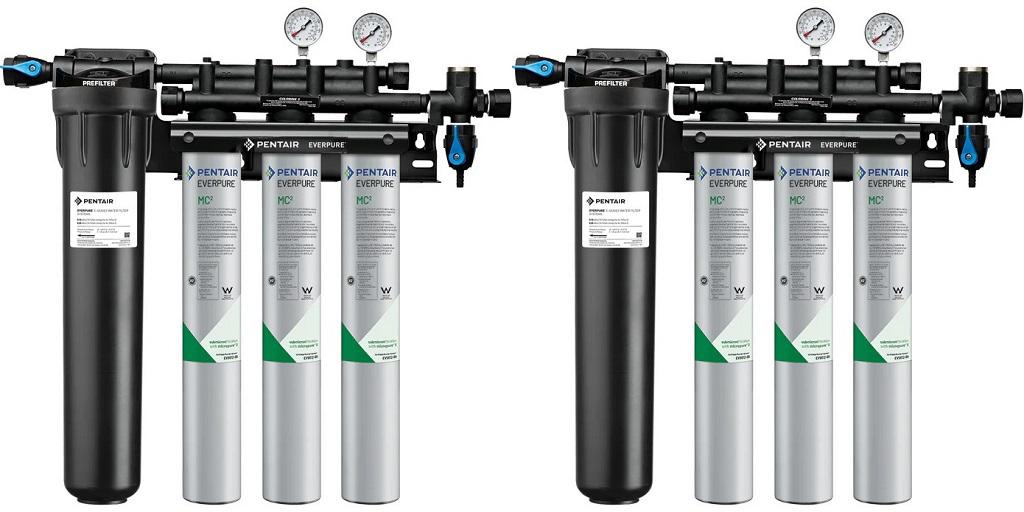
Water is the foundation of every fountain drink. While syrups and carbonation systems get most of the attention, the quality of the water flowing through your equipment plays an equally important role. Businesses that overlook regional water differences often run into issues with taste, equipment wear, and inconsistent results. Understanding how local water conditions impact your setup is essential when choosing the right approach to fountain beverage water filtration.
Why Local Water Conditions Matter
Municipal water supplies vary widely from one area to another. Some regions deal with hard water that contains high levels of calcium and magnesium. Others may have elevated chlorine levels, sediment, or even trace organic compounds. These differences directly affect how beverages taste and how well your equipment performs over time.
For example, high chlorine levels can leave a noticeable chemical aftertaste in soft drinks. Hard water can create scale buildup inside lines and valves, which reduces efficiency and increases maintenance needs. Sediment can clog filters prematurely, leading to inconsistent flow and reduced system lifespan.
This is where fountain beverage water filtration becomes critical. A properly selected system accounts for local water characteristics and targets the specific contaminants that are most likely to cause issues.
Common Regional Water Challenges
Different regions tend to experience specific water quality concerns. Hard water is common in many parts of the Midwest and Southwest. This type of water leads to mineral buildup that can impact both flavor and equipment longevity. In contrast, urban areas often rely on disinfectants like chlorine or chloramine, which affect taste and odor.
Rural locations may face higher levels of sediment or organic matter, especially if the water source comes from wells or surface water. Coastal regions can sometimes deal with higher salinity levels, which can subtly alter beverage profiles.
These variations make it clear that there is no universal solution. A system that works well in one location may not deliver the same results in another. Tailoring your fountain beverage water filtration setup to local conditions is the best way to ensure consistent drink quality.
Matching Filtration to Water Quality
A professional water test can identify mineral content, chlorine levels, and other potential contaminants. Once you have that information, you can select filtration components that address those specific issues.
Carbon filtration is often used to reduce chlorine and improve taste. For areas with heavy sediment, pre-filters help capture larger particles before they reach finer filtration stages. In regions with very hard water, scale inhibition or softening solutions may be necessary to protect equipment and maintain performance.
Reverse osmosis systems are sometimes used in areas with extremely poor water quality. These systems remove a variety of contaminants, but they may also require remineralization to maintain the desired flavor profile for fountain beverages.
Choosing the right combination of filtration methods ensures that your system is not overworked or underperforming. It also helps extend the life of your equipment while delivering a better final product.
The Impact on Beverage Quality
Water quality has a direct influence on how drinks look and taste. Even small variations can affect carbonation, syrup balance, and overall consistency. Customers may not always identify the cause, but they will notice when something feels off.
Effective fountain beverage water filtration helps create a clean, neutral base that allows flavors to shine. It also ensures that every drink tastes the same from one visit to the next. For businesses that rely on repeat customers, that consistency is a major advantage.
Long Term Benefits of the Right System
Investing in the right fountain beverage water filtration setup does more than improve taste. It reduces maintenance costs, minimizes downtime, and protects expensive equipment from damage. Over time, these benefits add up and contribute to a more efficient operation.
Local water conditions are not something you can control, but how you respond to them makes all the difference. By aligning your filtration system with your specific water profile, you can deliver better beverages and keep your operation running smoothly.
For more information about Everpure H 300 and Commercial Ice Machine Water Filter Please visit: Efilters.

 English
 Arabic
 French
 Spanish
 Portuguese
 Deutsch
 Dutch
Dutch
 Italiano
 Russian
 Romaian
 Portuguese (Brazil)
 Greek
Greek