


How to Start IELTS Preparation: Complete Guide for Beginners
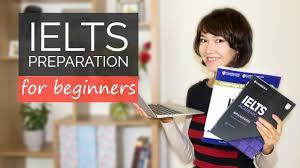
The IELTS (International English Language Testing System) is one of the most popular English proficiency exams for students who want to study, work, or migrate abroad. If you are planning to take the IELTS exam, starting your preparation in the right way is very important. This beginner-friendly guide will help you understand how to begin your IELTS preparation effectively.
1. Understand the IELTS Exam Format
Before starting preparation, it is important to understand the structure of the IELTS exam. The test is divided into four sections:
-
Listening – 30 minutes
-
Reading – 60 minutes
-
Writing – 60 minutes
-
Speaking – 11–14 minutes
Read More: Duolingo English Test
There are two types of IELTS exams: IELTS Academic for students who want to study abroad and IELTS General Training for migration or work purposes.
2. Know Your Current English Level
Take a practice test to evaluate your current English skills. This will help you understand your strengths and weaknesses in listening, reading, writing, and speaking.
3. Set a Target Band Score
Different universities and countries require different IELTS band scores. Most universities require a band score between 6.0 and 7.5. Setting a clear goal will help you plan your preparation better.
Read More IELTS Band Score
4. Create a Study Plan
A proper study schedule is essential for effective IELTS preparation. Dedicate time daily to each section of the exam. For example:
-
Listening practice: 30 minutes
-
Reading practice: 30–45 minutes
-
Writing practice: 30 minutes
-
Speaking practice: 20 minutes
Consistency is the key to achieving a good band score.
Read More : SAT Exam Dates
5. Use the Right Study Materials
Use trusted IELTS preparation materials such as practice books, online resources, and mock tests. Watching English videos, reading newspapers, and listening to English podcasts can also improve your language skills.
6. Practice Mock Tests
Mock tests help you become familiar with the exam format and improve your time management skills. Try to practice full-length tests regularly under exam conditions.
Read More: GRE Exam Date
7. Improve Your Vocabulary and Grammar
Strong vocabulary and grammar are essential for a high IELTS score. Learn new words daily, practice sentence formation, and focus on correct grammar usage in writing and speaking.
8. Practice Speaking Regularly
Speaking is one of the most challenging sections for many students. Practice speaking English with friends, teachers, or language partners to improve your fluency and confidence.
Final Thoughts
Preparing for IELTS may seem challenging at first, but with the right strategy, consistent practice, and proper guidance, you can achieve your desired band score. Start early, stay disciplined, and keep practicing every day.
My Fly Board provides expert guidance for IELTS preparation and helps students plan their study abroad journey with complete support for university selection, applications, and student visas.

 English
 Arabic
 French
 Spanish
 Portuguese
 Deutsch
 Turkish
 Italiano
 Russian
 Romaian
 Portuguese (Brazil)
 Greek
Greek