


Why Lithium Marine Batteries Are a Smarter Fit for Confined Boat Hulls
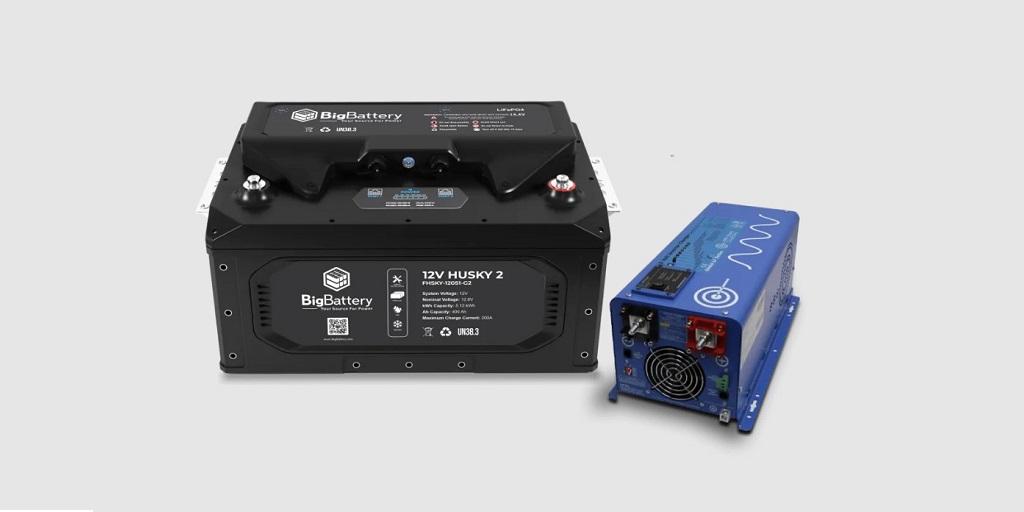
Boat owners know that available space is always at a premium. From storage lockers to engine compartments, every square inch counts—and battery compartments are no exception. In many vessels, especially smaller boats, batteries end up in tight, enclosed areas with limited ventilation. That makes heat management and efficiency critical for long-term performance. This is where lithium marine batteries excel, offering clear advantages over traditional lead-acid systems.
The Challenge of Confined Installs
Every battery produces some level of heat during charging and discharging. In open spaces, airflow helps regulate temperature. But inside a narrow boat hull, where airflow is restricted and humidity can creep in, that same heat can become a problem.
Lead-acid batteries are particularly vulnerable because they release more heat, occupy more space, and require frequent maintenance. Their bulk often limits airflow further, compounding the issue. Lithium technology, on the other hand, handles confined conditions more efficiently, reducing both risks and maintenance headaches.
Why Lithium Performs Better in Tight Compartments
Several design features make lithium batteries more suited to small enclosures:
- Lithium systems waste less energy as heat compared to lead-acid, running cooler under heavy use.
- Integrated electronics monitor voltage, temperature, and current, shutting down unsafe activity before damage occurs.
- Lithium batteries provide more energy in smaller packages, which means better use of limited space.
- Even when temperatures rise slightly, lithium maintains steady voltage delivery for navigation electronics, lights, or trolling motors.
- Lithium batteries are sealed units, making them less vulnerable to moisture or salt exposure in confined marine spaces.
For boaters who spend long hours offshore, these advantages translate into peace of mind and fewer mid-season replacements.
Ten Benefits of Using Lithium Marine Batteries in Confined Hulls
If you’re weighing whether to upgrade, here are ten ways lithium delivers in tight marine spaces:
- Cooler Operation – Reduced heat output makes them safer in closed compartments.
- Space Efficiency – Smaller footprint leaves room for other equipment.
- Longer Lifespan – Thousands of cycles outperform lead-acid in long-term use.
- Lightweight Design – Easier to install and improves overall vessel performance.
- Built-In Protection – BMS prevents overcharging, overheating, or deep discharge damage.
- Minimal Ventilation Needs – Unlike lead-acid, lithium doesn’t require extensive airflow.
- No Off-Gassing – Safe for enclosed installs without venting hydrogen gases.
- Resistant to Vibration – Handles choppy waters without internal damage.
- Low Maintenance – No need for water top-offs or corrosion cleanup.
- Faster Charging – Gets back to full power quicker, even with limited shore time.
Each of these factors becomes especially important when batteries are placed inside a boat hull where airflow and access are limited.
Practical Considerations for Boat Owners
While lithium thrives in confined compartments, installation should still be handled thoughtfully. Mount batteries securely to resist vibration, leave clearance for cables, and ensure the BMS features thermal protection. Choosing a marine-grade model designed for deep cycling will help withstand the demanding conditions of long voyages.
For those upgrading from lead-acid, it’s worth noting that lithium is lighter, so handling and placement are easier. And with far less maintenance required, you won’t need to regularly climb into tight hull spaces just to check water levels or clean corrosion.
Smarter Power for Limited Spaces
When space and ventilation are limited, performance and safety can’t be compromised. Lithium marine batteries bring cooler operation, longer service life, and reliable efficiency that lead-acid simply can’t match in confined hull installations. Whether you’re powering navigation systems, lighting, or a trolling motor, lithium ensures steady performance without the risks tied to overheating or cramped airflow.
For boat owners ready to upgrade, lithium isn’t just an improvement—it’s the right choice for compact, demanding environments.
Explore marine-ready lithium solutions designed for long-term reliability by visiting BigBattery online.
For More Information About Lifepo4 Lithium Battery and All-In-One Solar Battery Please Visit: Bigbattery.

 English
 Arabic
 French
 Spanish
 Portuguese
 Deutsch
 Dutch
Dutch
 Italiano
 Russian
 Romaian
 Portuguese (Brazil)
 Greek
Greek