


Hydraulic Toe Jacks And The First Inch That Decides Everything
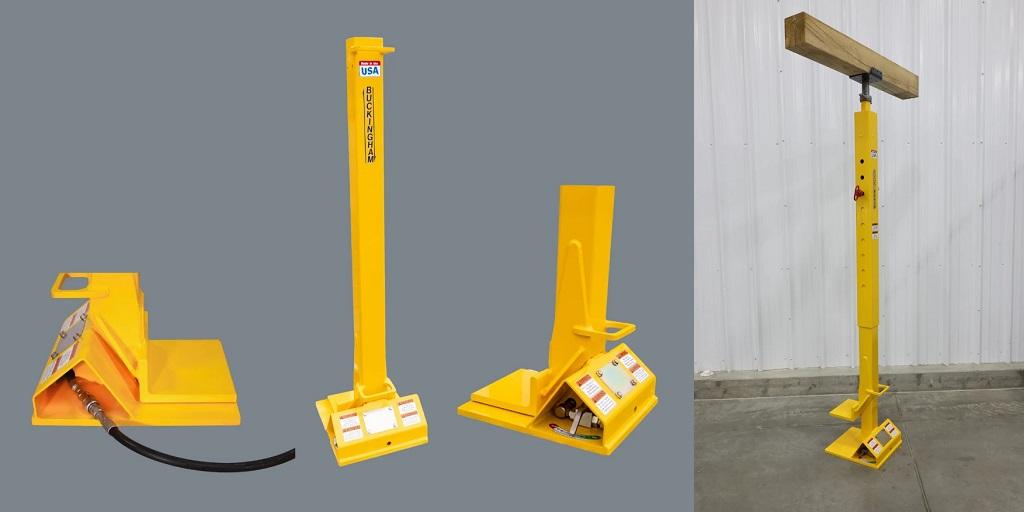
Moving a 10,000-pound CNC machine across a factory floor usually starts with a problem. The base sits flat on concrete, leaving no room for forks, skates, or any lifting equipment to get underneath. Crews reach for hydraulic toe jacks to create that first bit of clearance, lifting just enough to get the rest of the system in place. That’s why they stay within reach, even when bigger equipment is already on site.
You don’t think about them when everything’s already elevated. You think about them when you’re staring at a gap that barely exists and still need to move something that weighs more than it should.
Hydraulic Toe Jacks Fix The Problem Before The Lift Even Starts
There’s always that moment where the job slows down. You’ve got your structural moving tools laid out, machine movers ready, maybe even a full line of hydraulic lifting equipment staged nearby. But nothing fits under the load yet.
That’s where hydraulic toe jacks come in.
They slide into spaces most equipment can’t touch. The toe plate gets under the edge, and from there, pressure builds in a way that feels controlled instead of forced. It’s not dramatic. It’s steady. That first inch comes up clean, and suddenly the rest of the system can start doing its job.
About halfway through setup, you’ll usually see hydraulic toe jacks working alongside a heavy duty jack. The toe handles the entry. The heavier unit takes over once there’s room to work. Crews that understand this sequence don’t waste time fighting the load.
And when you’re dealing with an industrial jack setup inside a plant, that clean start matters. Machine movers rely on alignment. If the first lift is off, everything after it follows that mistake.
Where Hydraulic Toe Jacks Actually Earn Their Keep
Some tools show up everywhere. Others show up where things get tight and unforgiving. Hydraulic toe jacks fall into the second group.
House lifting is one of the clearest examples. Before cribbing stacks build height, before beams slide into position, you need that first lift. That’s where toe jack capacity matters more than anything else. It has to handle the load without hesitation, even when the footing isn’t perfect.
In equipment moves, especially inside older facilities, clearance is rarely generous. Hydraulic toe jacks help machine movers lift just enough to get roller dollies or skates underneath. Once that happens, the entire move opens up.
Midway through a job, hydraulic toe jacks come back into play again. Adjustments, re-leveling, small corrections. You don’t tear everything down to fix a few millimeters. You go back to the tool that can get in tight and make precise changes.
Crews working with buckingham equipment jacks usually treat toe jacks as part of the system, not a separate step. They know where it fits. They know when to bring it back in.
The Science Behind Hydraulic Toe Jacks And Why They Stay Predictable
There’s a reason these tools feel steady when they’re used right. Hydraulic toe jacks rely on pressure, and that pressure builds in a way you can control.
You pump fluid into a sealed system. That fluid pushes against a piston. The force transfers directly to the lifting point. It’s simple, but the result is consistent. The load doesn’t jump. It rises.
That consistency is what separates hydraulic lifting equipment from purely mechanical options. With a manual system, small changes in input can create uneven movement. With hydraulics, the force spreads evenly through the system.
Toe jack capacity comes into play here. It tells you how much pressure the system can safely convert into lifting force. Stay within that range, and the jack performs the same way every time.
In real conditions, that predictability matters more than raw power. When you’re lifting something that can’t twist, crack, or shift out of alignment, you want control you can feel through the handle.
Why Hydraulic Toe Jacks Stay On The Job From Start To Finish
Some tools do one job and disappear. Hydraulic toe jacks stick around. Crews use them at the start to get the load off the ground, then bring them back in later when small adjustments or re-leveling is needed.
You see it in structural moves, in machinery relocation, in any job where the first move sets the tone for everything after. If that first inch goes right, the rest of the job has a fighting chance to stay clean.
Crews who’ve been through enough jobs don’t overthink this. They bring the right tool for the tightest point and build from there.
And if the goal is to keep lifts controlled from the ground up, it makes sense to look at how hydraulic toe jacks fit into a full setup with Buckingham Structural Moving Equipment.
For more information about Shoring Posts and Skidding System Please visit: Buckingham Structural Moving Equipment, LLC.
Moving a 10,000-pound CNC machine across a factory floor usually starts with a problem. The base sits flat on concrete, leaving no room for forks, skates, or any lifting equipment to get underneath. Crews reach for hydraulic toe jacks to create that first bit of clearance, lifting just enough to get the rest of the system in place. That’s why they stay within reach, even when bigger equipment is already on site.
You don’t think about them when everything’s already elevated. You think about them when you’re staring at a gap that barely exists and still need to move something that weighs more than it should.
Hydraulic Toe Jacks Fix The Problem Before The Lift Even Starts
There’s always that moment where the job slows down. You’ve got your structural moving tools laid out, machine movers ready, maybe even a full line of hydraulic lifting equipment staged nearby. But nothing fits under the load yet.
That’s where hydraulic toe jacks come in.
They slide into spaces most equipment can’t touch. The toe plate gets under the edge, and from there, pressure builds in a way that feels controlled instead of forced. It’s not dramatic. It’s steady. That first inch comes up clean, and suddenly the rest of the system can start doing its job.
About halfway through setup, you’ll usually see hydraulic toe jacks working alongside a heavy duty jack. The toe handles the entry. The heavier unit takes over once there’s room to work. Crews that understand this sequence don’t waste time fighting the load.
And when you’re dealing with an industrial jack setup inside a plant, that clean start matters. Machine movers rely on alignment. If the first lift is off, everything after it follows that mistake.
Where Hydraulic Toe Jacks Actually Earn Their Keep
Some tools show up everywhere. Others show up where things get tight and unforgiving. Hydraulic toe jacks fall into the second group.
House lifting is one of the clearest examples. Before cribbing stacks build height, before beams slide into position, you need that first lift. That’s where toe jack capacity matters more than anything else. It has to handle the load without hesitation, even when the footing isn’t perfect.
In equipment moves, especially inside older facilities, clearance is rarely generous. Hydraulic toe jacks help machine movers lift just enough to get roller dollies or skates underneath. Once that happens, the entire move opens up.
Midway through a job, hydraulic toe jacks come back into play again. Adjustments, re-leveling, small corrections. You don’t tear everything down to fix a few millimeters. You go back to the tool that can get in tight and make precise changes.
Crews working with buckingham equipment jacks usually treat toe jacks as part of the system, not a separate step. They know where it fits. They know when to bring it back in.
The Science Behind Hydraulic Toe Jacks And Why They Stay Predictable
There’s a reason these tools feel steady when they’re used right. Hydraulic toe jacks rely on pressure, and that pressure builds in a way you can control.
You pump fluid into a sealed system. That fluid pushes against a piston. The force transfers directly to the lifting point. It’s simple, but the result is consistent. The load doesn’t jump. It rises.
That consistency is what separates hydraulic lifting equipment from purely mechanical options. With a manual system, small changes in input can create uneven movement. With hydraulics, the force spreads evenly through the system.
Toe jack capacity comes into play here. It tells you how much pressure the system can safely convert into lifting force. Stay within that range, and the jack performs the same way every time.
In real conditions, that predictability matters more than raw power. When you’re lifting something that can’t twist, crack, or shift out of alignment, you want control you can feel through the handle.
Why Hydraulic Toe Jacks Stay On The Job From Start To Finish
Some tools do one job and disappear. Hydraulic toe jacks stick around. Crews use them at the start to get the load off the ground, then bring them back in later when small adjustments or re-leveling is needed.
You see it in structural moves, in machinery relocation, in any job where the first move sets the tone for everything after. If that first inch goes right, the rest of the job has a fighting chance to stay clean.
Crews who’ve been through enough jobs don’t overthink this. They bring the right tool for the tightest point and build from there.
And if the goal is to keep lifts controlled from the ground up, it makes sense to look at how hydraulic toe jacks fit into a full setup with Buckingham Structural Moving Equipment.
For more information about Shoring Posts and Skidding System Please visit: Buckingham Structural Moving Equipment, LLC.

 English
 French
 Spanish
 Portuguese
 Deutsch
 Turkish
 Dutch
Dutch
 Italiano
 Russian
 Romaian
 Portuguese (Brazil)
 Greek
Greek