


Why Labubu Figures Are Taking Over Designer Toy Culture
Introduction
In the ever-evolving world of collectible art toys, Labubu few characters have managed to capture global attention as quickly and intensely as Labubu. What started as a quirky creation from the imaginative universe of designer toys has now transformed into a cultural phenomenon embraced by collectors, streetwear fans, and pop-art enthusiasts alike. Labubu figures are no longer just toys sitting on shelves; they represent a growing movement where art, emotion, nostalgia, and exclusivity come together in a single collectible form. The rise of Labubu reflects a larger shift in how people perceive toys—not as children’s playthings, but as expressive art pieces that carry identity, culture, and value.
The Origins of Labubu and Its Unique Identity
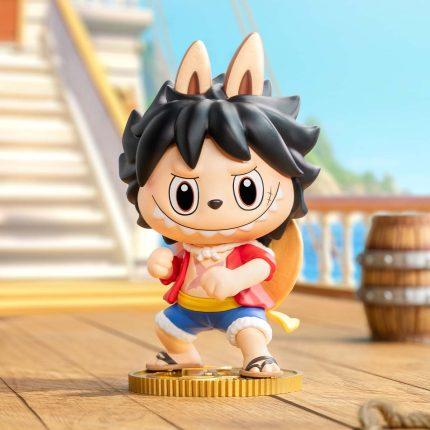
Labubu is part of the imaginative world created by Hong Kong-based artist Kasing Lung, who is known for blending fairy-tale charm with slightly mischievous and surreal characters. Labubu, with its sharp teeth, expressive eyes, and playful yet slightly chaotic personality, stands out immediately from traditional cute toy aesthetics. Unlike typical soft and harmless figures, Labubu carries a dual identity: it is both adorable and slightly eerie, which makes it emotionally complex and visually unforgettable.
This uniqueness is a key reason why Labubu figures resonate so strongly with modern collectors. In a market saturated with polished and predictable designs, Labubu introduces imperfection, personality, and narrative depth. Each figure feels like a small story frozen in time, inviting collectors to interpret its mood and meaning in their own way.
The Rise of Designer Toy Culture
To understand Labubu’s success, it is important to understand the rise of designer toy culture itself. Over the past two decades, collectibles have shifted from mass-produced action figures to limited-edition artistic creations. This shift has been driven by artists who treat toys as canvases for storytelling rather than commercial merchandise.
Designer toys appeal to a new generation of collectors who value creativity, scarcity, and artistic expression. Unlike traditional toys, these figures are often released in limited runs, making them highly desirable and sometimes difficult to obtain. This scarcity adds emotional and financial value, turning each piece into a prized possession rather than a casual purchase.
Labubu fits perfectly into this culture. It embodies artistic originality while also embracing the collectible hype model, making it both culturally meaningful and highly sought-after.
Emotional Connection and Character Design
One of the strongest reasons Labubu has taken over designer toy culture is its emotional impact. The character design is intentionally expressive, allowing people to project their own emotions onto it. Labubu can look playful, mischievous, lonely, or even chaotic depending on the design variation. This emotional flexibility makes it more than just a figure; it becomes a companion-like presence.
Collectors often describe Labubu figures as having personality, almost as if each one is alive in its own world. This emotional connection is rare in collectibles and plays a major role in their popularity. People are not just buying a product; they are buying a feeling, a mood, and a piece of artistic storytelling.
Social Media and Viral Collectibility
Another major factor behind Labubu’s rise is the power of social media. Platforms like Instagram, TikTok, and Pinterest have transformed how collectibles gain popularity. Instead of relying on traditional marketing, Labubu figures spread organically through unboxing videos, display setups, and aesthetic photography shared by fans.
The visual appeal of Labubu makes it perfect for digital sharing. Its expressive design stands out in photos, and collectors often create elaborate displays that highlight the character’s personality. This online visibility fuels demand, as more people become exposed to the figure and develop interest in owning one.
Social media has also created a sense of community among collectors. Fans share release updates, trade figures, and showcase their collections, turning Labubu into a shared cultural experience rather than an isolated hobby.
Limited Editions and the Psychology of Scarcity
Scarcity plays a powerful role in the popularity of Labubu figures. Many releases are limited edition, meaning only a small number of units are produced. This creates urgency and excitement around each drop, often leading to rapid sell-outs.
The psychology behind this is simple: when something is difficult to obtain, it becomes more desirable. Collectors feel a sense of achievement when they successfully acquire a rare Labubu figure, and this emotional reward strengthens their attachment to the hobby.
Over time, certain Labubu editions even gain resale value, further fueling demand. However, for many collectors, the appeal is not just financial. It is about completing sets, preserving artistic series, and being part of a global collector culture.
Art, Fashion, and Cultural Crossover
Labubu’s influence extends beyond toy collecting into fashion and lifestyle culture. Designer toys have increasingly become part of modern aesthetic expression, often displayed alongside fashion items, sneakers, and interior design elements. Labubu figures are frequently seen in stylish room setups, fashion influencer content, and creative studio spaces.
This crossover between art toy culture and fashion culture has helped Labubu reach a wider audience. It is no longer limited to niche collectors; it is now part of a broader lifestyle movement that values creativity and visual storytelling.
Why Labubu Stands Out in a Crowded Market
The designer toy market is filled with countless characters and collaborations, yet Labubu consistently stands out. The reason lies in its balance of originality, emotional depth, and visual identity. While many toys rely on cuteness or branding alone, Labubu combines storytelling, artistic expression, and unpredictability.
Its slightly chaotic and imperfect design gives it authenticity. In a world where digital perfection dominates, Labubu feels refreshingly human. This imperfection is not a flaw but a feature, making the character more relatable and memorable.
The Future of Labubu in Designer Toy Culture
The future of Labubu looks closely tied to the continued growth of designer toy culture. As more artists and brands enter this space, competition will increase, but Labubu’s strong identity and established fanbase give it lasting power.
We are also likely to see more collaborations, themed releases, and experimental designs that push the boundaries of what Labubu can be. LABUBU Box As long as collectors continue to value emotional storytelling and artistic uniqueness, Labubu will remain a central figure in the designer toy world.
Conclusion
Labubu figures have taken over designer toy culture not by accident, but by perfectly aligning with the values of modern collectors. They represent creativity, emotional expression, exclusivity, and community. In a world where people increasingly seek meaning in what they collect, Labubu offers more than just a physical object—it offers a story, a feeling, and a connection to a global creative movement.
Its rise is not just a trend but a reflection of how art toys have evolved into cultural symbols. And as designer toy culture continues to grow, Labubu is likely to remain one of its most iconic and influential characters.

 English
 Arabic
 Spanish
 Portuguese
 Deutsch
 Turkish
 Dutch
Dutch
 Italiano
 Russian
 Romaian
 Portuguese (Brazil)
 Greek
Greek