


Top Radiation Detection Equipment Manufacturers: Leading Brands & Solutions
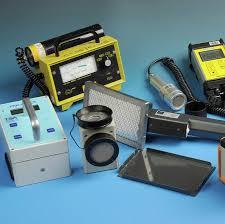
Radiation detection is crucial in a variety of sectors, from healthcare to nuclear power and environmental monitoring. To maintain high safety standards, radiation detection equipment manufacturers provide the necessary tools that ensure proper monitoring and protection against harmful radiation exposure. These devices play a vital role in identifying radiation sources, detecting contamination, and ensuring compliance with safety regulations.
The need for accurate and reliable radiation detection has significantly grown in recent years. In industries such as medical imaging, nuclear power plants, and waste management, radiation monitoring is a key element of safety protocols. Effective radiation detection ensures that radiation levels remain within safe limits, preventing both short- and long-term health risks. This equipment also assists in monitoring environmental radiation levels to protect the public from radioactive contamination.
Radiation Detection Equipment and Its Types
The radiation detection equipment comes in several types, each designed to meet specific needs. Some of the most common types include handheld survey meters, dosimeters, and scintillation counters. Handheld survey meters are widely used by safety personnel to monitor radiation in the field. These devices are compact, portable, and offer real-time readings. Dosimeters, on the other hand, are personal monitoring devices used to measure radiation exposure over time, ensuring that workers stay within the safe limits set by regulatory bodies.
Scintillation counters, another type of radiation detection equipment, are highly sensitive devices that detect and measure ionizing radiation. These counters use scintillators to convert radiation into visible light, which is then measured by a photomultiplier tube. They are commonly used in laboratory settings for precise radiation measurement.
Quality and Compliance in Radiation Detection Equipment
The quality of radiation detection equipment is paramount to ensure safety. Manufacturers must comply with strict regulations set by government agencies such as the U.S. Environmental Protection Agency (EPA) and the Nuclear Regulatory Commission (NRC). These regulations require that radiation detection devices be highly accurate, durable, and capable of operating under various environmental conditions. They also must adhere to international standards such as ISO certifications to guarantee consistent performance and reliability.
Radiation detection equipment manufacturers often incorporate advanced technologies to improve the effectiveness of their devices. Modern devices come with features such as digital displays, alarms, and wireless data transmission, which make radiation monitoring more efficient and user-friendly. Many also include software integration to allow for the real-time tracking of radiation levels, enhancing the ability to respond quickly to potential hazards.
The Role of Manufacturers in Innovation
The role of radiation detection equipment manufacturers goes beyond just providing tools for monitoring radiation. These manufacturers are also at the forefront of innovation, continuously developing new technologies that enhance the accuracy and usability of radiation detection systems. As industries evolve and new challenges emerge, manufacturers work to design equipment that meets the growing demand for more precise and cost-effective radiation monitoring solutions.
For instance, the rise in medical imaging and cancer treatment technologies has led to a higher demand for portable radiation detection devices. Manufacturers are now focused on creating lightweight, durable, and more affordable solutions for healthcare providers and first responders. Similarly, the growing concern over environmental radiation due to nuclear accidents and waste disposal has driven the development of more advanced environmental radiation monitoring systems.
Conclusion
In conclusion, radiation detection equipment manufacturers are essential players in ensuring safety across multiple industries. Their advanced equipment helps to protect workers, the environment, and the general public from the risks of radiation exposure. With their constant innovation and adherence to regulatory standards, these manufacturers play a pivotal role in maintaining safety, providing essential tools for monitoring and controlling radiation risks.

 English
 Arabic
 French
 Spanish
 Portuguese
 Turkish
 Dutch
Dutch
 Italiano
 Russian
 Romaian
 Portuguese (Brazil)
 Greek
Greek