


Press Fit Tool: Precision, Strength, and Efficiency in Modern Assembly
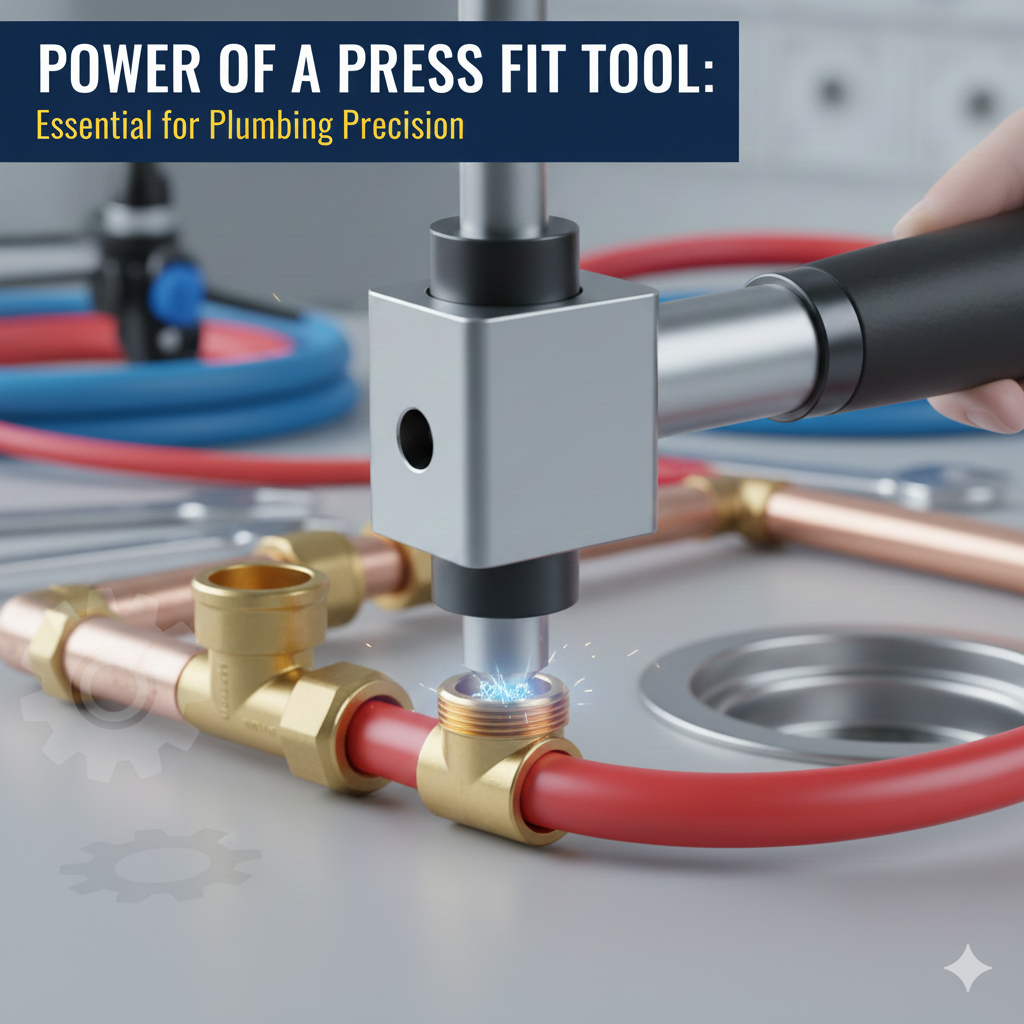
In modern manufacturing and mechanical assembly, precision is everything. From automotive components to industrial machinery, parts must fit together securely without compromising material integrity. One essential instrument that makes this possible is the press fit tool. Designed to install or remove components with accuracy and control, this tool plays a critical role in ensuring durability and performance across many industries.
What Is a Press Fit Tool?
A press fit tool is a specialized device used to insert one component into another using controlled force rather than fasteners like screws or bolts. This method, known as press fitting or interference fitting, relies on precise dimensional tolerances. The press fit tool applies even pressure to ensure the part is seated correctly without damaging surrounding materials.
These tools are commonly used for bearings, bushings, gears, pins, and shafts, where a strong, permanent connection is required.
Why Press Fit Tools Are Important
The main advantage of using a press fit tool is consistency. Manual methods such as hammering can cause misalignment, surface damage, or internal stress fractures. A press fit tool eliminates these risks by delivering steady, measured force directly along the correct axis.
This results in stronger assemblies, longer component life, and reduced chances of mechanical failure—especially in high-load or high-speed applications.
How a Press Fit Tool Works
A press fit tool typically uses mechanical, hydraulic, or pneumatic force to push a component into place. The tool aligns the part precisely before pressure is applied, ensuring that the force is distributed evenly.
Some advanced press fit tools include measurement sensors or guides that help operators monitor insertion depth and pressure. This level of control is essential when working with delicate or high-precision components.
Types of Press Fit Tools
There are several types of press fit tools designed for different applications:
Manual press fit tools are often used in small workshops or for light-duty tasks. They are simple, cost-effective, and suitable for low-volume work.
Hydraulic press fit tools are widely used in industrial settings. They provide high force with excellent control, making them ideal for heavy components and mass production.
Pneumatic press fit tools offer speed and efficiency, often used in assembly lines where rapid, repeatable operations are required.
Each type serves a specific purpose, depending on the material, size, and tolerance requirements of the components involved.
Applications Across Industries
The press fit tool is used in a wide range of industries. In automotive manufacturing, it ensures secure installation of bearings, suspension parts, and drivetrain components. In electronics, it helps assemble connectors and housings without damaging sensitive circuits.
Medical device manufacturing relies on press fit tools for assembling precision instruments where accuracy and cleanliness are critical. Even aerospace and heavy machinery industries depend on press fitting to meet strict safety and performance standards.
Benefits of Using a Press Fit Tool
One of the biggest benefits of a press fit tool is reliability. Press-fit connections do not loosen over time like fasteners can. This makes them ideal for applications exposed to vibration or repeated stress.
Another advantage is efficiency. Press fitting reduces the need for additional components such as screws or adhesives, simplifying assembly and lowering material costs. It also improves aesthetics by creating clean, seamless connections.
Proper Use and Safety Considerations
Using a press fit tool requires proper training and attention to safety. Incorrect alignment or excessive force can damage components or cause injury. Operators should always follow manufacturer guidelines and use appropriate protective equipment.
Regular maintenance of the press fit tool is also essential. Keeping the tool calibrated and clean ensures consistent performance and extends its lifespan.
Choosing the Right Press Fit Tool
Selecting the correct press fit tool depends on several factors, including component size, material hardness, required force, and production volume. For small-scale or occasional use, a manual tool may be sufficient. For high-volume industrial environments, hydraulic or pneumatic systems offer better efficiency and precision.
Investing in the right tool not only improves assembly quality but also reduces downtime and long-term costs.
The Future of Press Fit Technology
As manufacturing continues to evolve, press fit tools are becoming smarter and more precise. Modern systems are increasingly integrated with digital controls, data tracking, and automation. These advancements allow manufacturers to monitor quality in real time and optimize production processes.
The future of press fitting lies in greater accuracy, automation, and sustainability—helping industries meet higher standards with less waste.
Final Thoughts
A press tool is more than just an assembly device—it is a key element in modern engineering and manufacturing. By providing precision, strength, and efficiency, it ensures that components are assembled correctly and perform reliably over time. Whether in small workshops or large industrial facilities, press fit tools remain indispensable in building the machines and systems that power today’s world.

 English
 Arabic
 Spanish
 Portuguese
 Deutsch
 Turkish
 Dutch
Dutch
 Italiano
 Russian
 Romaian
 Portuguese (Brazil)
 Greek
Greek