


The Religious History of Kaaba in Islam
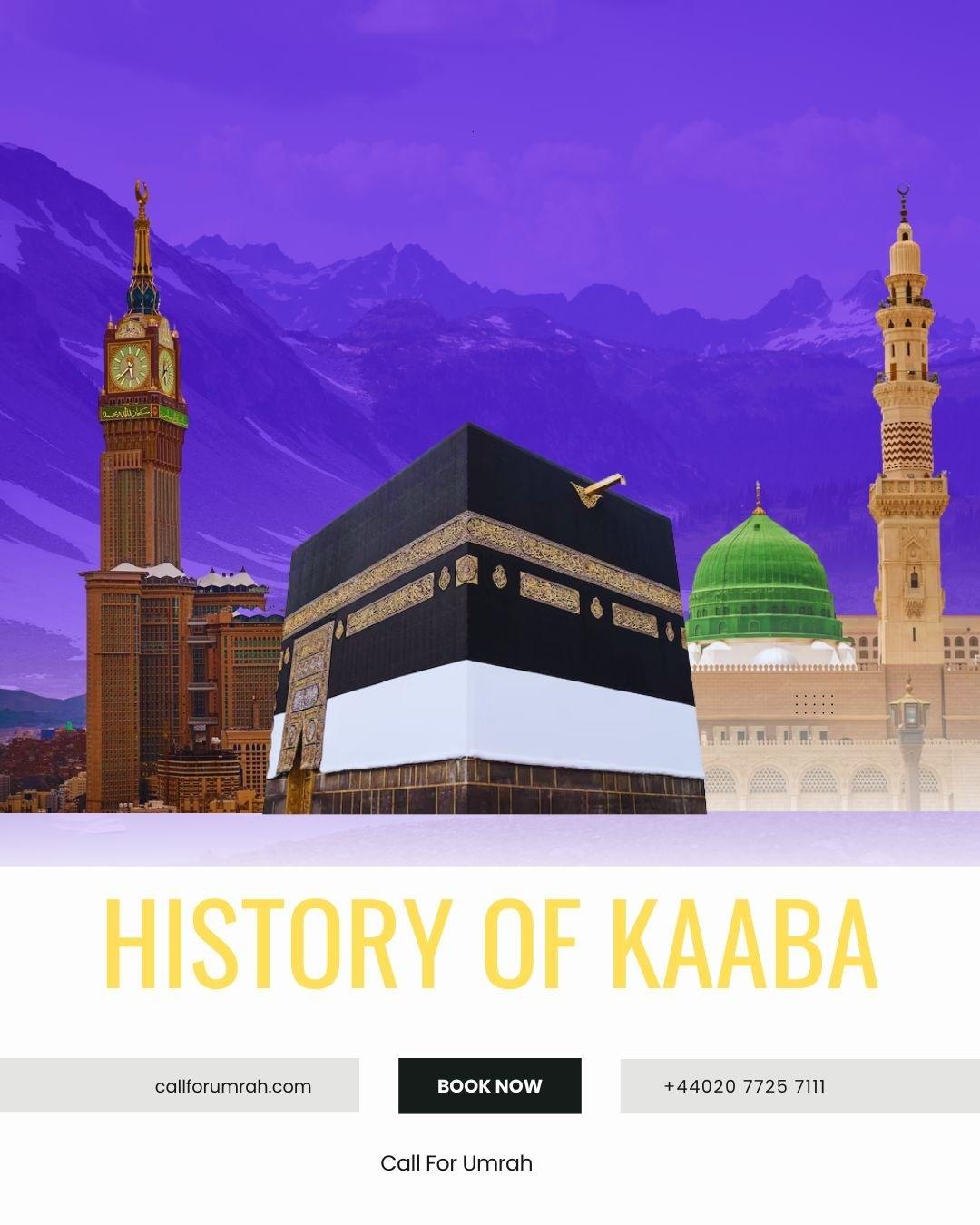
The Kaaba, located in the heart of Masjid al-Haram in Makkah, Saudi Arabia, holds unmatched significance in the Islamic world. Every Muslim, regardless of nationality or background, faces the Kaaba during prayers, symbolizing unity and devotion to one God. Understanding the history of Kaaba offers a deep insight into Islam’s origins, its prophetic heritage, and the spiritual essence of pilgrimage.
The Origins of Kaaba
According to Islamic belief, the Kaaba was originally built by Prophet Ibrahim (Abraham) and his son Ismail (Ishmael) as a house of monotheistic worship. Allah commanded Ibrahim to raise its foundations, making it the first house established for the worship of the One True God. The Qur’an mentions this event in Surah Al-Baqarah (2:127), emphasizing their prayer for the acceptance of their noble deed.
The Kaaba’s location is not coincidental. It is believed to mark the spiritual center of the Earth — a focal point for divine connection. Even before Islam, various Arabian tribes recognized the Kaaba as a sacred site, though idol worship had gradually overshadowed its original monotheistic purpose.
The Kaaba During the Time of Prophet Muhammad (PBUH)
By the time Prophet Muhammad (peace be upon him) was born, the Kaaba had become surrounded by idols and false gods. When the Prophet began his mission to restore pure monotheism, the Kaaba became central to his spiritual reform. After years of struggle, when Makkah was peacefully conquered in 630 CE, the Prophet purified the Kaaba by removing its idols and rededicating it to Allah alone. This moment marked a turning point in the history of Kaaba, reestablishing it as the heart of Islamic worship.
Since then, Muslims have faced the Kaaba in prayer (known as the Qiblah) and travel to Makkah for Hajj and Umrah, fulfilling one of the core pillars of Islam.
The Structure and Symbolism
The Kaaba is a cuboid structure draped in a black silk and gold-embroidered cloth called the Kiswah. The simplicity of its design represents humility and the equality of all believers before God. Each year, millions of pilgrims circle the Kaaba in the ritual known as Tawaf, symbolizing the unity of Muslims around their faith.
The Kaaba and Modern Pilgrimage
In today’s world, millions of Muslims aspire to visit the Kaaba for Hajj or Umrah. Many travel through specialized Umrah Plus Packages, which offer extended stays in Makkah and Madinah to explore the spiritual and historical landmarks of Islam. These packages provide not only convenience but also an opportunity for reflection, prayer, and deepened faith.
Conclusion
The history of Kaaba is a profound journey through faith, unity, and devotion. From the time of Prophet Ibrahim to the present day, it remains the ultimate symbol of Islamic spirituality. Every believer who visits Makkah — whether for Hajj or through Umrah Plus Packages — reconnects with this sacred history, strengthening their bond with Allah and the universal brotherhood of Islam.

 English
 Arabic
 French
 Spanish
 Portuguese
 Deutsch
 Turkish
 Dutch
Dutch
 Italiano
 Russian
 Portuguese (Brazil)
 Greek
Greek