


Inside a Dermatologist’s Office: What Really Happens During a Skin Exam
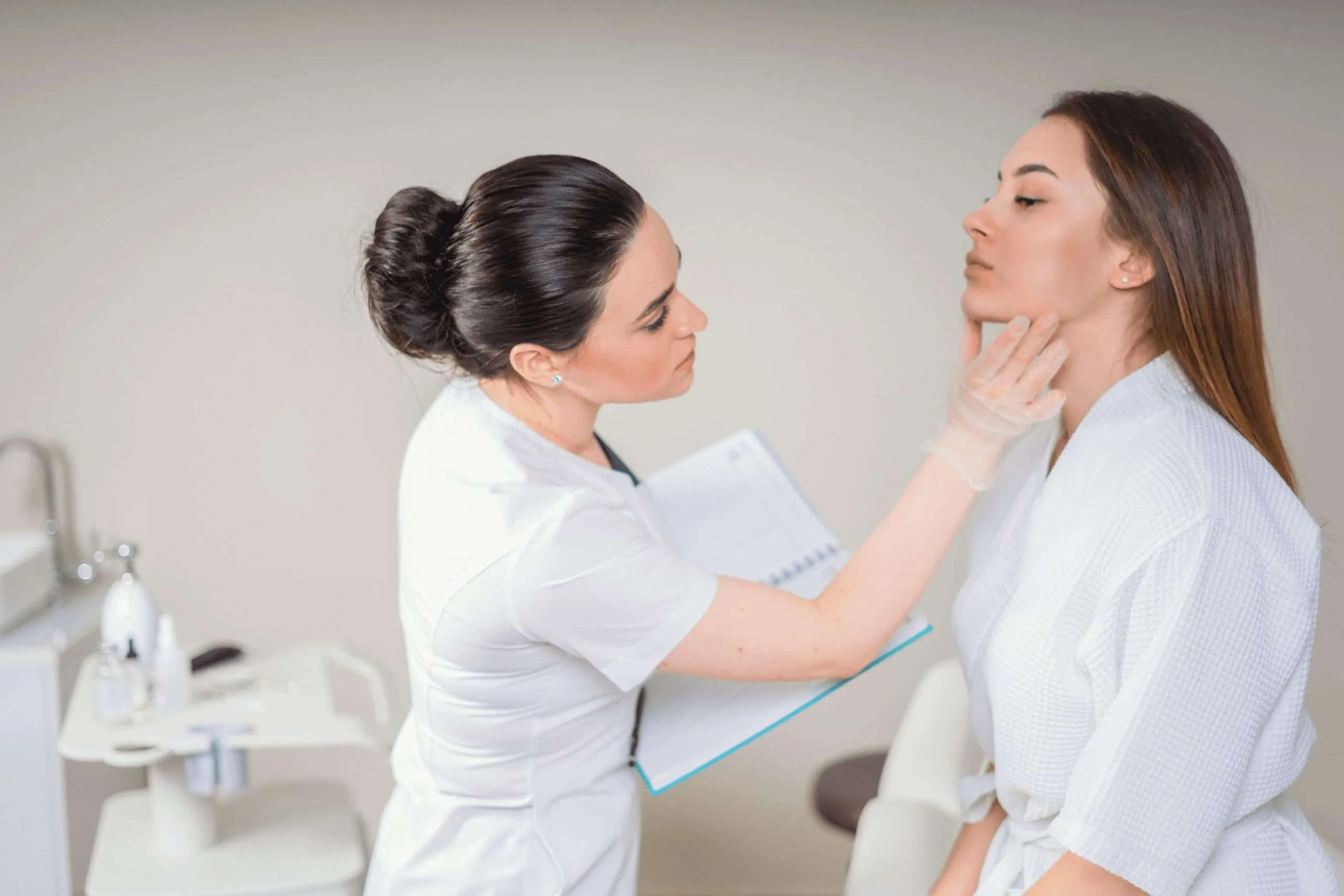
Visiting a Dermatologist in Riyadh for a skin exam can feel intimidating if you don’t know what to expect. Many people imagine complicated procedures or uncomfortable tests, but in reality, a professional skin examination is a straightforward, thorough, and often reassuring process. Whether you’re going in for a routine checkup, acne concerns, pigmentation issues, or to evaluate a suspicious mole, understanding what really happens during a skin exam can help you feel confident and prepared. This guide takes you step-by-step inside a dermatologist’s office so you know exactly what to expect from start to finish.
Why a Skin Exam Is Important:
A skin exam is more than just a quick look at your face; it’s a comprehensive assessment of your skin’s health from head to toe, designed to detect early signs of skin cancer, chronic conditions, infections, and cosmetic concerns before they become serious problems. Dermatologists are trained to identify subtle changes that patients often overlook, including irregular moles, unusual pigmentation, persistent rashes, and early signs of sun damage. Regular skin exams are especially important for individuals with a history of excessive sun exposure, a family history of skin cancer, fair skin, or existing skin conditions such as eczema or psoriasis, as early detection significantly improves treatment outcomes and long-term skin health.
What Happens Before the Examination:
Before the actual skin check begins, you’ll typically complete a medical history form and discuss your concerns directly with the dermatologist, which helps guide the focus of the exam and ensures nothing important is missed. During this stage, you may be asked about changes in moles, itching, bleeding spots, new growths, allergies, medications, and your skincare routine, as well as lifestyle factors like sun exposure and tanning habits. This conversation is essential because it allows the dermatologist to understand your risk factors and tailor the examination to your specific needs rather than performing a generic evaluation.
-
Review of personal and family medical history
-
Discussion of current skin concerns
-
Questions about sun exposure and sunscreen use
-
Overview of medications and allergies
-
Evaluation of previous skin treatments
The Full-Body Skin Examination Process:
A full-body skin exam is systematic and methodical, ensuring that no area is overlooked, including areas you may not think to check yourself, such as the scalp, behind the ears, between the toes, and under the nails. You’ll usually be asked to change into a medical gown to allow clear visibility of the skin, and the dermatologist will carefully inspect each section of your body using bright lighting and sometimes a specialized magnifying tool called a dermatoscope, which provides a closer look at pigmented lesions and helps distinguish between benign and suspicious spots. The exam is painless and typically takes about 10 to 20 minutes, depending on the number of moles or concerns being evaluated.
How Dermatologists Evaluate Moles and Spots:
When assessing moles or unusual spots, dermatologists commonly use the ABCDE criteria, a clinical guideline that helps determine whether a lesion may require further investigation or biopsy. They carefully examine asymmetry, border irregularity, color variation, diameter larger than 6mm, and evolving characteristics such as growth or bleeding, while also considering additional warning signs like itching or crusting. If something appears suspicious, the dermatologist may recommend monitoring it over time, photographing it for comparison, or performing a biopsy, which involves removing a small sample of tissue under local anesthesia for laboratory analysis to rule out conditions such as melanoma or other forms of skin cancer.
-
A – Asymmetry
-
B – Border irregularity
-
C – Color variation
-
D – Diameter larger than 6mm
-
E – Evolving or changing appearance
Common Conditions Diagnosed During a Skin Exam:
While many patients assume skin exams focus only on cancer detection, dermatologists also diagnose and manage a wide range of medical and cosmetic conditions during these visits, including acne, rosacea, hyperpigmentation, fungal infections, eczema, psoriasis, and sun damage. In regions with intense sun exposure, such as Riyadh, concerns like melasma and actinic keratosis are particularly common, and early intervention can prevent progression or permanent damage. A thorough evaluation allows the dermatologist to provide targeted treatment plans, recommend medical-grade skincare products, or suggest procedures such as chemical peels, laser therapy, or prescription medications when necessary.
What If a Biopsy Is Needed:
If the dermatologist identifies a lesion that requires further analysis, a biopsy may be performed during the same appointment, and the procedure is typically quick, minimally invasive, and done under local anesthesia to ensure comfort. Depending on the type of lesion, the dermatologist may use a shave biopsy, punch biopsy, or excisional biopsy technique, each chosen based on the size, depth, and location of the abnormality. After the sample is sent to a pathology lab, results usually return within one to two weeks, at which point your dermatologist will discuss the findings and outline any necessary next steps, which may range from simple monitoring to additional treatment.
How to Prepare for Your Appointment:
Preparing properly for your skin exam can improve its accuracy and efficiency, allowing the dermatologist to clearly assess your skin without interference from cosmetics or external products. On the day of your appointment, it’s recommended to remove makeup, nail polish, and heavy skincare products, and to wear loose, comfortable clothing that’s easy to change in and out of. You should also make note of any new or changing spots, including when you first noticed them and whether they have caused symptoms such as itching or bleeding, so you can communicate this information clearly during your visit.
-
Avoid makeup and heavy lotions
-
Remove nail polish for nail examination
-
Document changes in moles or spots
-
Bring a list of medications
-
Arrive a few minutes early to complete paperwork
How Often Should You Get a Skin Exam:
The frequency of skin exams depends on your individual risk factors, but many dermatologists recommend an annual full-body skin check for adults, particularly those over the age of 30 or those with significant sun exposure history. Individuals at higher risk, such as those with numerous atypical moles, previous skin cancer diagnoses, or a strong family history of melanoma, may need more frequent examinations as advised by their dermatologist. Consulting a qualified Dermatologist in Riyadh ensures that your screening schedule is tailored to your specific skin type, lifestyle, and environmental exposure, helping you maintain optimal skin health year-round.
Final Thoughts:
A professional skin exam is a proactive step toward protecting your long-term health and maintaining clear, healthy skin. The process is thorough yet simple, designed to detect issues early while providing expert guidance for both medical and cosmetic concerns. By understanding what really happens during a visit to a Dermatologist in Riyadh, you can approach your appointment with confidence, knowing that the experience is structured, efficient, and focused entirely on safeguarding your skin. Regular checkups not only provide peace of mind but also empower you to take control of your skin health before small concerns become major problems.

 English
 Arabic
 French
 Portuguese
 Deutsch
 Turkish
 Dutch
Dutch
 Italiano
 Russian
 Romaian
 Portuguese (Brazil)
 Greek
Greek