


India’s Halal Beauty Industry Gains Momentum Through Inclusive and Ethical Consumer Preferences
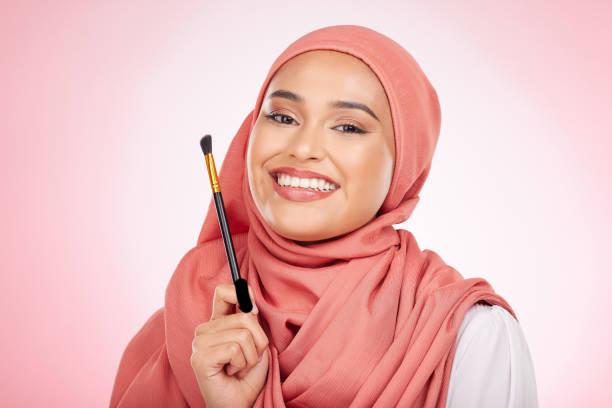
The beauty and personal care industry in India is undergoing a noticeable transformation as consumers increasingly seek products aligned with ethical, cultural, and ingredient-conscious preferences. Among the emerging segments, halal cosmetics have gained considerable attention due to growing awareness regarding product composition, transparency, and compliance with halal-certified manufacturing standards.
Halal cosmetics are formulated without ingredients prohibited under Islamic guidelines and are often associated with cruelty-free, alcohol-free, and ethically sourced formulations. The increasing preference for clean-label beauty products, combined with rising disposable incomes and evolving consumer awareness, is contributing to the expanding visibility of halal-certified beauty brands across India.
According to the India halal cosmetics industry analysis, the sector is projected to grow at a CAGR of around 30.25% during 2023-28. The study attributes this expansion to increasing demand for inclusivity in cosmetic products, improving affordability, and rising consumer inclination toward halal-certified personal care solutions.
Growing Awareness Around Ingredient Transparency
Consumers today are paying closer attention to product labels, ingredient sourcing, and manufacturing practices. This trend has encouraged cosmetic manufacturers to introduce products that align with ethical and religious considerations while also addressing broader wellness concerns.
Halal cosmetics generally exclude animal-derived substances, harsh chemicals, and alcohol-based ingredients that may conflict with halal standards. This positioning has enabled halal-certified products to appeal not only to Muslim consumers but also to individuals seeking safer and cleaner cosmetic alternatives.
The increasing influence of digital beauty communities and social media awareness campaigns has further improved consumer understanding regarding halal certifications and ingredient authenticity. Educational content around ethical beauty practices continues to support product adoption across urban and semi-urban regions.
E-Commerce Channels Supporting Product Accessibility
Online retail platforms have emerged as an important distribution channel for halal cosmetic brands in India. Digital marketplaces allow consumers to compare certifications, review ingredient details, and access specialized products that may not always be available in traditional retail stores.
The rapid penetration of smartphones and digital payment systems has also improved access to niche beauty products among younger consumers. As a result, online channels are increasingly becoming a preferred route for discovering halal skincare, fragrances, and color cosmetics.
Industry observations from the broader Southeast Asian halal cosmetics sector indicate that expanding e-commerce adoption and smartphone usage continue to support halal beauty product demand across emerging economies.
Personal Care Products Continue to Attract Demand
Within the halal cosmetics landscape, personal care products such as skincare, haircare, and fragrances are witnessing steady consumer interest. Growing awareness regarding skin sensitivity, product safety, and long-term health considerations is influencing purchasing decisions across multiple age groups.
Consumers are increasingly prioritizing products perceived as natural, gentle, and ethically produced. This shift has encouraged manufacturers to focus on plant-based formulations, herbal extracts, and non-toxic ingredients while maintaining halal compliance standards.
Haircare and skincare categories, in particular, continue to benefit from rising urbanization and lifestyle changes. The increasing participation of women in the workforce and higher spending on personal grooming products are also contributing factors influencing segment growth.
Influence of India’s Expanding Muslim Consumer Base
India is home to one of the world’s largest Muslim populations, which creates a significant consumer base for halal-certified products across multiple industries. As awareness surrounding halal standards grows, cosmetic brands are recognizing the importance of catering to culturally aligned consumer preferences.
The demand is not solely restricted to religious considerations. Many consumers associate halal-certified cosmetics with higher quality standards, hygienic manufacturing practices, and ethical sourcing. This perception has widened the appeal of halal beauty products among diverse customer groups.
Increasing retail visibility, product diversification, and social media engagement are enabling brands to strengthen their market presence while building consumer trust through transparent certifications and ingredient disclosures.
International and Regional Brands Expanding Presence
Several regional and international cosmetic companies are actively participating in the halal beauty segment by introducing specialized product lines and certification-focused branding strategies. Companies such as Clara International, Inika Cosmetics, Wardah Cosmetics, and MMA Bio Lab Sdn Bhd are among the recognized participants operating within the industry landscape.
Many brands are focusing on innovation through vegan formulations, botanical ingredients, and environmentally conscious packaging to align with broader consumer trends. This overlap between halal beauty and sustainable cosmetics is creating additional opportunities for market expansion.
Globally, halal beauty products are also benefiting from increasing demand for ethical and eco-friendly cosmetics. Industry studies highlight that consumers are showing greater interest in products that combine safety, sustainability, and transparency.
Regulatory Standards and Certification Importance
Certification remains a critical factor influencing consumer confidence in halal cosmetic products. Authentic halal certifications help brands establish credibility while ensuring compliance with ingredient sourcing and manufacturing protocols.
As competition increases, regulatory consistency and transparent labeling practices are becoming increasingly important for industry participants. Consumers often rely on certification marks and brand disclosures to evaluate product authenticity and safety standards.
The growing emphasis on regulatory compliance is also encouraging manufacturers to invest in quality assurance processes, ethical sourcing mechanisms, and internationally recognized certification systems.
Changing Consumer Behavior Shaping Future Trends
The Indian beauty industry continues to evolve alongside changing consumer priorities. Modern consumers are increasingly influenced by values such as sustainability, ethical consumption, inclusivity, and wellness-oriented product choices.
Halal cosmetics are gradually becoming part of this broader transformation in consumer behavior. The segment’s alignment with clean beauty trends, ingredient transparency, and ethical production practices positions it within the wider movement toward conscious consumerism.
As digital awareness increases and product accessibility improves, halal-certified cosmetics are expected to maintain growing relevance within India’s beauty and personal care ecosystem. Continued innovation, certification transparency, and diversified product offerings are likely to remain important factors shaping the industry’s development in the coming years.

 English
 Arabic
 French
 Portuguese
 Deutsch
 Turkish
 Dutch
Dutch
 Italiano
 Russian
 Romaian
 Portuguese (Brazil)
 Greek
Greek