


A Comparative Look at the Dominant Global Server Virtualization Market Platform
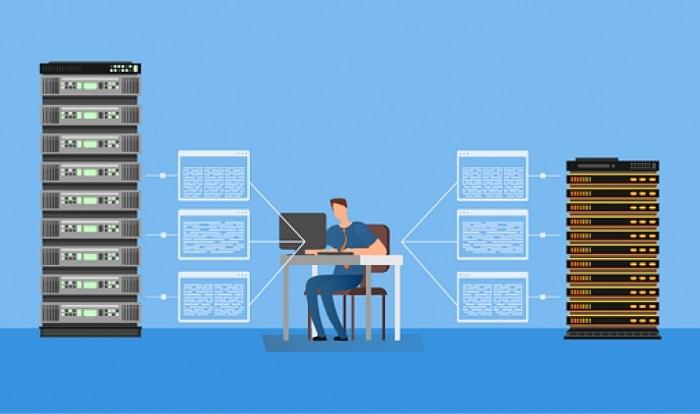
The core of any virtualized infrastructure is the Server Virtualization Market Platform, a sophisticated suite of software that includes the hypervisor and an integrated set of management tools. This platform is the engine that drives the creation, management, and orchestration of virtual machines, making it the most critical technology choice in a data center's virtualization strategy. The market is dominated by a few key platforms, each with its own architecture, ecosystem, and strategic advantages, leading to intense competition and continuous innovation. The choice of platform dictates not only the performance and features available but also influences long-term operational costs, vendor lock-in potential, and the ease of integration with other IT systems and cloud services. Understanding the nuances of these leading platforms is essential for any organization aiming to build a resilient, efficient, and future-proof digital infrastructure. The platform is not merely a utility; it is a strategic asset that underpins the entire spectrum of IT services delivered to the business, from legacy applications to cutting-edge cloud-native services.
The undisputed market leader for many years has been VMware's vSphere platform, with its ESXi hypervisor and the vCenter Server management console. VMware's success is built on its reputation for stability, a rich feature set, and the industry's most extensive ecosystem of third-party hardware and software support. Features like vMotion (for live migration of running VMs), High Availability (HA), and Distributed Resource Scheduler (DRS) have become industry standards for managing dynamic virtual environments and ensuring business continuity. Its robust performance and enterprise-grade capabilities have made it the de facto choice for a majority of large enterprises running mission-critical workloads. In contrast, Microsoft's Hyper-V platform has gained significant traction by leveraging its deep integration with the Windows Server operating system. For many organizations already invested in the Microsoft ecosystem, Hyper-V presents a compelling, cost-effective alternative, as the hypervisor role is included with Windows Server. Paired with System Center Virtual Machine Manager (SCVMM), Hyper-V offers a comprehensive solution that is particularly strong in Windows-centric environments.
Beyond the two market giants, the open-source world offers a powerful and increasingly popular alternative in the form of the Kernel-based Virtual Machine (KVM). As its name suggests, KVM is built directly into the Linux kernel, which gives it significant performance advantages and makes it a natural choice for Linux-based data centers. While KVM itself is a command-line-driven hypervisor, it is typically deployed as part of a larger platform, most notably Red Hat Virtualization (RHV) or as the foundational hypervisor for the OpenStack cloud computing platform. KVM's open-source nature means there are no licensing costs for the hypervisor itself, which is a major draw for cost-conscious organizations and large-scale cloud providers. Its flexibility and strong community support have led to its widespread adoption by many of the world's largest public cloud providers, including Google Cloud and AWS (which uses a heavily modified version of KVM). Another notable platform is Citrix Hypervisor (formerly XenServer), which builds upon the open-source Xen hypervisor and is renowned for its strong performance in Virtual Desktop Infrastructure (VDI) deployments.
The future of the server virtualization platform lies in its ability to transcend its original purpose of managing virtual machines and evolve into a unified control plane for a multi-cloud, multi-platform world. The most significant trend is the integration of container management capabilities directly into the hypervisor platform. VMware's vSphere with Tanzu and Red Hat's OpenShift Virtualization are prime examples of this convergence, allowing IT administrators to manage both VMs and Kubernetes-orchestrated containers from a single, familiar interface. This addresses a major challenge for enterprises by bridging the gap between traditional IT operations and modern DevOps workflows. Furthermore, platform vendors are heavily investing in multi-cloud management features, providing tools that enable organizations to manage and migrate workloads seamlessly across their on-premises data centers and multiple public cloud providers. The integration of artificial intelligence and machine learning (AI/ML) for predictive analytics, automated workload balancing, and proactive troubleshooting is another key area of innovation, promising to create self-managing, self-optimizing "autonomous data centers" of the future.
Top Trending Reports:
Advanced Drill Data Management Solution Market

 English
 Arabic
 French
 Spanish
 Portuguese
 Deutsch
 Turkish
 Dutch
Dutch
 Italiano
 Russian
 Romaian
 Portuguese (Brazil)