Introduction
BMW has built a global reputation for producing vehicles that combine luxury, innovation, and thrilling driving performance. At the heart of this reputation lies the engineering brilliance of BMW engines. Known for precision manufacturing and advanced automotive technology, BMW engines have powered some of the world’s most iconic cars for decades. Whether it is a compact sedan, a luxury SUV, or a high-performance sports car, BMW engines are designed to deliver efficiency, power, and reliability.
Over the years, BMW has continuously evolved its engine technology to meet modern demands for fuel economy, environmental sustainability, and driving excitement. From naturally aspirated inline-six engines to turbocharged hybrid powertrains, BMW remains a leader in automotive engineering.
The History of BMW Engines
BMW, which stands for Bayerische Motoren Werke, began as an aircraft engine manufacturer in the early 20th century. The company’s expertise in engine development quickly became one of its strongest assets. During the 1930s and 1940s, BMW gained recognition for producing high-quality engines for aviation and motorcycles before expanding into automobiles.
As the automotive industry evolved, BMW focused heavily on developing engines that delivered smooth performance and superior driving dynamics. The introduction of the inline-six engine became a defining moment for the brand. This engine configuration offered exceptional balance, reduced vibration, and impressive power delivery, making it a favorite among car enthusiasts.
Over the decades, BMW engines continued to improve with advancements in fuel injection, turbocharging, and electronic engine management systems. Today, BMW produces some of the most technologically advanced engines in the automotive world.
Types of BMW Engines
BMW manufactures several types of engines to suit different vehicle categories and customer preferences. Each engine type is designed with a specific balance of performance, efficiency, and comfort.
Inline-Three Engines
BMW’s smaller vehicles often use inline-three engines. These compact engines are lightweight and fuel-efficient while still providing respectable performance. They are commonly found in entry-level BMW models and are ideal for urban driving.
Inline-Four Engines
The inline-four engine is one of the most common BMW engine configurations. These engines offer an excellent combination of fuel economy and performance. Modern turbocharged four-cylinder engines provide quick acceleration and smooth driving characteristics.
Inline-Six Engines
The inline-six engine is perhaps BMW’s most legendary engine design. Renowned for its smoothness and balanced power delivery, this engine has become a signature feature of many BMW vehicles. Enthusiasts appreciate its refined sound and strong acceleration.
V8 Engines
BMW V8 engines are designed for high-performance luxury vehicles and sports cars. These engines deliver impressive horsepower and torque, making them suitable for drivers who demand powerful acceleration and high-speed performance.
Hybrid and Electric Powertrains
In recent years, BMW has invested heavily in hybrid and electric technology. Hybrid engines combine traditional combustion engines with electric motors to improve fuel efficiency and reduce emissions. BMW’s electric models also showcase the company’s commitment to sustainable mobility.
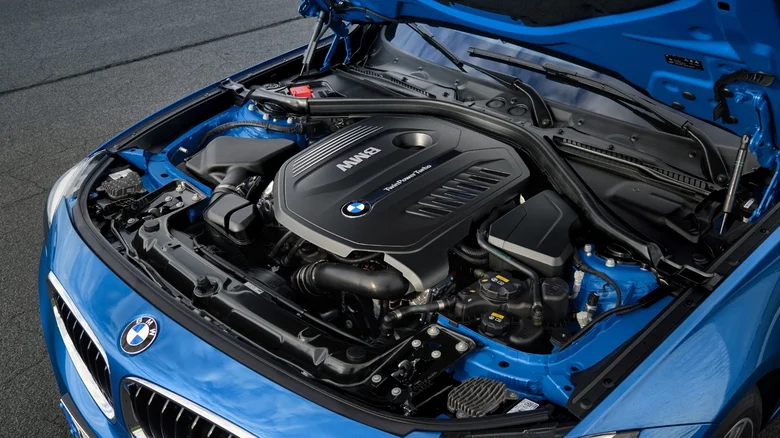
BMW TwinPower Turbo Technology
One of BMW’s most important innovations is TwinPower Turbo technology. This advanced system improves engine performance while maintaining fuel efficiency. Contrary to what the name suggests, TwinPower Turbo does not always mean two turbochargers. Instead, it refers to a combination of technologies that optimize power delivery and fuel consumption.
BMW TwinPower Turbo engines use features such as:
- Turbocharging for increased power
- Direct fuel injection for improved efficiency
- Variable valve timing for smoother operation
- Advanced cooling systems for engine protection
This technology allows smaller engines to produce power levels that were previously only possible with larger engines.
Performance and Driving Experience
BMW engines are famous for delivering an engaging driving experience. The company focuses heavily on maintaining a perfect balance between performance and comfort. Many BMW vehicles feature near-perfect weight distribution, allowing the engine to work harmoniously with the chassis and suspension system.
Acceleration in BMW vehicles is typically smooth and responsive. Turbocharged engines provide strong low-end torque, while higher-performance engines deliver thrilling top-end power. Drivers often praise BMW engines for their refined sound and consistent performance under various driving conditions.
BMW’s M Performance division takes engine performance even further. M engines are specially engineered for motorsport-inspired driving. These engines offer enhanced cooling systems, higher horsepower, and faster throttle response.
Fuel Efficiency and Environmental Responsibility
Modern BMW engines are designed to meet strict environmental standards without sacrificing performance. The company has introduced multiple technologies aimed at improving fuel efficiency and reducing carbon emissions.
Features such as automatic start-stop systems, lightweight engine components, and advanced fuel management systems help BMW vehicles achieve better mileage. Hybrid powertrains also contribute to lower fuel consumption and cleaner emissions.
BMW continues to research alternative fuels and electric mobility solutions. The company’s investment in sustainable engineering reflects the growing demand for environmentally responsible vehicles.
Reliability and Maintenance
BMW engines are known for their advanced engineering, but proper maintenance is essential to ensure long-term reliability. Regular oil changes, cooling system inspections, and timely servicing play a major role in maintaining engine health.
Some BMW engines are praised for exceptional durability, especially the inline-six models. However, like any premium vehicle, BMW engines require high-quality parts and professional maintenance. Owners who follow recommended service schedules often enjoy many years of reliable performance.
Modern BMW engines are equipped with sophisticated onboard diagnostics systems that help identify issues before they become major problems. This technology improves maintenance efficiency and reduces the risk of serious engine damage.
Popular BMW Engine Families
BMW has developed several famous engine families over the years. Some of the most respected include:
BMW B58 Engine
The B58 is a turbocharged inline-six engine known for its reliability and performance. It powers many modern BMW vehicles and has gained praise from automotive experts worldwide.
BMW S58 Engine
The S58 is a high-performance engine used in BMW M models. It delivers exceptional horsepower and is designed for track-level performance.
BMW N52 Engine
The N52 is a naturally aspirated inline-six engine recognized for its smooth operation and strong reliability record.
BMW M Power Engines
BMW M engines are built specifically for performance enthusiasts. These engines are developed using motorsport experience and feature cutting-edge engineering.
The Future of BMW Engines
The future of BMW engines will likely focus on electrification and sustainability. As governments worldwide introduce stricter emissions regulations, BMW continues to adapt by developing cleaner and more efficient powertrains.
Electric vehicles such as the BMW i series represent the next stage of automotive innovation. However, BMW still recognizes the importance of performance-oriented combustion engines. Future BMW models may combine hybrid technology with high-performance engineering to deliver both sustainability and driving excitement.
Hydrogen-powered engines and advanced battery systems may also play a role in BMW’s future strategy. The company’s dedication to research and development ensures that it will remain at the forefront of automotive technology.
Conclusion
BMW engines have earned a legendary status in the automotive industry through decades of innovation, performance, and engineering excellence. From smooth inline-six engines to modern turbocharged and hybrid powertrains, BMW continues to set high standards for quality and driving pleasure.
The company’s commitment to advanced technology, fuel efficiency, and sustainability ensures that BMW engines will remain relevant in the evolving automotive landscape. Whether designed for luxury, efficiency, or motorsport performance, BMW engines continue to deliver an exceptional driving experience that attracts enthusiasts around the world.




 English
 Arabic
 French
 Portuguese
 Deutsch
 Turkish
 Dutch
Dutch
 Italiano
 Russian
 Romaian
 Portuguese (Brazil)
 Greek
Greek