


How to Prevent Overheating in Lithium Battery Systems
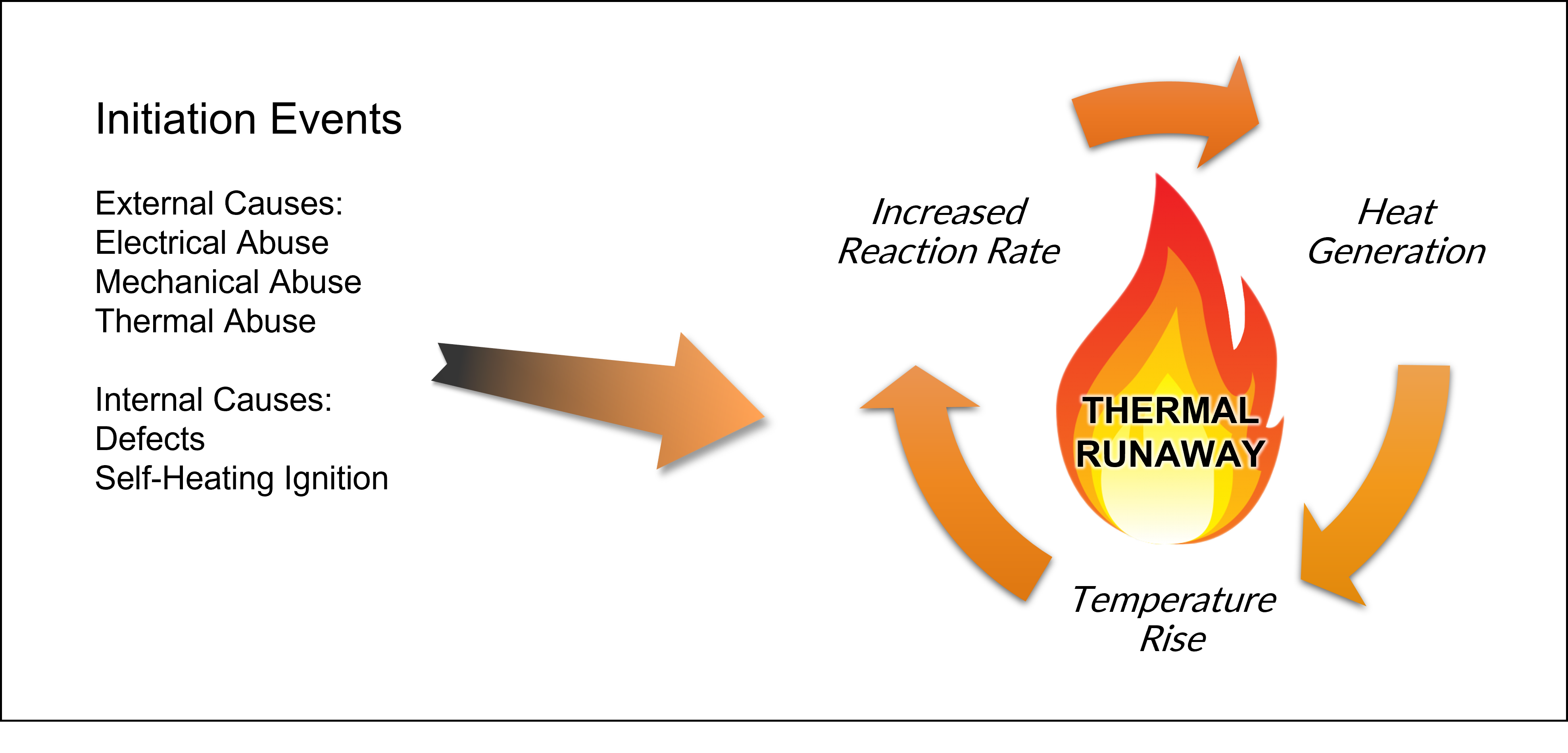
Lithium battery systems are widely used in electric vehicles, golf carts, energy storage units, and portable power solutions due to their high efficiency and long life cycle. However, one of the most critical issues that users must understand is overheating. If not properly managed, overheating can reduce battery life, damage internal components, and in extreme cases, create safety hazards. Learning how to control temperature effectively is essential for safe and long-term performance.
Modern battery systems are equipped with advanced Battery Management Systems (BMS), but user awareness and proper maintenance still play a major role in preventing heat-related issues. This guide explains practical and technical methods to keep lithium battery systems operating within safe temperature limits.
Understanding Heat in Lithium Battery Systems
Lithium batteries generate heat during charging and discharging cycles. This is a normal process caused by internal chemical reactions and electrical resistance. However, when the system is overloaded or poorly maintained, heat levels can rise beyond safe limits.
Overheating usually occurs due to overcharging, high discharge rates, poor ventilation, or environmental conditions. Identifying these causes early helps prevent long-term damage and ensures stable performance.
How to Prevent Overheating in Lithium Battery Systems
When working with electric mobility upgrades like a club car 48v lithium conversion, proper installation and system configuration become extremely important because incorrect wiring or incompatible chargers can easily cause excessive heat buildup during operation or charging cycles.
To prevent overheating, always use manufacturer-recommended chargers and ensure the battery is installed in a well-ventilated compartment. Avoid placing the battery near heat-producing components like motors or controllers. Regularly monitor temperature levels during charging, especially in hot climates, and never allow continuous high-load usage without breaks.
Maintain Proper Charging Practices
Charging is one of the biggest contributors to battery heat. Using the wrong charger or charging too quickly can significantly increase internal temperature.
Always use a smart charger designed specifically for lithium batteries. These chargers regulate voltage and current automatically to prevent overheating. Avoid charging immediately after heavy usage, as the battery may already be warm. Let it cool down before plugging it in.
It is also important not to leave the battery charging overnight without supervision unless the system includes high-quality safety controls.
Ensure Proper Ventilation and Airflow
Heat dissipation is crucial for maintaining safe operating temperatures. Lithium batteries should always be installed in areas with good airflow.
Enclosed or tightly packed battery compartments trap heat and reduce cooling efficiency. In electric vehicles and golf carts, ventilation holes or cooling fans can help maintain stable temperatures during operation.
Keeping airflow consistent allows heat to escape naturally and prevents internal buildup.
Avoid Overloading the Battery System
One of the most common reasons for overheating is excessive load demand. When a battery is forced to supply more power than its rated capacity, internal resistance increases, generating additional heat.
Users should always match battery capacity with the system’s power requirements. Avoid continuous high-speed driving or heavy load usage without giving the system time to cool down.
Proper system sizing is key to maintaining long-term battery health.
Monitor Battery Temperature Regularly
Modern lithium battery systems often include built-in temperature sensors. These sensors help detect abnormal heat levels before they become dangerous.
However, manual monitoring is still important. Regularly check battery performance during use and charging. If you notice unusual heat, reduced efficiency, or warning signals from the system, stop usage immediately and inspect the setup.
Early detection can prevent costly damage.
Avoid Extreme Environmental Conditions
Environmental temperature has a major impact on battery performance. Extremely hot weather increases the risk of overheating, while very cold conditions can affect efficiency and charging behavior.
Try to operate and store lithium battery systems in moderate temperature environments. Avoid leaving vehicles or batteries under direct sunlight for long periods.
If you live in a hot climate, consider adding thermal insulation or cooling systems to protect the battery.
Use High-Quality Battery Components
Not all lithium batteries are built the same. High-quality batteries come with better thermal protection systems and more reliable internal safety mechanisms.
For example, systems like a 48v 50ah lithium battery often include advanced BMS technology that actively manages heat by balancing load distribution and controlling temperature during operation.
Investing in quality components significantly reduces the risk of overheating and improves overall system reliability.
Keep Connections Clean and Secure
Loose or corroded connections increase electrical resistance, which leads to heat buildup. Regular inspection of terminals, wiring, and connectors is essential.
Ensure all connections are tight and free from dust or corrosion. Clean terminals periodically using a dry cloth or approved cleaning solution.
Stable electrical connections ensure smooth energy flow and reduce unnecessary heat generation.
Follow Proper Installation Guidelines
Incorrect installation is one of the hidden causes of overheating in lithium systems. Poor wiring, wrong polarity, or inadequate insulation can create resistance points that generate heat.
Always follow manufacturer installation instructions carefully. If you are upgrading a system, ensure compatibility between all components, including chargers, controllers, and battery packs.
Professional installation is recommended for complex systems.
Allow Cooling Time After Heavy Use
After extended use, lithium batteries naturally become warm. It is important to allow them to cool before recharging or heavy reuse.
This cooling period helps stabilize internal chemistry and prevents stress on battery cells. Ignoring this step can gradually reduce battery lifespan and increase overheating risk.
Conclusion
Preventing overheating in lithium battery systems requires a combination of proper usage, regular maintenance, and high-quality components. By understanding how heat is generated and taking proactive steps to control it, users can significantly extend battery life and ensure safe operation.
Whether you are using advanced systems like a 48v 50ah lithium battery or upgrading your vehicle setup, temperature management should always be a top priority. Proper care not only improves performance but also protects your investment for the long term.
With the right practices in place, lithium battery systems can deliver efficient, reliable, and safe energy for many years without overheating issues.

 English
 Arabic
 French
 Spanish
 Portuguese
 Deutsch
 Turkish
 Dutch
Dutch
 Russian
 Romaian
 Portuguese (Brazil)
 Greek
Greek