


How to Use a Homeschool Chemistry Curriculum for Engaging Lessons
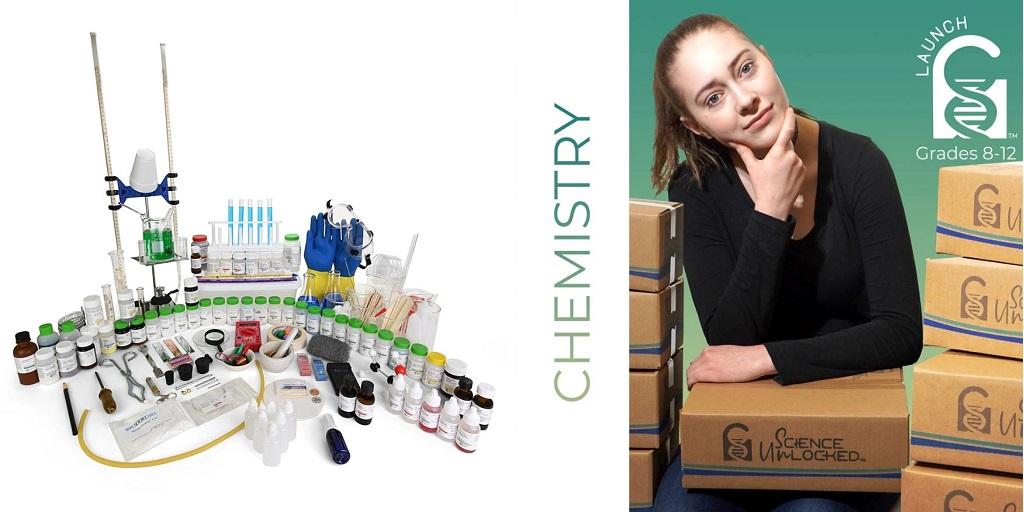
Teaching science at home can feel complex, especially when experiments are involved. A clear structure helps you guide your child step by step. A proper Homeschool Chemistry Curriculum gives you a roadmap and reduces guesswork. It also helps you stay consistent, even on busy days.
Start by setting a weekly rhythm. Choose two or three days for chemistry lessons and keep sessions focused. Short lessons often work better than long ones. You can introduce a concept one day and explore it through an activity the next. This pacing gives your child time to absorb new ideas without feeling rushed.
Hands-on learning makes a big difference. Children understand chemistry faster when they see reactions happen. Simple experiments like mixing baking soda and vinegar can introduce a chemical change. As your child grows, you can include more detailed experiments that explore density, solutions, or energy transfer. Keep materials organized in one place so setup stays quick and stress-free.
Encourage Observation and Questions
Observation is a core chemistry skill. Encourage your child to describe what they see before explaining why it happens. Ask questions like, “What changed?” or “What stayed the same?” This will build curiosity and sharpen attention.
Writing down results also helps. A simple notebook can track experiments, predictions, and outcomes. Your child learns to think like a scientist by recording each step. Over time, this habit strengthens reasoning and pattern recognition.
Let questions guide your lessons when possible. If your child asks why ice melts or why oil and water separate, turn it into a mini lesson. Real-life examples make chemistry easier to relate to daily experiences.
Keep Concepts Clear and Connected
Chemistry includes many abstract ideas, so clarity matters. Use simple language first, then add details as understanding grows. For example, explain atoms as tiny building blocks before introducing more complex structures.
Link new topics to previous lessons. If your child learned about the states of matter, connect that knowledge to changes such as melting or evaporation. These connections help information stick and reduce confusion.
Visual aids can also support learning. Diagrams, charts, and models give your child another way to process information. You can draw simple sketches together or use printed materials to reinforce each topic.
Create a Safe and Prepared Learning Space
Safety is essential in any science activity. Set clear rules before starting experiments. Teach your child how to handle materials carefully and clean up afterwards. Even simple experiments benefit from structure and supervision.
Prepare your workspace ahead of time. Gather all materials before the lesson begins. This keeps the session focused and prevents interruptions. Labeling supplies and storing them properly also saves time in future lessons.
As experiments become more advanced, you can introduce basic safety equipment. Items like goggles and gloves help your child develop responsible habits while working with new substances.
Adapt Lessons to Your Child’s Pace
Every child learns differently. Pay attention to how your child responds to each lesson. If a topic feels challenging, spend extra time reviewing it through examples or activities. If a concept clicks quickly, move forward and build on that momentum.
A Homeschool Chemistry Curriculum supports this flexibility. You can adjust the pace without losing structure. This balance allows your child to feel confident while still progressing steadily.
Celebrate progress along the way. Small successes, like completing an experiment or understanding a new idea, build motivation. Positive feedback encourages your child to stay engaged and curious.
Explore Structured Resources for Continued Learning
As your child gains confidence, structured materials can support deeper learning. Lesson guides and lab kits provide clear instructions and organized experiments. They help you introduce new concepts without needing to design each activity from scratch.
Home Science Tools offers structured options that align lessons with hands-on practice. Their materials include organized experiments and age-appropriate guidance, making it easier to continue building strong chemistry skills at home.
For more information about Science Projects For Kids and Telescope For Kids Please visit: Home Science Tools.

 English
 Arabic
 French
 Spanish
 Portuguese
 Deutsch
 Dutch
Dutch
 Italiano
 Russian
 Romaian
 Portuguese (Brazil)
 Greek
Greek