


Corporate Events That Actually Leave an Impact, Not Just an Impression
Introduction
Corporate events are no longer about filling a room and following a rigid agenda. Today, successful corporate events are designed to create meaning, spark interaction, and align people with a shared purpose. When done right, they become powerful tools for communication, motivation, and long-term brand perception.
Rethinking the Purpose of Corporate Events
At their core, corporate events exist to connect people. Whether the goal is to strengthen internal culture, attract partners, or showcase innovation, every event should start with a clear intention. Instead of asking, “What should we include?” the better question is, “What should attendees feel and remember?” This mindset shift changes everything — from format to execution.
Experience Over Formality
Modern corporate events succeed when they feel human rather than mechanical. Attendees value comfort, authenticity, and opportunities to engage naturally. Interactive sessions, open discussions, and thoughtfully designed spaces encourage participation. When people feel involved instead of instructed, the event becomes memorable rather than forgettable.
Customization Is the New Standard
Generic event formats no longer work. Effective corporate events are tailored to the audience, industry, and company values. From personalized welcome experiences to agenda tracks designed for different roles, customization shows attention to detail. This level of planning helps attendees feel that the event was created for them — not simply scheduled around them.
The Role of Environment in Corporate Events
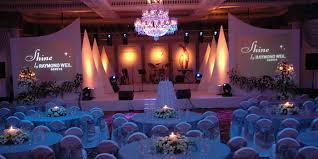
The setting of a corporate event has a strong influence on how information is received. Lighting, layout, sound, and flow all affect focus and energy. A well-designed environment supports conversation, learning, and relaxation at the right moments. The goal is to create a space that enhances interaction rather than distracts from it.
Technology as a Supporting Tool, Not the Main Attraction
Technology plays an important role in modern private event space, but it should never overpower the experience. Digital check-ins, live polling, and hybrid access can improve convenience and engagement when used thoughtfully. The most successful events use technology quietly in the background, allowing human connection to remain the focus.
Corporate Events as Brand Storytelling
Every corporate event tells a story — intentionally or not. From messaging and visuals to speaker selection and pacing, each element reflects how a company sees itself. Strong events communicate values without needing to state them explicitly. Attendees should leave with a clear sense of what the organization stands for and where it is headed.
Measuring Success Beyond Attendance
High attendance does not always equal success. Meaningful corporate events are measured by engagement, feedback, and long-term outcomes. Did conversations continue after the event? Did relationships strengthen? Did ideas turn into action? These indicators reveal far more than headcounts ever could.
The Future Direction of Corporate Events
Corporate events are evolving into more flexible, inclusive, and purpose-driven experiences. Shorter sessions, mixed formats, and wellness-focused elements are becoming increasingly common. Companies are realizing that respecting time and attention is just as important as delivering content.
Final Thoughts: Designing Corporate Events With Intention
Well-executed corporate events don’t feel forced or formulaic. They feel intentional. By focusing on people first — their needs, expectations, and experiences — organizations can transform events into meaningful moments that resonate long after the last session ends.
Check Out More Latest Articles: Click Here

 English
 Arabic
 Spanish
 Portuguese
 Deutsch
 Turkish
 Dutch
Dutch
 Italiano
 Russian
 Romaian
 Portuguese (Brazil)
 Greek
Greek