


How Rising Oil Prices Are Hurting the Global Economy in 2026
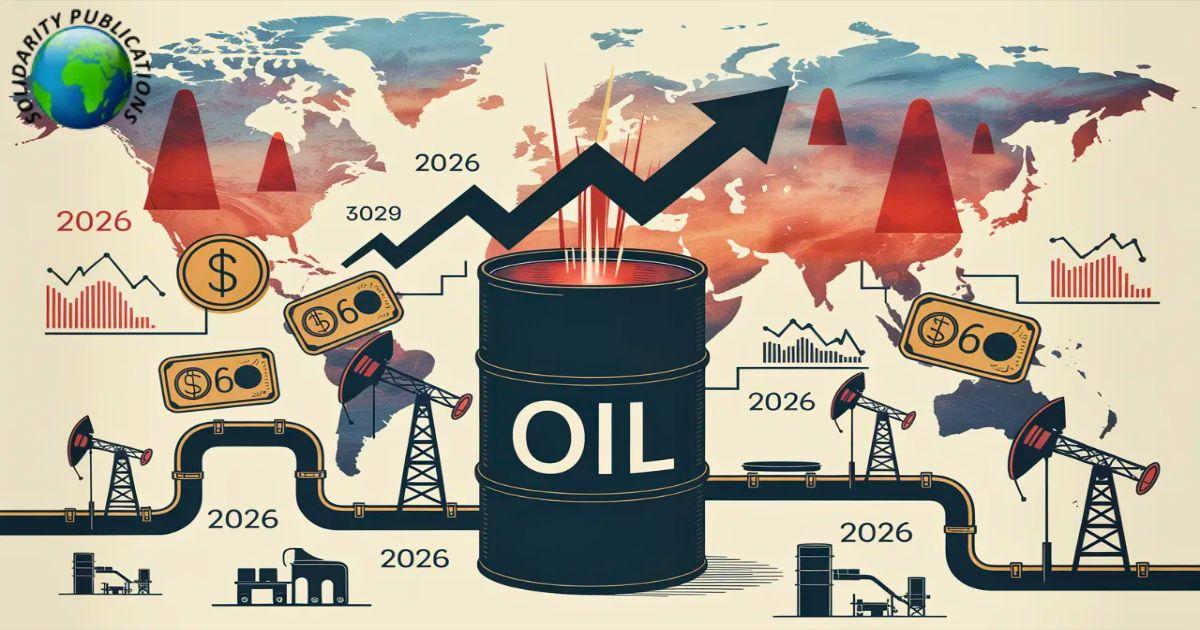
The Global Economy in 2026 faces mounting uncertainty as wars, energy shocks, and trade disputes continue spreading across major regions. Rising fuel prices and fragile supply chains are increasing pressure on businesses and households alike. At the same time, the ongoing global economic instability is weakening consumer confidence and slowing industrial growth. Many countries now struggle with debt, inflation, and unstable markets.
Experts also warn that worldwide economic slowdown risks may deepen if geopolitical tensions continue rising. Meanwhile, higher transport and manufacturing costs are fueling a wider energy-driven economic slowdown across international markets. This changing environment highlights how connected the modern economy has become. One regional conflict can now trigger a massive world economic shock affecting millions worldwide.
Why Rising Oil Prices Are Becoming a Global Economic Threat
Oil prices climbed sharply after military tensions expanded across the Middle East. The market reacted almost instantly. Investors feared a wider geopolitical oil supply disruption around major shipping routes and energy facilities. As a result, fuel became more expensive for both businesses and consumers.
At the same time, many countries still struggle with debt and slow recovery after earlier crises. Higher oil prices now act like a hidden tax on daily life. Airlines pay more for fuel. Factories spend more on production. Families face higher electricity and transport bills. This growing economic impact of oil wars now affects nearly every sector worldwide.
How the Middle East Crisis Is Fueling Oil Market Volatility
The latest conflict near the Strait of Hormuz created immediate panic in energy markets. Around one-fifth of the world’s oil supply passes through this narrow waterway. Even small disruptions there can shake the entire global oil market within hours.
Insurance costs for oil tankers also increased dramatically. Several shipping firms changed routes to avoid danger zones. Consequently, delivery times became longer and freight charges surged. These pressures expanded the ongoing energy transportation crisis and increased fears of a prolonged world economic shock during 2026.
The Connection Between Oil Prices and Inflation in 2026
Fuel prices directly affect the cost of everyday goods. When transport becomes expensive, food prices rise as well. Farmers pay more for machinery and fertilizer. Retail companies then raise prices to protect profits. This cycle strengthens worldwide inflation pressure across both developed and developing economies.
Many central banks hoped inflation would finally slow during 2026. Unfortunately, rising oil costs reversed that progress. Economists now fear another wave of energy-driven economic slowdown because consumers spend more on essentials and less on other products. That weakens retail markets and reduces business growth.
Why Energy-Importing Countries Face Greater Pressure
Countries heavily dependent on imported fuel suffer the most during oil shocks. Nations across Asia and Europe already face serious oil import pressure because they lack large domestic energy reserves. Their economies become vulnerable whenever global supply chains weaken.
Poorer countries experience even harsher consequences. Governments must spend more foreign currency buying fuel while public services lose funding. Several developing nations now face rising debt because of the ongoing global energy dependence tied to imported oil and gas supplies.
How Supply Chain Disruptions Are Damaging Global Trade
Modern trade depends heavily on stable shipping routes. However, attacks near critical sea lanes increased fears around shipping lane security risks during 2026. Cargo delays now affect factories, supermarkets, and technology companies worldwide.
Manufacturers also struggle with raw material shortages. Delivery delays slow production schedules and reduce profits. These disruptions deepen the current trade route disruptions affecting international commerce. Some businesses have even started relocating supply chains to avoid unstable regions.
|
Sector |
Impact of Rising Oil Prices in 2026 |
|
Transportation |
Higher fuel and shipping costs |
|
Agriculture |
Expensive fertilizer and machinery |
|
Manufacturing |
Increased production expenses |
|
Retail |
Higher prices for consumers |
|
Aviation |
Reduced profits and ticket increases |
|
Global Trade |
Delayed cargo shipments |
How Oil Price Surges Are Slowing Economic Growth
Economic growth usually weakens when oil prices rise too quickly. Companies reduce investment because future costs become uncertain. Consumers also spend less money outside basic needs. That combination creates wider global economic turbulence across financial markets.
Several analysts now predict a possible global GDP slowdown if current tensions continue. Financial markets already show signs of stress. Investors fear prolonged instability could trigger larger recession risks later this year. This growing uncertainty continues damaging long-term business confidence worldwide.
The Role of Geopolitical Conflicts in the Energy Crisis
Geopolitical conflicts now influence energy markets more than ordinary supply and demand patterns. Wars, sanctions, and military threats continue shaping the flow of oil across international markets. The current Persian Gulf oil crisis highlights how quickly politics can disrupt economic stability.
At the same time, countries increasingly use energy as a strategic weapon. Export restrictions and shipping blockades now appear more frequently during international disputes. These actions create severe international energy instability and increase fears of future supply shortages.
How Financial Markets Are Reacting to Higher Oil Prices
Stock markets reacted nervously after oil prices crossed new highs in early 2026. Investors moved money toward safer assets because they feared economic decline. This uncertainty increased global market uncertainty across banking and investment sectors.
Meanwhile, airlines, shipping firms, and manufacturing companies reported weaker earnings forecasts. Rising fuel costs continue squeezing profits. Financial experts also warn that sustained oil inflation may create another round of global recession risks if consumer demand keeps slowing.
Can Clean Energy Reduce Future Oil Crises?
Many governments now push renewable energy projects more aggressively. Solar, wind, and nuclear power offer alternatives to unstable fossil fuel markets. These investments may reduce future fuel supply instability and protect economies from sudden oil shocks.
However, the clean energy transition requires time and massive funding. Oil still powers most transport and industrial systems worldwide. Until renewable infrastructure expands further, countries will remain vulnerable to sudden energy trade disruption caused by geopolitical conflicts.
A Real Path to Peace During Global Energy Conflicts
Long-term stability requires more than military responses. Countries must strengthen diplomacy, protect shipping lanes, and reduce dependence on conflict-driven energy systems. Without cooperation, the cycle of economic shocks and political tension will continue growing.
This is where Real Path to Peace becomes deeply relevant. The brand’s message supports dialogue, stability, and peaceful international cooperation instead of endless confrontation. In a world shaped by economic fear and energy rivalry, stronger diplomacy may become the only realistic path toward lasting global balance and security.

 English
 Arabic
 French
 Spanish
 Portuguese
 Deutsch
 Dutch
Dutch
 Italiano
 Russian
 Romaian
 Portuguese (Brazil)
 Greek
Greek