


Steam vs. Diesel: Which Model Steam Train Era Should You Build Your Layout Around?
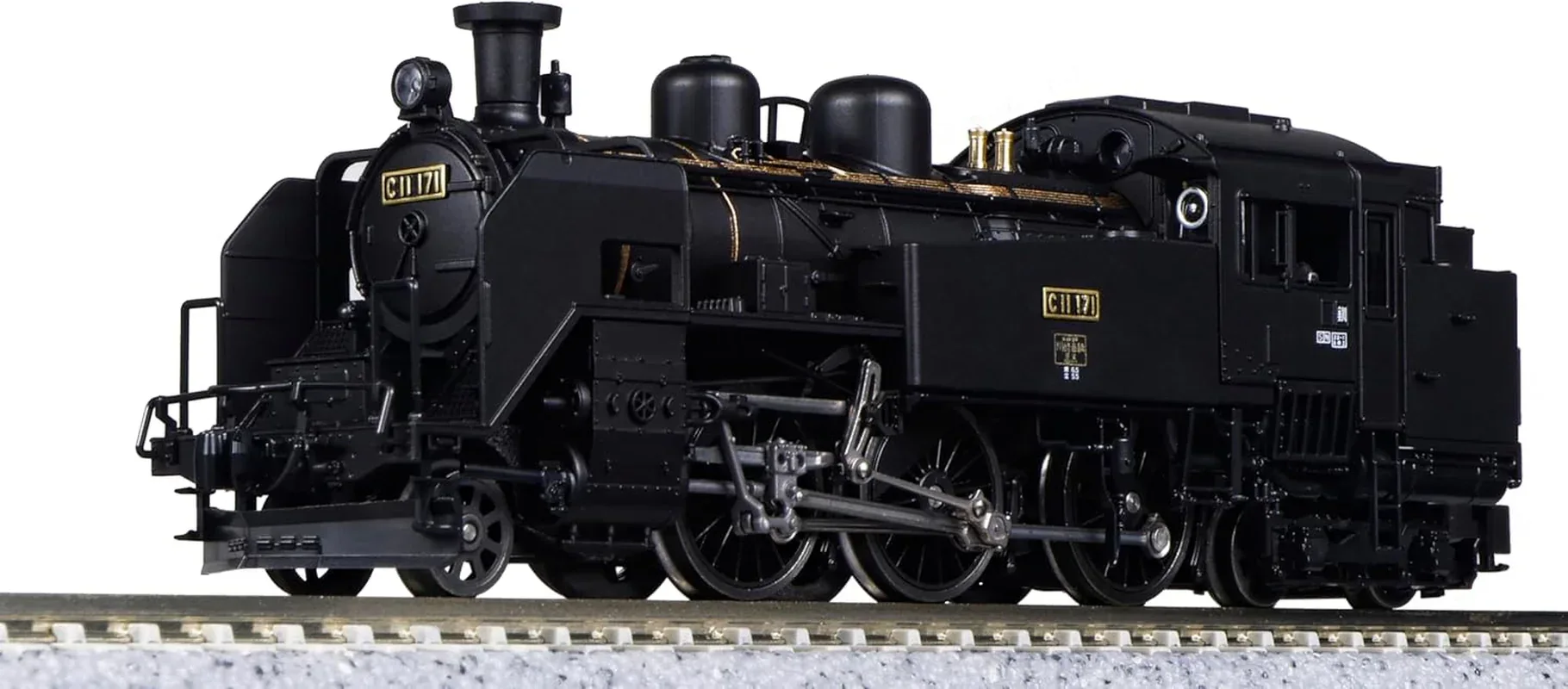
The Era Question Every New Builder Faces
One of the first real decisions you face when planning a new layout is choosing your era. Steam or diesel? It sounds simple, but it shapes everything. Your locomotives, buildings, vehicles, and scenery all need to match. And it directly affects which model train supplies you need before you lay a single piece of track. Getting this right early saves money and keeps your layout looking like it actually belongs together.
What the Steam Era Looks Like
American steam railroading ran roughly from the late 1800s through the mid-1950s. Think small-town depots, wooden water towers, coal yards, and hard-working engines hauling freight through quiet rural landscapes. A model steam train from this period has a lot of visual character. The boiler, the driving wheels, the smokebox. There is nothing else in the hobby that looks quite like it.
What makes the steam era distinct from the rest:
- · Active period runs roughly from the 1880s through the early 1950s
- · Small towns, farms, and rural industries dominate the scenery
- · Wooden and early brick structures fit naturally into the setting
- · Horse-drawn wagons and early cars share the roads
- · Coal depots and water facilities work as realistic layout industries
- · Slower operations suit point-to-point track plans well
What the Diesel Era Looks Like
Diesel took over in the 1950s and never stopped. The feel is completely different. Longer trains, bigger yards, and a more industrial atmosphere. Scenes shift from quiet country towns to busy freight terminals and urban settings. The model train supplies for this era lean toward modern structures, highway vehicles, and container equipment rather than period steam infrastructure. It is a busier, more operational style of layout.
What makes the diesel era different:
- · Covers the 1950s all the way through to today
- · Large yards, warehouses, and highway crossings define the look
- · Semi-trucks, modern cars, and container terminals add realism
- · DCC sound decoders capture the low rumble of diesel engines well
- · Long mixed freight trains suit both loop and point-to-point plans
- · Widest product selection across all major scales
A Direct Comparison
Here is a side-by-side look at how both eras compare across the things that actually matter when you are planning a build.
|
Factor |
Steam Era |
Diesel Era |
|
Scenery style |
Rural, small town, wooded |
Industrial, urban, modern |
|
Locomotive visual detail |
Very distinctive, high character |
Streamlined, less varied |
|
Available products |
Wide selection in HO and On30 |
Widest selection across all scales |
|
Track plan style |
Point-to-point suits it best |
Works well with loops and yards |
|
Beginner friendliness |
Great for smaller layouts |
Better for operations-focused builds |
|
Sound options |
Steam sounds add great atmosphere |
Diesel decoders widely available |
How Space Affects Your Decision
Here's the thing. Space matters more than most people expect when picking an era. Steam layouts work well in smaller areas because the scenes are naturally compact. A depot, a water tower, a grain elevator, and a short run of track tell the whole story.
A model steam train on a simple four-by-eight table with the right model train supplies for period scenery can look genuinely convincing without needing a lot of room.
- · Small spaces suit steam era operations and simple point-to-point layouts
- · Diesel era layouts benefit from more length to show off longer trains
- · N scale diesel setups can work in tighter spaces due to the smaller scale
- · Narrow gauge steam layouts pack a lot of detail into a small footprint
- · Always figure out your space first before committing to either era
How Budget Affects Your Decision
Budget plays a role here too. Steam era model train supplies, including older structure kits, period vehicles, and steam locomotives, are widely available and tend to be more affordable. Bachmann makes solid steam engines at very reasonable prices. Diesel era equipment, especially sound-equipped modern locomotives from Athearn or KATO, costs more upfront. But you do get more operational features for the extra money you spend.
- · Bachmann steam locomotives are great value for beginners and intermediate builders
- · DCC sound-equipped diesel units cost more but deliver a richer running experience
- · Woodland Scenics scenery products work well for both eras without any issue
- · Walthers structure kits cover both periods with a strong variety of options
- · Start with one locomotive and build from there no matter which era you pick
Can You Run Both?
Yes, and a lot of builders do. The transition era, roughly 1945 to 1960, is actually one of the most popular choices in the hobby. It covers the period when steam and early diesel were running side by side. So you can run both without anything looking out of place. It also gives you the widest range of model train supplies to work with because products from both eras overlap naturally during this period.
- · The transition era runs from approximately the mid-1940s to the early 1960s
- · Steam and early diesel coexisted on real railroads during this time
- · Early EMD F-units and Alco switchers mix naturally alongside steam power
- · Period vehicles and structures from both eras overlap convincingly here
- · Good option if you genuinely cannot choose one era over the other
So Which One Should You Pick?
Here's the honest answer. Pick the one that excites you more when you look at photos. If a model steam train winding through a rural mountain scene is what pulls you in, go steam. If long diesel consists moving through an industrial yard is what you actually want to build and run, go diesel.
Neither choice is wrong. And either way, BYMRR Train Store carries the model train supplies, locomotives, and scenery products from Bachmann, KATO, Athearn, Woodland Scenics, and Walthers to help you build it properly.
Start Your Build at BYMRR Train Store
Whether you go steam, diesel, or somewhere in between, BYMRR has what you need. Browse locomotives, rolling stock, structures, and scenery across HO, N, and O scales at BYMRR Store. Free shipping on all orders, easy returns, and a catalog built by real hobbyists who know the hobby well. Head over to the store today and find the products that match your era and your layout vision.

 English
 Arabic
 French
 Spanish
 Portuguese
 Deutsch
 Dutch
Dutch
 Italiano
 Russian
 Romaian
 Portuguese (Brazil)
 Greek
Greek