



Pesquisar

 English
 Arabic
 French
 Spanish
 Deutsch
 Turkish
 Dutch
Dutch
 Italiano
 Russian
 Romaian
 Portuguese (Brazil)
 Greek
Greek
Atualizações Recentes
-
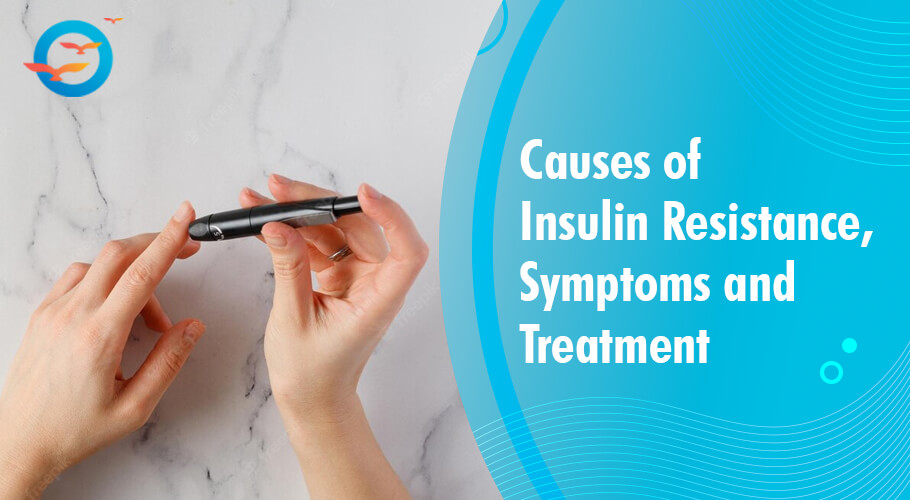
Causes of Insulin Resistance, Symptoms and Treatment
Causes of Insulin Resistance, Symptoms and Treatment
Oftentimes, for reasons we shall see later in this article, the body is unable to respond to the insulin produced in its own pancreas. Now, insulin’s major function is to open the muscle cells in order to allow glucose into the cells. When the cells do not respond to the insulin produced in the body, glucose from the blood cannot enter the cells and blood glucose levels rise. In this article, we take a look at the reasons for this resistance, symptoms, treatment, and prevention.
Understanding insulin resistance (impaired insulin sensitivity)
In a healthy body, food that is consumed is broken down into glucose, which enters the bloodstream, signaling the pancreas to secrete insulin. The insulin acts like a key opening up the cells to allow glucose to enter the cells. Glucose is essential for the creation of energy, however, when cells in the muscles, liver and other tissues do not respond to insulin, the glucose in the blood is unable to enter the cells and this leads to a build-up of glucose in the blood. If left untreated, this progresses to diabetes and brings a host of complications from heart damage to kidney failure.
Excess body fat:
As fat collects in your midsection, known as visceral fat, and spreads to cover organs like the pancreas, liver and kidney, it begins to compromise their functionality, leading to insulin resistance. In addition, this belly fat contributes to inflammation in the body, which is another cause of insulin resistance. A general rule of thumb is that your waist measurement should not exceed half your height. So if you’re 170 cm tall, a waist measurement of 85 cm is your outer threshold.
Browse full blog-
https://www.freedomfromdiabetes.org/blog/post/causes-of-insulin-resistance-symptoms-and-treatment/2835
Contact us :-
Mob : +91-7776077760
Email-Id : [email protected]
Also connect with us on our website , Facebook page, and youtubeCauses of Insulin Resistance, Symptoms and Treatment Causes of Insulin Resistance, Symptoms and Treatment Oftentimes, for reasons we shall see later in this article, the body is unable to respond to the insulin produced in its own pancreas. Now, insulin’s major function is to open the muscle cells in order to allow glucose into the cells. When the cells do not respond to the insulin produced in the body, glucose from the blood cannot enter the cells and blood glucose levels rise. In this article, we take a look at the reasons for this resistance, symptoms, treatment, and prevention. Understanding insulin resistance (impaired insulin sensitivity) In a healthy body, food that is consumed is broken down into glucose, which enters the bloodstream, signaling the pancreas to secrete insulin. The insulin acts like a key opening up the cells to allow glucose to enter the cells. Glucose is essential for the creation of energy, however, when cells in the muscles, liver and other tissues do not respond to insulin, the glucose in the blood is unable to enter the cells and this leads to a build-up of glucose in the blood. If left untreated, this progresses to diabetes and brings a host of complications from heart damage to kidney failure. Excess body fat: As fat collects in your midsection, known as visceral fat, and spreads to cover organs like the pancreas, liver and kidney, it begins to compromise their functionality, leading to insulin resistance. In addition, this belly fat contributes to inflammation in the body, which is another cause of insulin resistance. A general rule of thumb is that your waist measurement should not exceed half your height. So if you’re 170 cm tall, a waist measurement of 85 cm is your outer threshold. Browse full blog- https://www.freedomfromdiabetes.org/blog/post/causes-of-insulin-resistance-symptoms-and-treatment/2835 Contact us :- Mob : +91-7776077760 Email-Id : [email protected] Also connect with us on our website , Facebook page, and youtube0 Comentários 0 Compartilhamentos 18 Visualizações 0 Anterior -
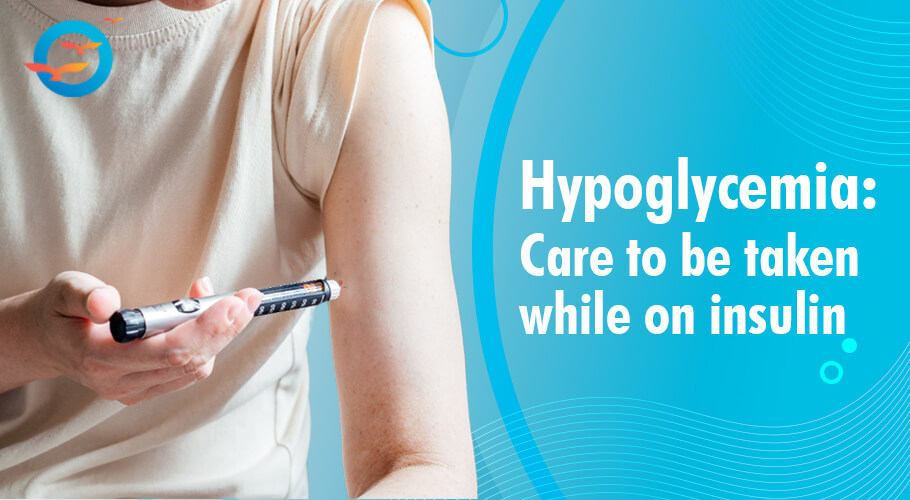
Hypoglycemia: Care to be taken while on insulin
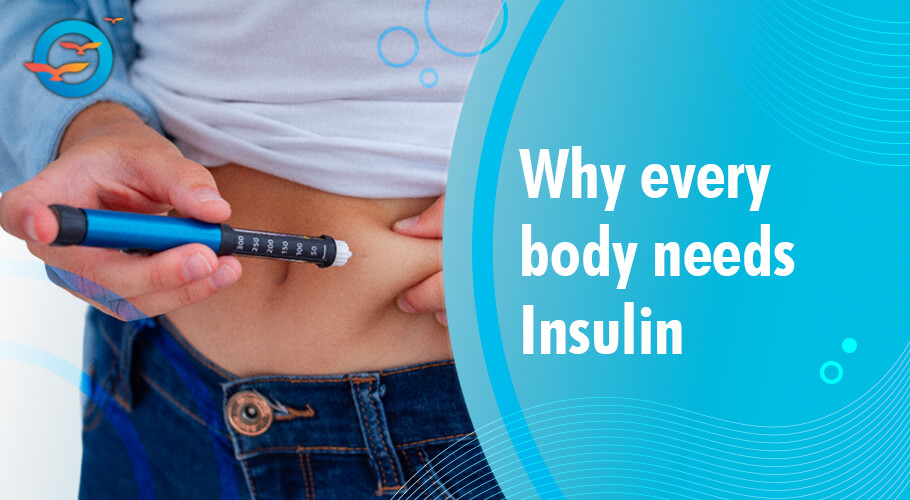
When a person’s pancreas is unable to produce sufficient insulin or their bodies cannot use the insulin produced in their beta cells, which are located in the pancreas, insulin needs to be taken externally. This enables the body to properly absorb the sugar from the food eaten and push the glucose into the cells and organs.
Insulin and hypoglycemia
One of the biggest and most common issues associated with insulin is hypoglycemia—caused by very low blood sugar.
What Causes Hypoglycemia?
Hypoglycemia occurs when your blood sugar levels drop below 70 mg/dl. This can happen for a number of reasons, and they vary from person to person.
Missing a meal, or having it too late
Adverse reaction to other medicines
Over-exercising
Symptoms
Mental:
Anxiety
Nausea
Drowsiness
Confusion
Nervousness
Inability to concentrate
Browse full blog-
https://www.freedomfromdiabetes.org/blog/post/hypoglycemia-care-to-be-taken-while-on-insulin/2808
Contact us :-
Mob : +91-7776077760
Email-Id : [email protected]
Also connect with us on our website , Facebook page, and youtubeHypoglycemia: Care to be taken while on insulin When a person’s pancreas is unable to produce sufficient insulin or their bodies cannot use the insulin produced in their beta cells, which are located in the pancreas, insulin needs to be taken externally. This enables the body to properly absorb the sugar from the food eaten and push the glucose into the cells and organs. Insulin and hypoglycemia One of the biggest and most common issues associated with insulin is hypoglycemia—caused by very low blood sugar. What Causes Hypoglycemia? Hypoglycemia occurs when your blood sugar levels drop below 70 mg/dl. This can happen for a number of reasons, and they vary from person to person. Missing a meal, or having it too late Adverse reaction to other medicines Over-exercising Symptoms Mental: Anxiety Nausea Drowsiness Confusion Nervousness Inability to concentrate Browse full blog- https://www.freedomfromdiabetes.org/blog/post/hypoglycemia-care-to-be-taken-while-on-insulin/2808 Contact us :- Mob : +91-7776077760 Email-Id : [email protected] Also connect with us on our website , Facebook page, and youtube0 Comentários 0 Compartilhamentos 18 Visualizações 0 Anterior -
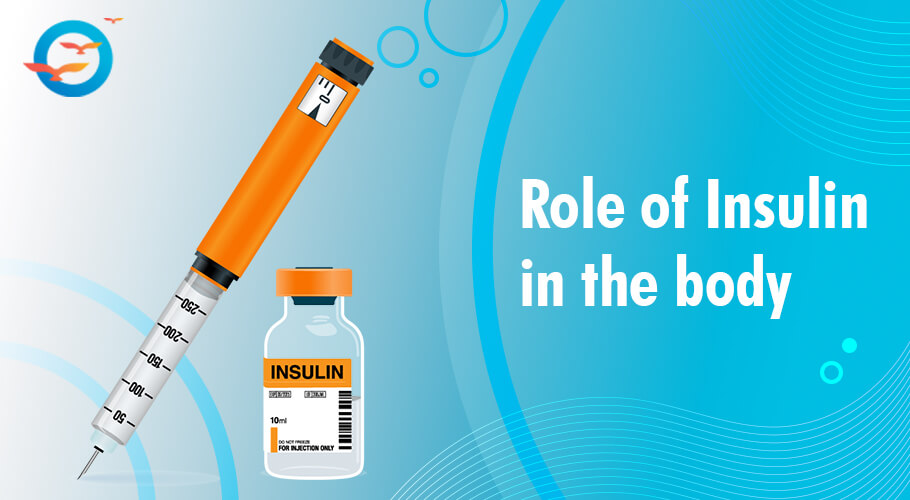
Role of Insulin in human body : FFD
Insulin is a hormone produced by beta cells that are situated in the pancreatic islets of Langerhans. The pancreatic beta cells, being sensitive to blood sugar levels, secrete insulin into the blood when glucose levels are high; and slow or stop the secretion if glucose levels are low.
When you eat, the carbohydrate in your food is converted into glucose which floods the blood circulatory system. This excess of glucose prompts the pancreas to secrete insulin. The insulin unlocks cells in the body, allowing glucose to enter the cells, effectively dropping the concentration of glucose in the blood. About 70% of the glucose is used by your muscular-skeletal system, which is why exercise, especially muscle-building resistance exercises are so important for controlling type 2 diabetes.
In addition to regulating blood sugar levels by sending glucose to muscle cells, insulin converts the excess glucose into fat, which is in effect a store for calories. Thus, when there is a surplus of calories—i.e. when you overconsume food—the glucose that is left over after the body’s cells have been filled is automatically converted into fat. Since diabetics generally have higher concentrations of insulin in the body, their tendency to gain weight is also higher. This is also why insulin-dependent diabetics are often overweight or suffer from obesity.
Insulin is needed to enable the body to store glucose in your muscles or liver and convert excess glucose into fat as storage for future energy requirements. Lack of insulin impairs its ability to perform both these functions In its absence, the fat breaks down to create keto acids, which can trigger diabetic ketoacidosis, a potentially fatal condition, if levels grow too high.
Insulin’s Effect on Different Parts of The Body
1. Brain
There is evidence that suggests that insulin promotes glucose absorption in the tissues of the spinal cord and certain parts of the brain. It also impacts other physiological functions such as memory, cogitation and the ability to keep the brain’s neural network healthy. Thus insulin resistance increases the risk of damage to the cognitive system and the risk of dementia.
2. Kidneys
High blood sugar can damage the tiny renal pathways in the kidney, affecting their ability to filter our creatinine and excrete it via urine. This is why diabetics tend to have high levels of creatinine in their systems. Over time this will lead to kidney damage and ultimately require dialysis or replacement.
Browse full blog-
https://www.freedomfromdiabetes.org/blog/post/role-of-insulin-in-the-human-body-ffd/2787
Contact us :-
Mob : +91-7776077760
Email-Id : [email protected]
Also connect with us on our website , Facebook page, and youtubeRole of Insulin in human body : FFD Insulin is a hormone produced by beta cells that are situated in the pancreatic islets of Langerhans. The pancreatic beta cells, being sensitive to blood sugar levels, secrete insulin into the blood when glucose levels are high; and slow or stop the secretion if glucose levels are low. When you eat, the carbohydrate in your food is converted into glucose which floods the blood circulatory system. This excess of glucose prompts the pancreas to secrete insulin. The insulin unlocks cells in the body, allowing glucose to enter the cells, effectively dropping the concentration of glucose in the blood. About 70% of the glucose is used by your muscular-skeletal system, which is why exercise, especially muscle-building resistance exercises are so important for controlling type 2 diabetes. In addition to regulating blood sugar levels by sending glucose to muscle cells, insulin converts the excess glucose into fat, which is in effect a store for calories. Thus, when there is a surplus of calories—i.e. when you overconsume food—the glucose that is left over after the body’s cells have been filled is automatically converted into fat. Since diabetics generally have higher concentrations of insulin in the body, their tendency to gain weight is also higher. This is also why insulin-dependent diabetics are often overweight or suffer from obesity. Insulin is needed to enable the body to store glucose in your muscles or liver and convert excess glucose into fat as storage for future energy requirements. Lack of insulin impairs its ability to perform both these functions In its absence, the fat breaks down to create keto acids, which can trigger diabetic ketoacidosis, a potentially fatal condition, if levels grow too high. Insulin’s Effect on Different Parts of The Body 1. Brain There is evidence that suggests that insulin promotes glucose absorption in the tissues of the spinal cord and certain parts of the brain. It also impacts other physiological functions such as memory, cogitation and the ability to keep the brain’s neural network healthy. Thus insulin resistance increases the risk of damage to the cognitive system and the risk of dementia. 2. Kidneys High blood sugar can damage the tiny renal pathways in the kidney, affecting their ability to filter our creatinine and excrete it via urine. This is why diabetics tend to have high levels of creatinine in their systems. Over time this will lead to kidney damage and ultimately require dialysis or replacement. Browse full blog- https://www.freedomfromdiabetes.org/blog/post/role-of-insulin-in-the-human-body-ffd/2787 Contact us :- Mob : +91-7776077760 Email-Id : [email protected] Also connect with us on our website , Facebook page, and youtube0 Comentários 0 Compartilhamentos 10 Visualizações 0 Anterior -
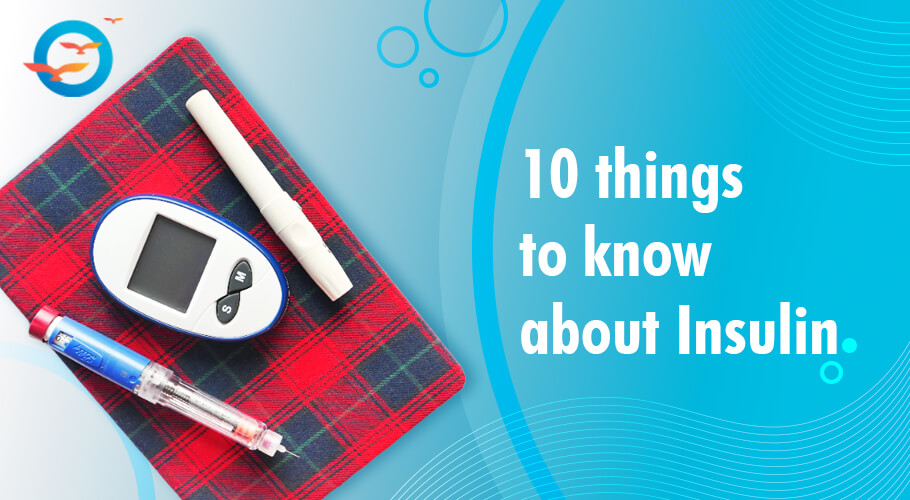
10 Things to Know About Insulin Regular Human Solution Usage
Insulin is a hormone made in your pancreas. Its primary function is to transfer glucose from your bloodstream into your body’s cells, where the glucose is converted into energy. Sometimes, the body is unable to produce sufficient insulin or becomes resistant to its own insulin.
This leads to glucose accumulating in the bloodstream, which in time leads to diabetes. Insulin Regular human is used in conjunction with a healthy diet and exercise to normalize blood sugar levels in patients with Type 1 or Type 2 Diabetes.
It is a short-acting, artificial insulin that is similar to the insulin made in your pancreas. It has the same response to glucose and is used to control BSL and prevent diabetes complications. There is little doubt that insulin is a lifesaver for millions of diabetics worldwide. But, like all prescription drugs, it should be used with care to avoid potentially life-threatening situations.
Here are 10 things every user ought to know about insulin regular human injection usage.
1. Get familiar with preparations, usage, and storage
Always read all the information provided along with the medication. If there is any doubt, always get it cleared by your doctor or pharmacist before using the formulation. Do not change brands of insulin unless advised by your doctor. Do not mix different types of insulin, unless prescribed by the doctor. If this has been prescribed to you, ensure you are well informed about the proper way to mix and inject the mixture.
Insulin must be stored as directed. Exposure to heat or light can damage the solution. So, ensure you keep the medicine in a cool, dark place. If there are other insulin users in the home, make arrangements to store the insulin separately so they don’t get mixed up. Do not freeze insulin. And above all do not use it past its expiry date.
2. Administer only as directed
This medication must not be given in an insulin pump. It must be injected under the skin about half an hour prior to meals. Any delay in having the meal can lead to low blood sugar.
If injecting Insulin regularly into a vein, it should only be done by a doctor or healthcare professional, as there is a risk of very low blood sugar if proper precautions are not taken.
Browse full blog-
https://www.freedomfromdiabetes.org/blog/post/10-things-to-know-about-insulin-regular-human-solution-usage/2833
Contact us :-
Mob : +91-7776077760
Email-Id : [email protected]
Also connect with us on our website , Facebook page, and youtube10 Things to Know About Insulin Regular Human Solution Usage Insulin is a hormone made in your pancreas. Its primary function is to transfer glucose from your bloodstream into your body’s cells, where the glucose is converted into energy. Sometimes, the body is unable to produce sufficient insulin or becomes resistant to its own insulin. This leads to glucose accumulating in the bloodstream, which in time leads to diabetes. Insulin Regular human is used in conjunction with a healthy diet and exercise to normalize blood sugar levels in patients with Type 1 or Type 2 Diabetes. It is a short-acting, artificial insulin that is similar to the insulin made in your pancreas. It has the same response to glucose and is used to control BSL and prevent diabetes complications. There is little doubt that insulin is a lifesaver for millions of diabetics worldwide. But, like all prescription drugs, it should be used with care to avoid potentially life-threatening situations. Here are 10 things every user ought to know about insulin regular human injection usage. 1. Get familiar with preparations, usage, and storage Always read all the information provided along with the medication. If there is any doubt, always get it cleared by your doctor or pharmacist before using the formulation. Do not change brands of insulin unless advised by your doctor. Do not mix different types of insulin, unless prescribed by the doctor. If this has been prescribed to you, ensure you are well informed about the proper way to mix and inject the mixture. Insulin must be stored as directed. Exposure to heat or light can damage the solution. So, ensure you keep the medicine in a cool, dark place. If there are other insulin users in the home, make arrangements to store the insulin separately so they don’t get mixed up. Do not freeze insulin. And above all do not use it past its expiry date. 2. Administer only as directed This medication must not be given in an insulin pump. It must be injected under the skin about half an hour prior to meals. Any delay in having the meal can lead to low blood sugar. If injecting Insulin regularly into a vein, it should only be done by a doctor or healthcare professional, as there is a risk of very low blood sugar if proper precautions are not taken. Browse full blog- https://www.freedomfromdiabetes.org/blog/post/10-things-to-know-about-insulin-regular-human-solution-usage/2833 Contact us :- Mob : +91-7776077760 Email-Id : [email protected] Also connect with us on our website , Facebook page, and youtube0 Comentários 0 Compartilhamentos 8 Visualizações 0 Anterior -
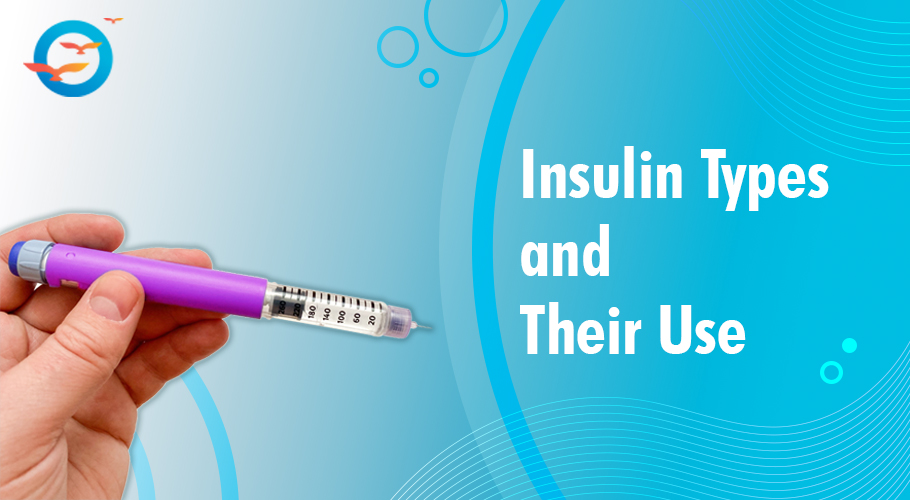
Insulin Types and Their Use
Insulin types are broadly classified on the speed with which they take effect and how long they last. Each type is used in a specific circumstance, and to understand which one to use, it is necessary to understand the necessity of insulin.
Insulin is a hormone produced inside beta cells that are situated in the Islets of Langerhans in the pancreas. When you consume food, there is a rise in blood sugar, which triggers a release of insulin.
The beta cells actually produce a molecule known as proinsulin, this has two constituents: C-peptide and insulin. C-peptide volume tells us how much insulin a person is producing. This is very important in deciding treatment and prescribing insulin dose.
Sometimes the pancreas does not produce any—or very little—insulin, this condition is called Type 1 Diabetes. In such cases, the patient needs externally administered insulin shots to be able to use glucose consumed in meals.
People with type 2 diabetes, on the other hand, do produce insulin, but their bodies are unable to use this insulin, due to a chronic condition called insulin resistance. Unlike Type 1 Diabetes, this condition can be managed and even reversed with proper diet-exercise-stress management. If left unmanaged, or inadequately managed, Type 2 Diabetes patients, too, require insulin shots.
Now, the body needs to be able to manage the glucose levels in the blood through the day and night, as well as during meals when there is a sudden overload of glucose. Different types of insulin take care of these needs.
Browse full blog-
https://www.freedomfromdiabetes.org/blog/post/insulin-types-and-their-use/2822
Contact us :-
Mob : +91-7776077760
Email-Id : [email protected]
Also connect with us on our website , Facebook page, and youtube
Insulin Types and Their Use Insulin types are broadly classified on the speed with which they take effect and how long they last. Each type is used in a specific circumstance, and to understand which one to use, it is necessary to understand the necessity of insulin. Insulin is a hormone produced inside beta cells that are situated in the Islets of Langerhans in the pancreas. When you consume food, there is a rise in blood sugar, which triggers a release of insulin. The beta cells actually produce a molecule known as proinsulin, this has two constituents: C-peptide and insulin. C-peptide volume tells us how much insulin a person is producing. This is very important in deciding treatment and prescribing insulin dose. Sometimes the pancreas does not produce any—or very little—insulin, this condition is called Type 1 Diabetes. In such cases, the patient needs externally administered insulin shots to be able to use glucose consumed in meals. People with type 2 diabetes, on the other hand, do produce insulin, but their bodies are unable to use this insulin, due to a chronic condition called insulin resistance. Unlike Type 1 Diabetes, this condition can be managed and even reversed with proper diet-exercise-stress management. If left unmanaged, or inadequately managed, Type 2 Diabetes patients, too, require insulin shots. Now, the body needs to be able to manage the glucose levels in the blood through the day and night, as well as during meals when there is a sudden overload of glucose. Different types of insulin take care of these needs. Browse full blog- https://www.freedomfromdiabetes.org/blog/post/insulin-types-and-their-use/2822 Contact us :- Mob : +91-7776077760 Email-Id : [email protected] Also connect with us on our website , Facebook page, and youtube0 Comentários 0 Compartilhamentos 8 Visualizações 0 Anterior -
Insulin Explained: Why It’s Crucial for Diabetics
Insulin. Is it a hormone or an enzyme, and why does it matter?
Given that insulin is a chemical that activates a biological function, it is natural to wonder whether it is an enzyme or a hormone. Whereas both enzymes and hormones are chemicals and both are needed to activate biological functions, there is a critical difference between the two. Enzymes are basically catalysts, while hormones are like messengers who stimulate certain reactions in the body.
Thus, insulin is a hormone and not an enzyme. Its presence in the blood enables glucose to enter the body’s cells, where it is used to create energy.
Causes of insulin resistance
Sometimes the insulin produced in the body stops functioning effectively. I.e. it is unable to open cells for glucose in the blood to enter. This leads to an accumulation of glucose in the blood, which is what we call High Blood Sugar. Over time, if ignored or inadequately treated this will result in diabetes and all the ills that diabetes brings, including high BP, kidney disorders, cardiac damage, etc.
Insulin types and their uses
Sometimes, as in the case of Type 1 diabetes, it is not possible to manage the condition with diet, exercise and stress management, and even oral medication. In these cases, external administration of insulin is required. However, as we know, blood sugar management is a 24x7 affair. In other words, the body needs to maintain normal glucose levels day and night, during meals, to do this efficiently the body needs insulin for long-term needs as well as when there is a large intake of glucose, i.e. mealtimes.
Browse full blog-
https://www.freedomfromdiabetes.org/blog/post/diabetic-insulin-and-its-importance/2834
Contact us :-
Mob : +91-7776077760
Email-Id : [email protected]
Also connect with us on our website , Facebook page, and youtube
Insulin Explained: Why It’s Crucial for Diabetics Insulin. Is it a hormone or an enzyme, and why does it matter? Given that insulin is a chemical that activates a biological function, it is natural to wonder whether it is an enzyme or a hormone. Whereas both enzymes and hormones are chemicals and both are needed to activate biological functions, there is a critical difference between the two. Enzymes are basically catalysts, while hormones are like messengers who stimulate certain reactions in the body. Thus, insulin is a hormone and not an enzyme. Its presence in the blood enables glucose to enter the body’s cells, where it is used to create energy. Causes of insulin resistance Sometimes the insulin produced in the body stops functioning effectively. I.e. it is unable to open cells for glucose in the blood to enter. This leads to an accumulation of glucose in the blood, which is what we call High Blood Sugar. Over time, if ignored or inadequately treated this will result in diabetes and all the ills that diabetes brings, including high BP, kidney disorders, cardiac damage, etc. Insulin types and their uses Sometimes, as in the case of Type 1 diabetes, it is not possible to manage the condition with diet, exercise and stress management, and even oral medication. In these cases, external administration of insulin is required. However, as we know, blood sugar management is a 24x7 affair. In other words, the body needs to maintain normal glucose levels day and night, during meals, to do this efficiently the body needs insulin for long-term needs as well as when there is a large intake of glucose, i.e. mealtimes. Browse full blog- https://www.freedomfromdiabetes.org/blog/post/diabetic-insulin-and-its-importance/2834 Contact us :- Mob : +91-7776077760 Email-Id : [email protected] Also connect with us on our website , Facebook page, and youtube0 Comentários 0 Compartilhamentos 6 Visualizações 0 Anterior -
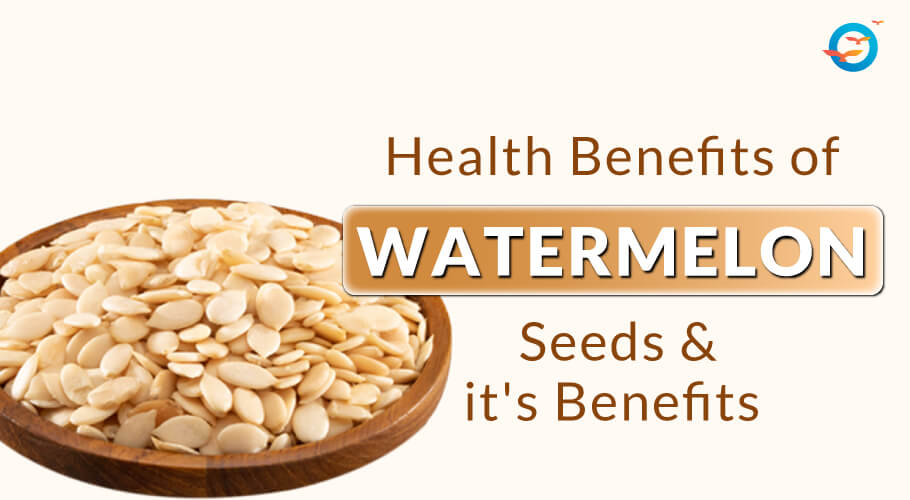
Amazing Health Benefits of Watermelon Seeds
Health Benefits of Watermelon Seeds
Watermelon is a fruit that we relish during summertime or we can also say it is a summertime favorite. The edible part is sweet and juicy red with black seeds. We mostly tend to neglect the seeds and eat the flesh.
Benefits of Watermelon Seeds:
1. Low calorie
Low in calories. Watermelon seeds if taken in a handful weigh about 4 grams and provide just 23 calories which is much more than a bag of potato chips!
2. Magnesium
Contain a good amount of magnesium in them with 4 g containing 21 mg of magnesium.
Magnesium is very important for the body's several metabolic functions and also for maintaining nerve and muscle function.
3. Iron
A very important component of hemoglobin is iron and a handful of watermelon seeds have 0.29 mg of iron which forms 1.6 percent of the daily value.
How to consume watermelon seeds?
Watermelon seeds taste best when roasted. You can mix them with other seeds or have them separately as snacks. Thus, watermelon seeds are not only good for health but can also help diabetics due to their nutritional contents. They are low in calories and can be a great replacement for any unhealthy snack.
Browse full blog-
https://www.freedomfromdiabetes.org/blog/post/amazing-health-benefits-of-watermelon-seeds%20/1535
Contact us :-
Mob : +91-7776077760
Email-Id : [email protected]
Also connect with us on our website , Facebook page, and youtube
Amazing Health Benefits of Watermelon Seeds Health Benefits of Watermelon Seeds Watermelon is a fruit that we relish during summertime or we can also say it is a summertime favorite. The edible part is sweet and juicy red with black seeds. We mostly tend to neglect the seeds and eat the flesh. Benefits of Watermelon Seeds: 1. Low calorie Low in calories. Watermelon seeds if taken in a handful weigh about 4 grams and provide just 23 calories which is much more than a bag of potato chips! 2. Magnesium Contain a good amount of magnesium in them with 4 g containing 21 mg of magnesium. Magnesium is very important for the body's several metabolic functions and also for maintaining nerve and muscle function. 3. Iron A very important component of hemoglobin is iron and a handful of watermelon seeds have 0.29 mg of iron which forms 1.6 percent of the daily value. How to consume watermelon seeds? Watermelon seeds taste best when roasted. You can mix them with other seeds or have them separately as snacks. Thus, watermelon seeds are not only good for health but can also help diabetics due to their nutritional contents. They are low in calories and can be a great replacement for any unhealthy snack. Browse full blog- https://www.freedomfromdiabetes.org/blog/post/amazing-health-benefits-of-watermelon-seeds%20/1535 Contact us :- Mob : +91-7776077760 Email-Id : [email protected] Also connect with us on our website , Facebook page, and youtube0 Comentários 0 Compartilhamentos 6 Visualizações 0 Anterior -
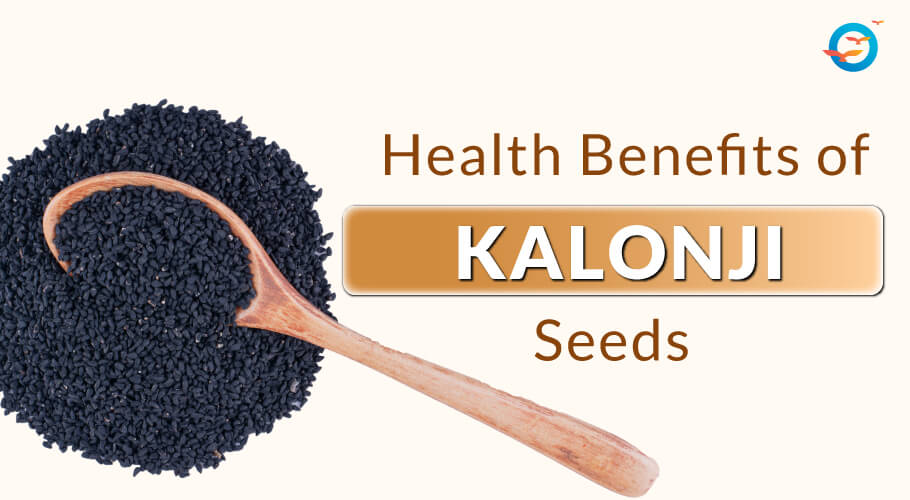
Health benefits of Kalonji seeds
What Are the Benefits of Kalonji Seeds?
Seeds are a powerhouse of nutrients and we all know the importance of seeds in our diet. Watermelon, sesame, sunflower, flaxseeds, chia, and kalonji is a list of a few seeds that are very good for health.
Today, we are going to learn about kalonji seeds and how to eat them
Kalonji whose scientific name is Nigella sativa is also called black cumin or nigella seeds in Hindi, Roman coriander, black caraway, fennel flower, and nutmeg flower is its English names.
Browse full blog-
https://www.freedomfromdiabetes.org/blog/post/health-benefits-of-kalonji-seeds/383
Contact us :-
Mob : +91-7776077760
Email-Id : [email protected]
Also connect with us on our website , Facebook page, and youtubeHealth benefits of Kalonji seeds What Are the Benefits of Kalonji Seeds? Seeds are a powerhouse of nutrients and we all know the importance of seeds in our diet. Watermelon, sesame, sunflower, flaxseeds, chia, and kalonji is a list of a few seeds that are very good for health. Today, we are going to learn about kalonji seeds and how to eat them Kalonji whose scientific name is Nigella sativa is also called black cumin or nigella seeds in Hindi, Roman coriander, black caraway, fennel flower, and nutmeg flower is its English names. Browse full blog- https://www.freedomfromdiabetes.org/blog/post/health-benefits-of-kalonji-seeds/383 Contact us :- Mob : +91-7776077760 Email-Id : [email protected] Also connect with us on our website , Facebook page, and youtube0 Comentários 0 Compartilhamentos 4 Visualizações 0 Anterior -
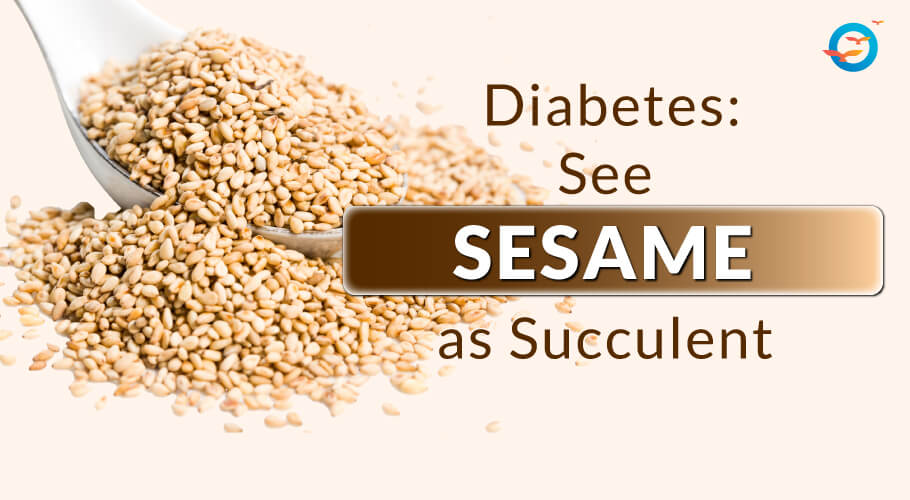
Sesame Seeds and its benefits in Diabetes
What does "Open sesame " remind you of?
For most of us, it reminds us of Alibaba and his 40 thieves tale. It is a term used in the story of Alibaba to open the den of the robber.
I would say "Open sesame...open sesame " to open the door to the den called "Health" by incorporating sesame seeds into the diet. it have many benefits and have been used in folk medicine for several hundred years.
They are available in 2 types-
1. White/Natural sesame seeds
2. Black sesame seeds
Compared to other similar crops like soybean, rapeseed, and peanuts, sesame seeds are believed to have a lot of oil.
These are a good source of vitamins, antioxidants, and proteins.
Sesame seeds calories per 100 g - 573 calories
Health Benefits of sesame seeds:
Sesame seeds help in reducing risk factors for heart disease.
Hulled sesame seeds are a good protein source useful in building blocks for your body.
These have high magnesium which helps in lowering blood pressure. Antioxidants present in them may help prevent plaque buildup.
Unhulled seeds are rich in nutrients good for bone health which have a high amount of calcium.
Absorption of the minerals is enhanced by roasting, spouting, or soaking sesame seeds.
These seeds and their oil help reduce inflammation.
Thiamine, vitamin B6, and niacin present in sesame seeds help in necessary cellular function and metabolism.
Sesame seeds provide vitamin B6, copper, and iron required for blood cell function and formation.
Sesame seeds may help in blood sugar control due to high-quality protein and healthy fats.
If you carefully go through the benefits of black sesame seeds you will realize that they are very much helpful in conditions leading to diabetes.
Like they help in maintaining blood pressure due to their magnesium, help reduce inflammation, have antioxidants to combat oxidative stress, and their quality of being high in protein and healthy fats makes them special.
Browse full blog-
https://www.freedomfromdiabetes.org/blog/post/sesame-seeds-and-its-benefits-in-diabetes/366
Contact us :-
Mob : +91-7776077760
Email-Id : [email protected]
Also connect with us on our website , Facebook page, and youtube
Sesame Seeds and its benefits in Diabetes What does "Open sesame " remind you of? For most of us, it reminds us of Alibaba and his 40 thieves tale. It is a term used in the story of Alibaba to open the den of the robber. I would say "Open sesame...open sesame " to open the door to the den called "Health" by incorporating sesame seeds into the diet. it have many benefits and have been used in folk medicine for several hundred years. They are available in 2 types- 1. White/Natural sesame seeds 2. Black sesame seeds Compared to other similar crops like soybean, rapeseed, and peanuts, sesame seeds are believed to have a lot of oil. These are a good source of vitamins, antioxidants, and proteins. Sesame seeds calories per 100 g - 573 calories Health Benefits of sesame seeds: Sesame seeds help in reducing risk factors for heart disease. Hulled sesame seeds are a good protein source useful in building blocks for your body. These have high magnesium which helps in lowering blood pressure. Antioxidants present in them may help prevent plaque buildup. Unhulled seeds are rich in nutrients good for bone health which have a high amount of calcium. Absorption of the minerals is enhanced by roasting, spouting, or soaking sesame seeds. These seeds and their oil help reduce inflammation. Thiamine, vitamin B6, and niacin present in sesame seeds help in necessary cellular function and metabolism. Sesame seeds provide vitamin B6, copper, and iron required for blood cell function and formation. Sesame seeds may help in blood sugar control due to high-quality protein and healthy fats. If you carefully go through the benefits of black sesame seeds you will realize that they are very much helpful in conditions leading to diabetes. Like they help in maintaining blood pressure due to their magnesium, help reduce inflammation, have antioxidants to combat oxidative stress, and their quality of being high in protein and healthy fats makes them special. Browse full blog- https://www.freedomfromdiabetes.org/blog/post/sesame-seeds-and-its-benefits-in-diabetes/366 Contact us :- Mob : +91-7776077760 Email-Id : [email protected] Also connect with us on our website , Facebook page, and youtube0 Comentários 0 Compartilhamentos 6 Visualizações 0 Anterior -
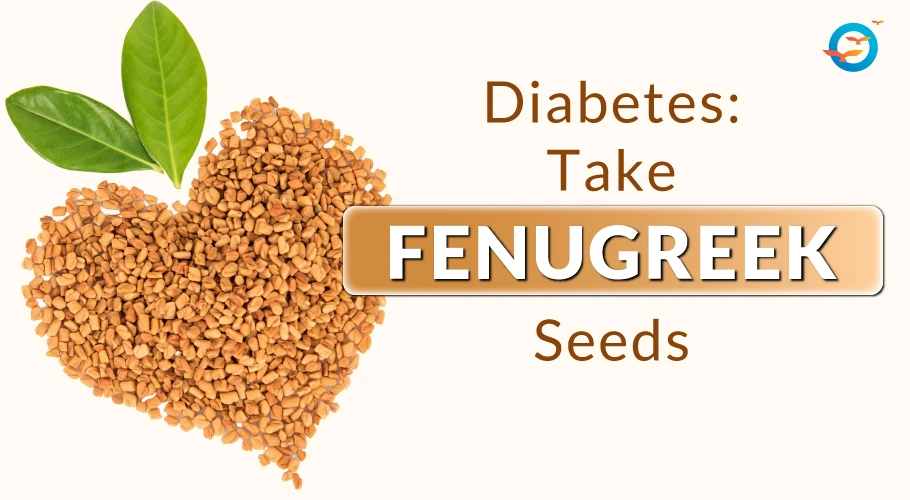
Fenugreek Seeds benefits in Diabetes
Fenugreek Seeds for type 2 diabetes
The most commonly used food items are grains, vegetables, fruits, animal products. All of us will agree that seeds fall into much neglected and underused categories. But it should not be so actually seeds are a "powerhouse" of lots of vitamins, minerals, and antioxidants and should be included in the daily dietary regime.
Let us first know about nutrition facts for 1 teaspoon or 3.7 grams (g) of fenugreek seeds:
Calories: 12 Phosphorus: 11mg
Protein: 0.85g Potassium: 28mg
Total fat: 0.24g Zinc: 0.09mg
Carbohydrates: 2.16g Vitamin C: 0.1mg
Total dietary fiber: 0.9g Thiamin: 0.012mg
Cholesterol: 0 milligrams (mg) Riboflavin: 0.014mg
Sodium: 2mg Niacin: 0.061mg
Calcium: 7mg Vitamin B-6: 0.022mg
Iron: 1.24mg Folate, DFE: 2 micrograms (µg)
Magnesium: 7mg Vitamin A - 2 international units
Browse full blog-
https://www.freedomfromdiabetes.org/blog/post/fenugreek-seeds-benefits-in-diabetes/1421
Contact us :-
Mob : +91-7776077760
Email-Id : [email protected]
Also connect with us on our website , Facebook page, and youtubeFenugreek Seeds benefits in Diabetes Fenugreek Seeds for type 2 diabetes The most commonly used food items are grains, vegetables, fruits, animal products. All of us will agree that seeds fall into much neglected and underused categories. But it should not be so actually seeds are a "powerhouse" of lots of vitamins, minerals, and antioxidants and should be included in the daily dietary regime. Let us first know about nutrition facts for 1 teaspoon or 3.7 grams (g) of fenugreek seeds: Calories: 12 Phosphorus: 11mg Protein: 0.85g Potassium: 28mg Total fat: 0.24g Zinc: 0.09mg Carbohydrates: 2.16g Vitamin C: 0.1mg Total dietary fiber: 0.9g Thiamin: 0.012mg Cholesterol: 0 milligrams (mg) Riboflavin: 0.014mg Sodium: 2mg Niacin: 0.061mg Calcium: 7mg Vitamin B-6: 0.022mg Iron: 1.24mg Folate, DFE: 2 micrograms (µg) Magnesium: 7mg Vitamin A - 2 international units Browse full blog- https://www.freedomfromdiabetes.org/blog/post/fenugreek-seeds-benefits-in-diabetes/1421 Contact us :- Mob : +91-7776077760 Email-Id : [email protected] Also connect with us on our website , Facebook page, and youtube0 Comentários 0 Compartilhamentos 8 Visualizações 0 Anterior -
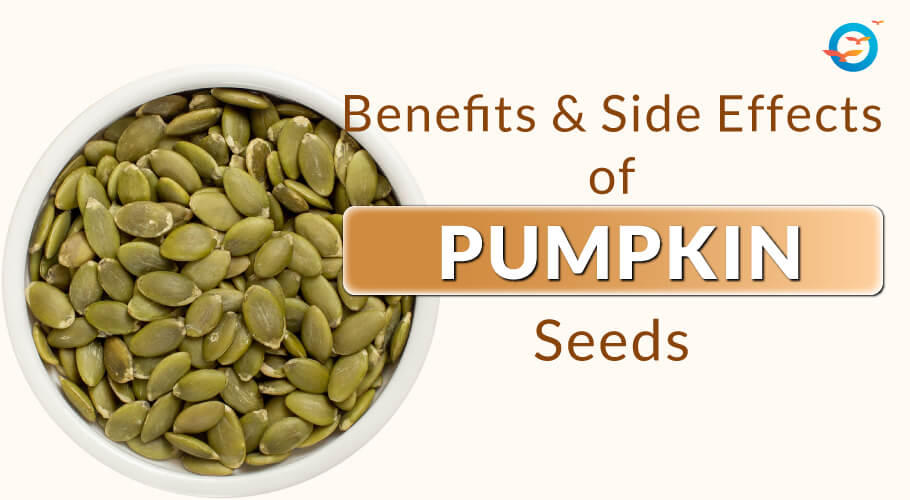
Is Pumpkin Seed Good for Diabetes?
Health Benefits of Pumpkin Seeds
Pumpkins are attractive due to their rounded structure and beautiful yellow-orange color. Not only the recipes prepared from them are tasty but kids also love them as they can perform various kids' activities with pumpkins.
There is a lot of confusion about the category in which Pumpkin must be considered. Is it a gourd, is it a vegetable, is it squash or is it a fruit?
In whatever way you are consuming pumpkin, it is the right move.
Pumpkin seeds benefits
• Pumpkin seeds are a rich source of iron, magnesium, antioxidants, zinc, and many other nutrients that help in maintaining good heart health.
• Antioxidants can not only protect cells from harmful free radicals but also reduce inflammation.
• Pumpkin seeds are found to be helpful in reducing symptoms of overactive bladder and benign prostate enlargement.
• Pumpkin seeds are also found to help prevent certain types of cancer.
• Pumpkin seeds contain healthy magnesium necessary for blood sugar levels, blood pressure, bone, and heart health.
• Pumpkin seeds are found to increase nitric oxide generation in one's body which is very good for heart health.
Nitric oxide helps in many ways like in expansion of blood vessels, improving blood flow, and reducing plaque growth in your arteries.
Browse full blog-
https://www.freedomfromdiabetes.org/blog/post/can-a-diabetic-eat-pumpkin-seeds/1524
Contact us :-
Mob : +91-7776077760
Email-Id : [email protected]
Also connect with us on our website , Facebook page, and youtubeIs Pumpkin Seed Good for Diabetes? Health Benefits of Pumpkin Seeds Pumpkins are attractive due to their rounded structure and beautiful yellow-orange color. Not only the recipes prepared from them are tasty but kids also love them as they can perform various kids' activities with pumpkins. There is a lot of confusion about the category in which Pumpkin must be considered. Is it a gourd, is it a vegetable, is it squash or is it a fruit? In whatever way you are consuming pumpkin, it is the right move. Pumpkin seeds benefits • Pumpkin seeds are a rich source of iron, magnesium, antioxidants, zinc, and many other nutrients that help in maintaining good heart health. • Antioxidants can not only protect cells from harmful free radicals but also reduce inflammation. • Pumpkin seeds are found to be helpful in reducing symptoms of overactive bladder and benign prostate enlargement. • Pumpkin seeds are also found to help prevent certain types of cancer. • Pumpkin seeds contain healthy magnesium necessary for blood sugar levels, blood pressure, bone, and heart health. • Pumpkin seeds are found to increase nitric oxide generation in one's body which is very good for heart health. Nitric oxide helps in many ways like in expansion of blood vessels, improving blood flow, and reducing plaque growth in your arteries. Browse full blog- https://www.freedomfromdiabetes.org/blog/post/can-a-diabetic-eat-pumpkin-seeds/1524 Contact us :- Mob : +91-7776077760 Email-Id : [email protected] Also connect with us on our website , Facebook page, and youtube0 Comentários 0 Compartilhamentos 8 Visualizações 0 Anterior -
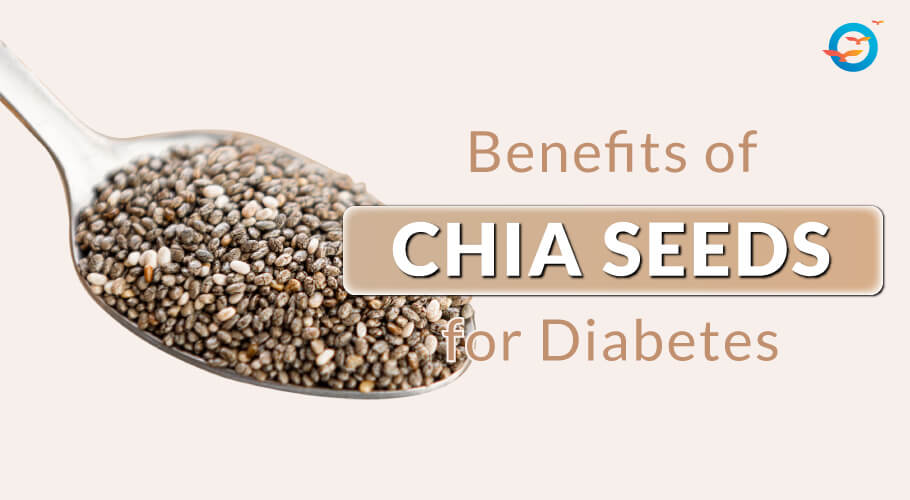
Chia Seeds benefits for Diabetes
Health Benefits of Chia Seeds
You must have heard the common phrase "Chota packet bada dhamaka" There are certain people, items, things, foods which even though are small compared to others have great qualities in them and we just can't ignore them. Chia seeds are one such food item.
Chia seeds are small seeds black in color obtained from the plant Salvia hispanica. It is an important food due to its ability to provide sustainable energy. The fact is it has got its name “chia” from a Mayan word for “strength.”
Chia Seeds Benefits
1. Loaded with antioxidants
Chia seeds supersede others due to their high antioxidant content in such a tiny state.
Antioxidants are of great help in protecting the delicate fats present in the seeds along with various health benefits.
2. Interesting fact about carbohydrates in chia seeds
If you take 28 grams of chia seeds you will get 12 grams of carbs and out of the 11 grams of fiber is non-digestible and neither raises blood sugar nor requires insulin for it.
How to use chia seeds in the diet?
Since the seeds taste is bland, we can add them to any food item.
One can have chia seeds in the raw form or soaked and used in a smoothie also. One can sprinkle them on salads.
You want to know about sesame seeds benefits for diabetes, visit here.
To summarize, chia seeds are rich in fiber, antioxidants, nutrients, omega-3 fat very much useful for everybody's good health.
Interestingly, most of its qualities help people with diabetes also.
Browse full blog-
https://www.freedomfromdiabetes.org/blog/post/chia-seeds-benefits-in-diabetes-controlling/1547
Contact us :-
Mob : +91-7776077760
Email-Id : [email protected]
Also connect with us on our website , Facebook page, and youtubeChia Seeds benefits for Diabetes Health Benefits of Chia Seeds You must have heard the common phrase "Chota packet bada dhamaka" There are certain people, items, things, foods which even though are small compared to others have great qualities in them and we just can't ignore them. Chia seeds are one such food item. Chia seeds are small seeds black in color obtained from the plant Salvia hispanica. It is an important food due to its ability to provide sustainable energy. The fact is it has got its name “chia” from a Mayan word for “strength.” Chia Seeds Benefits 1. Loaded with antioxidants Chia seeds supersede others due to their high antioxidant content in such a tiny state. Antioxidants are of great help in protecting the delicate fats present in the seeds along with various health benefits. 2. Interesting fact about carbohydrates in chia seeds If you take 28 grams of chia seeds you will get 12 grams of carbs and out of the 11 grams of fiber is non-digestible and neither raises blood sugar nor requires insulin for it. How to use chia seeds in the diet? Since the seeds taste is bland, we can add them to any food item. One can have chia seeds in the raw form or soaked and used in a smoothie also. One can sprinkle them on salads. You want to know about sesame seeds benefits for diabetes, visit here. To summarize, chia seeds are rich in fiber, antioxidants, nutrients, omega-3 fat very much useful for everybody's good health. Interestingly, most of its qualities help people with diabetes also. Browse full blog- https://www.freedomfromdiabetes.org/blog/post/chia-seeds-benefits-in-diabetes-controlling/1547 Contact us :- Mob : +91-7776077760 Email-Id : [email protected] Also connect with us on our website , Facebook page, and youtube0 Comentários 0 Compartilhamentos 15 Visualizações 0 Anterior
Mais Stories