


Why Are Vending Machines Becoming Europe’s New Retail Revolution?
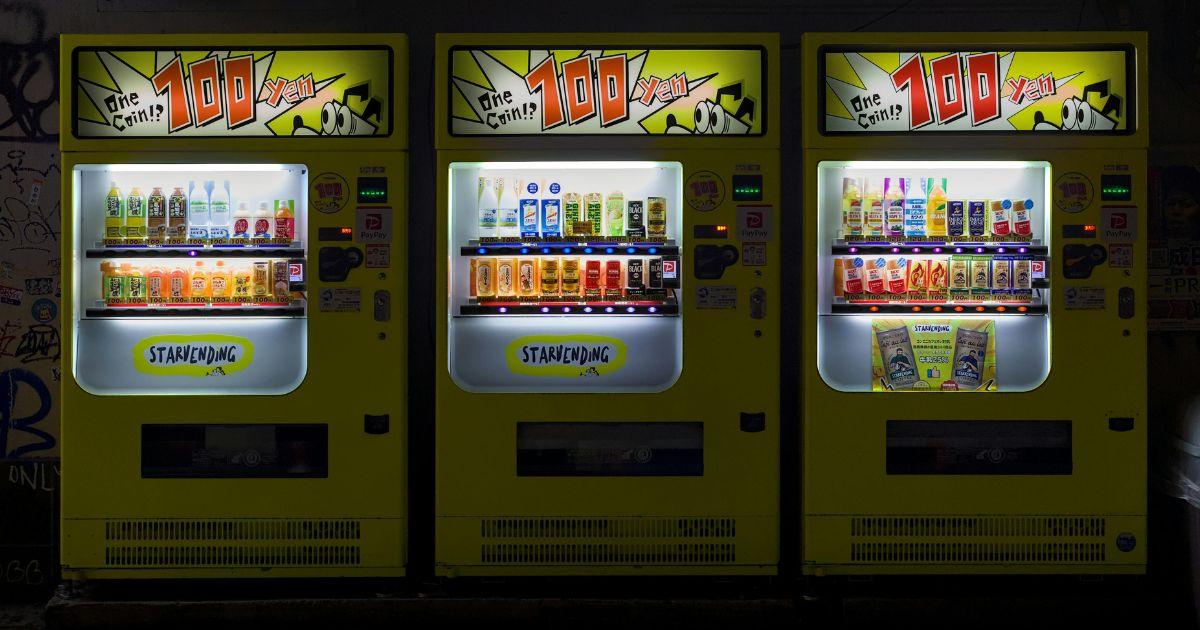
Imagine grabbing a fresh salad at a train station, purchasing a premium coffee in an office lobby, or buying a healthy snack at midnight without interacting with a cashier. Across Europe, vending machines are evolving from simple snack dispensers into sophisticated retail platforms powered by digital technology, artificial intelligence, and cashless payments.
Once associated primarily with candy bars and soft drinks, modern vending machines now offer everything from gourmet meals and specialty beverages to electronics, personal care products, and healthcare essentials. Equipped with touchscreens, remote monitoring systems, IoT connectivity, and contactless payment options, these machines are redefining convenience for millions of consumers.
According to Renub Research, the Europe Vending Machine Market is expected to grow from US$ 23.08 billion in 2025 to US$ 34.63 billion by 2034, expanding at a compound annual growth rate (CAGR) of 4.61% from 2026 to 2034. This steady growth reflects changing consumer lifestyles, rapid technological advancement, and increasing demand for automated retail solutions across the continent.
The Evolution of Vending Machines
Vending machines have come a long way from their traditional role as coin-operated snack dispensers.
Modern vending systems function as miniature retail stores capable of operating twenty-four hours a day without requiring on-site staff. Advanced technologies now enable these machines to provide a seamless shopping experience through:
- Touchscreen interfaces
- Cashless payment systems
- Real-time inventory monitoring
- Mobile app integration
- Artificial intelligence analytics
- Remote machine management
This evolution has transformed vending machines into efficient retail solutions for businesses, institutions, and public spaces.
Consumers increasingly value convenience, speed, and accessibility, making automated retail an attractive alternative to conventional stores.
Why Convenience Is Driving Market Growth
One of the biggest factors fueling the growth of Europe's vending machine market is the increasing demand for convenience.
Modern lifestyles leave many consumers with limited time to visit traditional stores during regular operating hours. Busy work schedules, urban commuting, and growing mobility have created strong demand for instant access to food, beverages, and essential products.
Vending machines provide:
- Twenty-four-hour availability
- Quick transactions
- Strategic accessibility
- Reduced waiting times
- Contactless purchasing experiences
Whether located in airports, railway stations, hospitals, universities, or office buildings, vending machines help consumers access products exactly when they need them.
As urban populations continue growing throughout Europe, convenience-based retail models are expected to become even more important.
The Rise of Smart Vending Machines
Technology is fundamentally reshaping the vending industry.
Smart vending machines represent the next generation of automated retail systems, offering capabilities that extend far beyond traditional vending operations.
These advanced machines include:
- Internet of Things (IoT) connectivity
- Cloud-based management systems
- Digital advertising displays
- Real-time inventory tracking
- Personalized recommendations
- Remote diagnostics
Operators can monitor machine performance, track inventory levels, and schedule replenishment automatically.
Consumers benefit from improved product availability, faster transactions, and more personalized shopping experiences.
Smart vending machines are increasingly being viewed as micro-retail hubs capable of delivering convenience while generating valuable consumer insights.
Cashless Payments Are Transforming Customer Experiences
The widespread adoption of cashless payment technologies has become a major catalyst for market expansion.
European consumers increasingly prefer payment methods such as:
- Credit cards
- Debit cards
- Mobile wallets
- Contactless payments
- QR code transactions
Cashless vending machines offer several advantages:
- Faster transaction times
- Improved hygiene
- Enhanced security
- Reduced cash handling costs
- Better customer convenience
The popularity of contactless payments accelerated significantly in recent years, encouraging operators to modernize existing vending infrastructure.
As digital payment ecosystems continue expanding throughout Europe, cashless vending is expected to become the dominant transaction model.
Healthier Product Choices Are Expanding Demand
Consumer preferences are changing rapidly.
Today's consumers are more health-conscious than ever, creating demand for vending machines that offer nutritious alternatives to traditional snacks.
Modern vending machines increasingly stock:
- Fresh fruit
- Salads
- Protein bars
- Low-sugar beverages
- Healthy meal options
- Premium coffee products
This shift has broadened the appeal of vending machines among health-focused consumers.
Employers, educational institutions, and healthcare facilities are particularly interested in promoting healthier eating habits through improved vending options.
By diversifying product offerings, operators can attract wider audiences and increase overall sales.
Vending Machines Are Moving Beyond Food and Beverages
One of the most interesting developments in the industry is the expansion into non-food categories.
Vending machines are increasingly being used to distribute:
- Electronics
- Personal care items
- Medical supplies
- Travel essentials
- Beauty products
- Lifestyle accessories
This diversification allows operators to target niche markets and maximize revenue opportunities.
Automated retail solutions are proving especially valuable in locations where traditional retail space may be limited or expensive.
As technology improves, the range of products available through vending machines is expected to continue expanding.
The Impact of IoT and Data Analytics
The integration of IoT technology has revolutionized vending machine management.
Connected machines generate valuable data regarding:
- Consumer purchasing behavior
- Product performance
- Inventory levels
- Peak purchasing times
- Maintenance requirements
Operators can analyze this information to optimize product selection, improve machine placement, and reduce operational costs.
Predictive maintenance capabilities help minimize downtime by identifying potential issues before equipment failures occur.
Data-driven decision-making is helping vending operators improve efficiency while delivering better customer experiences.
Challenges Facing the European Vending Industry
Despite strong growth potential, the industry faces several challenges.
High Initial Investment Costs
Smart vending machines require substantial upfront investments.
Costs include:
- Equipment purchases
- Software systems
- Connectivity infrastructure
- Maintenance services
- Technical support
For smaller operators, these expenses can create barriers to entry.
Ongoing maintenance and repair requirements further increase operational costs.
Regulatory Compliance
Operating vending machines across Europe involves navigating complex regulatory environments.
Requirements vary by country and may include regulations related to:
- Food safety
- Product labeling
- Nutritional disclosures
- Hygiene standards
- Temperature controls
Compliance becomes particularly important for operators offering fresh and perishable food items.
Managing these regulatory obligations requires careful planning and operational oversight.
Smart Vending Machines Are Leading the Future
Among all market segments, smart vending machines are expected to experience particularly strong growth.
Consumers increasingly expect:
- Personalized experiences
- Digital interactions
- Real-time product availability
- Seamless payments
Smart machines address these expectations while providing operators with greater operational control.
Features such as dynamic pricing, targeted advertising, and personalized recommendations create new revenue opportunities beyond product sales alone.
As Europe's digital infrastructure continues advancing, smart vending adoption is likely to accelerate significantly.
Public Spaces Remain Key Growth Locations
Public places represent one of the largest application segments within the vending machine market.
High-traffic locations include:
- Airports
- Train stations
- Bus terminals
- Shopping centers
- Hospitals
- Tourist attractions
Consumers in these environments prioritize speed and convenience.
Modern vending machines provide instant access to products without requiring interaction with retail staff.
The growing mobility of European consumers ensures continued demand for vending solutions in public locations.
Office Vending Is Evolving
Workplace vending remains an important market segment throughout Europe.
Employers increasingly recognize the value of providing convenient access to food and beverages within office environments.
Benefits include:
- Improved employee satisfaction
- Enhanced workplace productivity
- Reduced break-time disruptions
- Healthier food options
Advanced office vending systems can even tailor product selections based on employee preferences.
As hybrid work models continue evolving, flexible vending solutions remain attractive for businesses seeking scalable workplace amenities.
Country Spotlight: France
France's vending machine market benefits from strong coffee culture and dense urban populations.
Consumers increasingly demand:
- Premium coffee
- Fresh meals
- Healthy snacks
- Cashless transactions
Operators are responding by modernizing vending fleets and diversifying product assortments.
Sustainability initiatives, including recyclable packaging and energy-efficient machines, are also gaining importance.
Country Spotlight: Germany
Germany remains one of Europe's most technologically advanced vending markets.
Strong industrial infrastructure, a large office workforce, and emphasis on operational efficiency support continued market growth.
German operators increasingly utilize:
- Remote monitoring systems
- Data analytics
- Smart inventory management
- Cashless payment technologies
The country's focus on automation makes it a key market for vending innovation.
Country Spotlight: United Kingdom
The United Kingdom has embraced cashless and contactless vending solutions faster than many European markets.
Demand is growing for:
- Healthy snacks
- Fresh food
- Specialty coffee
- Sustainable vending solutions
Businesses are investing in energy-efficient machines and environmentally responsible packaging to align with evolving consumer expectations.
Sustainability Is Becoming a Competitive Advantage
Environmental responsibility is becoming a major consideration for vending operators.
Key sustainability trends include:
- Energy-efficient machines
- Reduced plastic usage
- Recyclable packaging
- Eco-friendly refrigeration systems
- Waste reduction initiatives
Consumers increasingly support brands that demonstrate environmental commitment.
As sustainability regulations become more stringent across Europe, eco-friendly vending solutions will likely become standard industry practice.
Community Discussion
Have you noticed how vending machines have changed over the past few years?
Do you prefer traditional vending machines, or are smart machines with touchscreen interfaces and cashless payment options more appealing?
What products would you like to see available in future vending machines? Share your thoughts and experiences with the community.
Final Thoughts
The European vending machine market is undergoing a significant transformation. What was once a simple convenience service is now evolving into a sophisticated automated retail ecosystem powered by smart technology, cashless payments, data analytics, and diverse product offerings.
With Renub Research forecasting growth from US$ 23.08 billion in 2025 to US$ 34.63 billion by 2034, the market's future remains highly promising. As consumers continue demanding faster, safer, and more convenient purchasing experiences, vending machines will play an increasingly important role in Europe's retail landscape.
The combination of smart technology, health-conscious offerings, digital payments, and sustainable practices is positioning vending machines as one of the most innovative retail solutions of the modern era. Far from being relics of the past, they are rapidly becoming a glimpse into the future of automated commerce.

 English
 Arabic
 French
 Spanish
 Portuguese
 Turkish
 Dutch
Dutch
 Italiano
 Russian
 Romaian
 Portuguese (Brazil)
 Greek
Greek