


Is a Lab Test at Home Accurate? What You Should Know
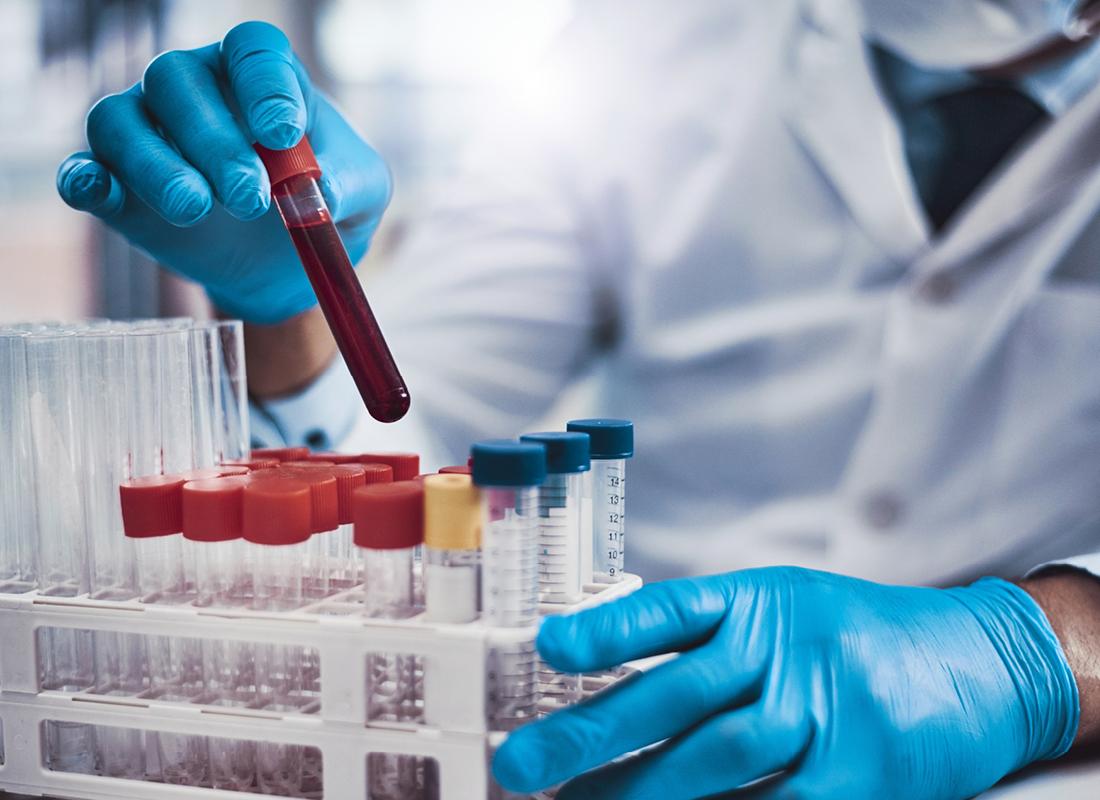
Home healthcare has transformed the way people access medical services, and one of the most popular innovations is the Lab Test at Home in Dubai. Instead of visiting a diagnostic center, patients can schedule professional sample collection at their preferred location and receive reliable laboratory reports without leaving home. As this service becomes more common, one question continues to stand out: Are lab tests at home accurate?
The answer depends on several important factors, including the quality of the laboratory, the expertise of the healthcare professional collecting the sample, proper transportation methods, and adherence to standardized testing protocols. When these standards are followed, home sample collection can provide results that are just as reliable as those obtained at a diagnostic center.
This guide explains how home laboratory testing works, what influences its accuracy, common tests available, preparation tips, and how to choose a trusted diagnostic provider for dependable results.
Why Home Laboratory Testing Is Gaining Trust?
Healthcare is increasingly focused on making essential services more accessible without compromising quality. Home diagnostic services allow patients to complete blood tests and other laboratory investigations in a comfortable environment while maintaining the same professional standards used in accredited laboratories.
Busy professionals, elderly individuals, pregnant women, parents with young children, and patients with chronic conditions often prefer home sample collection because it reduces travel, saves time, and makes routine health monitoring easier.
As diagnostic technology and logistics continue to improve, home laboratory testing has become a reliable option for preventive healthcare and ongoing medical management.
What Determines the Accuracy of a Home Lab Test?
The accuracy of any laboratory test depends on much more than the location where the sample is collected. Home testing follows the same scientific process as in-clinic testing when performed correctly.
Several factors contribute to accurate results.
Qualified Sample Collection:
Certified phlebotomists are trained to collect blood samples using standardized medical procedures. Proper vein selection, sterile techniques, and correct handling help ensure high-quality specimens.
Accredited Laboratory Standards:
Once collected, samples are processed in accredited laboratories equipped with modern diagnostic technology. These laboratories follow strict quality assurance measures and standardized operating procedures.
Proper Sample Transportation:
Collected samples must be transported under controlled conditions to preserve their quality. Reliable diagnostic providers use secure packaging and appropriate handling methods to prevent contamination or deterioration.
Patient Preparation:
Accurate laboratory results also depend on following preparation instructions, such as fasting requirements, hydration recommendations, and medication guidance when applicable.
When all these factors work together, home-collected samples provide dependable diagnostic information.
How a Lab Test at Home Works?
Understanding the complete process can help build confidence in home diagnostic services.
Booking Your Test:
Choose the required blood test or health package and schedule an appointment at a convenient time.
Receiving Instructions:
The laboratory provides preparation guidelines, including fasting requirements if needed.
Sample Collection:
A trained healthcare professional visits your home with sterile, single-use equipment and collects the required sample.
Safe Transportation:
The specimen is carefully labeled and transported according to laboratory protocols.
Laboratory Analysis:
Qualified technicians analyze the sample using advanced diagnostic equipment and internal quality control procedures.
Digital Report Delivery:
After verification, your laboratory report is shared securely through email, a patient portal, or a mobile application.
Each stage is designed to maintain sample integrity and ensure reliable results.
Common Laboratory Tests Available at Home:
Home sample collection supports a wide variety of diagnostic investigations.
Frequently requested tests include:
-
Complete Blood Count (CBC)
-
Blood Sugar Test
-
HbA1c
-
Lipid Profile
-
Liver Function Test
-
Kidney Function Test
-
Thyroid Profile
-
Vitamin D Test
-
Vitamin B12 Test
-
Iron Studies
-
Hormone Profile
-
Uric Acid Test
-
Electrolyte Panel
-
Allergy Testing
-
Infection Screening
-
Preventive Health Checkup Packages
Most routine blood tests can be completed without visiting a clinic.
Myths About Home Laboratory Testing:
As home healthcare becomes more popular, several misconceptions continue to circulate.
Myth: Home Tests Are Less Accurate
Accredited laboratories use the same testing equipment and quality standards for home-collected samples as they do for samples collected at diagnostic centers.
Myth: Samples Become Unusable During Transport
Professional laboratories follow established transportation procedures designed to preserve sample quality until analysis begins.
Myth: Home Collection Is Less Safe
Certified healthcare professionals use sterile, disposable equipment while following infection-control protocols that meet professional healthcare standards.
Myth: Only Basic Tests Can Be Done at Home
Today, a wide range of blood tests, preventive health packages, hormone profiles, and chronic disease monitoring tests are available through home sample collection.
Factors That Can Affect Test Results:
Although home testing is reliable, certain situations may influence laboratory results regardless of where the sample is collected.
Examples include:
-
Not following fasting instructions
-
Taking medications without informing the healthcare provider
-
Dehydration before blood collection
-
Intense physical activity before testing
-
Delayed appointment attendance
-
Choosing an unverified laboratory
Following preparation guidelines carefully helps reduce these risks.
How to Improve the Accuracy of Your Home Lab Test?
Patients also play an important role in ensuring reliable results.
Before your appointment:
-
Confirm whether fasting is required.
-
Drink water unless instructed otherwise.
-
Get enough sleep the night before.
-
Inform the technician about prescription medications and supplements.
-
Keep previous medical records available if requested.
-
Wear comfortable clothing that allows easy access to your arm.
These simple preparations support accurate laboratory analysis.
Choosing a Reliable Home Diagnostic Provider:
Not every laboratory offers the same level of quality.
Before booking, consider the following:
Accreditation:
Select a laboratory that follows recognized quality standards and regulatory requirements.
Experienced Professionals:
Ensure that sample collection is performed by trained and certified phlebotomists.
Quality Control:
Reliable laboratories maintain strict quality assurance procedures throughout the testing process.
Transparent Communication:
Choose providers that clearly explain preparation instructions, report timelines, and customer support options.
Secure Digital Reports:
Modern diagnostic providers offer convenient online access to laboratory reports while protecting patient confidentiality.
Frequently Asked Questions:
Are Home Blood Tests as Accurate as Clinic Tests?
Yes. When collected by qualified professionals and processed in accredited laboratories, home blood tests provide the same level of diagnostic accuracy as clinic-collected samples.
How Long Does Home Sample Collection Take?
Most appointments are completed within 15 to 30 minutes, depending on the number of tests requested.
Is Home Sample Collection Hygienic?
Professional healthcare providers use sterile, disposable equipment and follow established infection-control practices during every appointment.
Can Routine Health Checkups Be Completed at Home?
Yes. Many preventive health packages combine multiple laboratory tests into one convenient home visit.
Simple Checklist Before Booking:
To help ensure accurate results:
-
Verify the laboratory's accreditation.
-
Review preparation instructions carefully.
-
Follow fasting requirements if applicable.
-
Stay hydrated unless advised otherwise.
-
Keep identification and prescriptions ready.
-
Inform the technician about medications.
-
Schedule your appointment at a convenient time.
Preparing in advance contributes to a smooth and reliable testing experience.
Final Thoughts:
Home Lab tests has become a trusted part of modern healthcare by combining convenience with professional diagnostic standards. The accuracy of a lab test at home depends on proper sample collection, safe transportation, accredited laboratory analysis, and patient preparation rather than the location where the sample is collected. When these factors are carefully managed, home diagnostic services provide dependable results that support preventive healthcare, chronic disease monitoring, and informed medical decision-making.
By choosing a reputable diagnostic provider, following preparation guidelines, and completing routine health screenings on schedule, you can confidently use home laboratory services as a convenient and reliable way to stay informed about your health without the need to visit a clinic.

 English
 Arabic
 French
 Spanish
 Portuguese
 Deutsch
 Turkish
 Dutch
Dutch
 Italiano
 Romaian
 Portuguese (Brazil)
 Greek
Greek